
Reviewed · COOKING CLASSES
Sabah Traditional Authentic Cuisine Cooking Class 3 Hours
Sabah cooking starts at your host’s kitchen table. This is the first and original Traditional Sabah Cuisine cooking class, taught by true blue local chefs like Auntie Cindy, Auntie Winnie, and Chef Bonny, with stories about food culture and how ingredients got their place on the table.
I especially love the hands-on coaching from local kitchen experts, where you are not just watching, you are cooking step by step. The menu style also feels very Sabah, using fresh ingredients and getting an explanation of the cooking style and taste so it makes sense, not just memorized. The one thing I’d flag is that hotel pickup is included only from downtown Kota Kinabalu, so if you are staying farther out you may need extra transport planning.
In This Review
- Key highlights at a glance
- Why This Sabah Cooking Class Feels More Like a Real Kitchen
- Entering The Kitchen In Kota Kinabalu, Pickup And Setup
- What Happens From 10:00 To 13:00, Step By Step
- 1) Welcome and ingredient context
- 2) Cooking prep, then station cooking
- 3) Sabah flavors you may recognize, and some you might not
- 4) Taste test and lunch from your own work
- Quick tip before you go
- The Chefs And Why Their Teaching Style Matters
- Lunch, Recipes To Keep, And What You Can Take Home
- Price And Value: What $50 Really Buys You
- Dietary Needs And Communication Options
- The Small Practical Limits To Know Before You Book
- Who This Cooking Class Is Best For
- Should You Book It?
- FAQ
- How long is the Sabah Traditional Authentic Cuisine cooking class?
- Is hotel pickup included?
- Which dietary options can you accommodate?
- Do I get a recipe copy to take home?
- Is the cooking class indoors, or can it be done outside or at night?
- Is the experience wheelchair accessible?
- Is there free cancellation, and can I pay later?
Key highlights at a glance
- First and original Traditional Sabah Cuisine class, now with a growing Master Chef program
- Local instructors like Auntie Cindy, Auntie Winnie, and Chef Bonny, with ingredient stories and food culture context
- Fresh ingredients are prepared for you, so the class time stays focused on cooking
- 3 hours indoors (10:00 to 13:00) with lunch at the end using what you cook
- Recipe copy to keep, plus dietary adjustments if you notify ahead
Why This Sabah Cooking Class Feels More Like a Real Kitchen
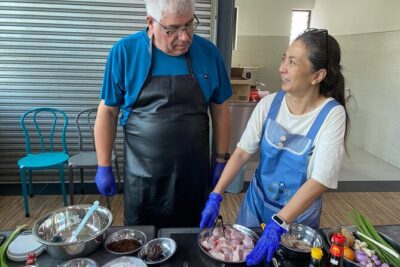
A cooking class can be two things: a performance, or a lesson. This one leans hard toward lesson mode. You spend the morning cooking Sabah dishes with local chef instructors and hands-on guidance, plus you get the background behind ingredients and cooking styles so you can recreate flavors later at home.
The experience also has that “original” credibility. The operator positions this Traditional Sabah Cuisine class as the first and original version, and they’ve been running a related Master Chef program for about a year, drawing participants from places like Singapore, Australia, Germany, the UK, Belgium, the Netherlands, the USA, Taiwan, Japan, and more. For you, that matters because it suggests the format is repeatable and refined, not random trial and error.
More Cooking Classes in Kota Kinabalu:
- Penang Cooking Class:Dive into Malaysian Cuisine with PenangChiak
★ 5.0 · 149 reviews - Chef Samuel’s Private Malaysian Cooking Class with Wet Market Tour
★ 5.0 · 92 reviews - LaZat Malaysian Cooking Class
★ 5.0 · 87 reviews
Entering The Kitchen In Kota Kinabalu, Pickup And Setup
Most sessions run 3 hours, typically 10:00 to 13:00, and they are primarily indoors. In practice, that indoors part can still feel human and local, because the cooking is guided from a home-style setup rather than a sterile classroom. If you like seeing where food happens, that’s a big part of the appeal.
Transport matters, so here’s the practical bit. Pickup is included only from hotels in Downtown Kota Kinabalu. If your hotel is outside that zone, plan on making your own way in or confirm what help is available. This is the main logistical catch.
Also note what you do and don’t carry mentally:
- The class focuses on ingredients being prepared in advance, meaning you are not spending your time shopping or prepping endlessly before you cook.
- The session is designed to end with you eating what you cook.
- Utensils and crockery are listed as not included, so it’s worth checking how the kitchen setup will work when you arrive (many cooking classes use their own tools, but you should not assume).
What Happens From 10:00 To 13:00, Step By Step
You can think of the class as a steady flow from explanation to action to lunch. While every instructor may pace it slightly, the structure is consistently hands-on.
1) Welcome and ingredient context
You start with a guided introduction to Sabah cooking, including history, culture, ingredient choice, cooking style, and taste. This is more than trivia. It changes how you season and handle flavors, especially with aromatics and local ingredients that behave differently than what many people are used to.
A different sort of day out in Malaysia:
- 2D1N Mount Kinabalu Climbing
★ 5.0 · 494 reviews - Bongawan River Cruise: Proboscis Monkey & Fireflies Mangrove
★ 4.8 · 437 reviews - Guided Snorkeling Day Trip, Kota Kinabalu, Sabah, Malaysia
★ 5.0 · 282 reviews - Kota Kinabalu: Mari Mari Cultural Village Tour with Lunch
★ 5.0 · 152 reviews
2) Cooking prep, then station cooking
Next comes the part you will remember: learning by doing. Ingredients are prepared for the workshop, and the focus stays on your cooking. You are taught step by step and you follow the kitchen rhythm the instructors use, so you learn technique, not just a recipe list.
3) Sabah flavors you may recognize, and some you might not
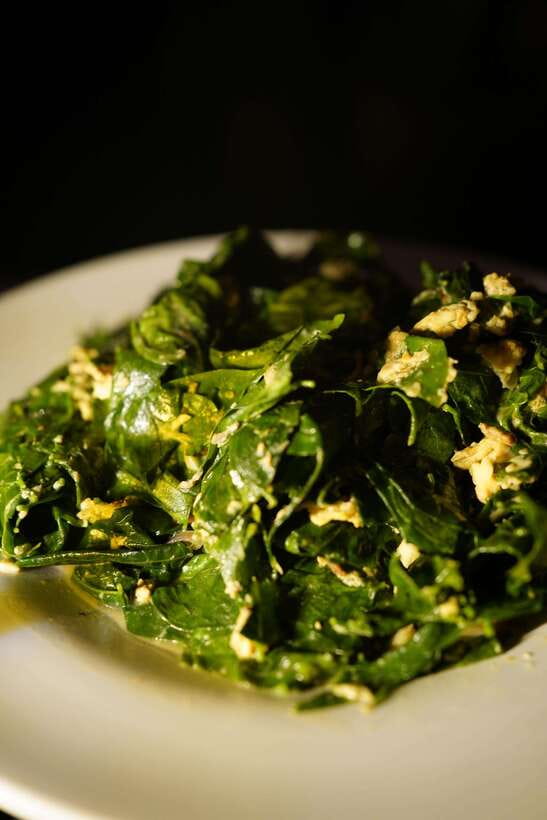
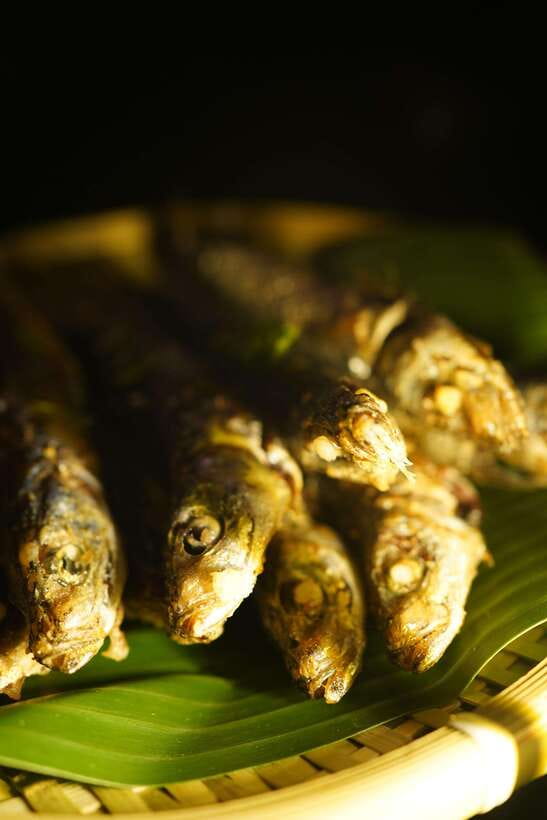
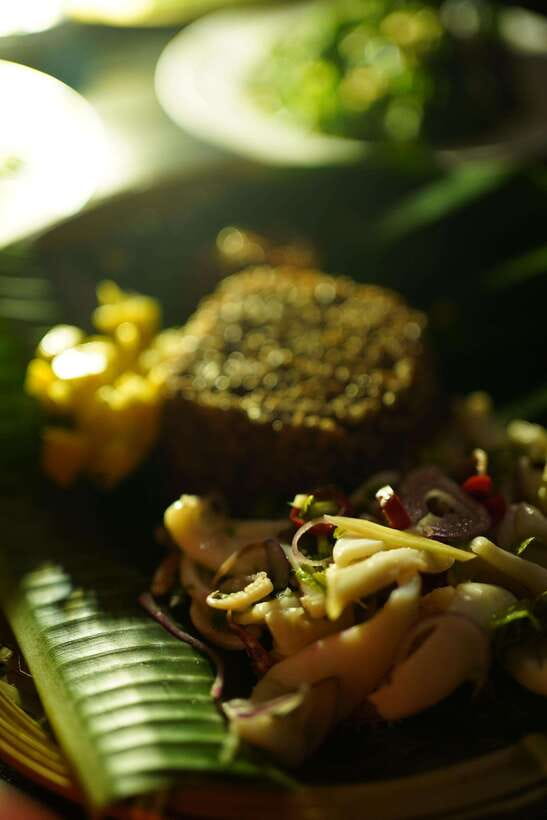
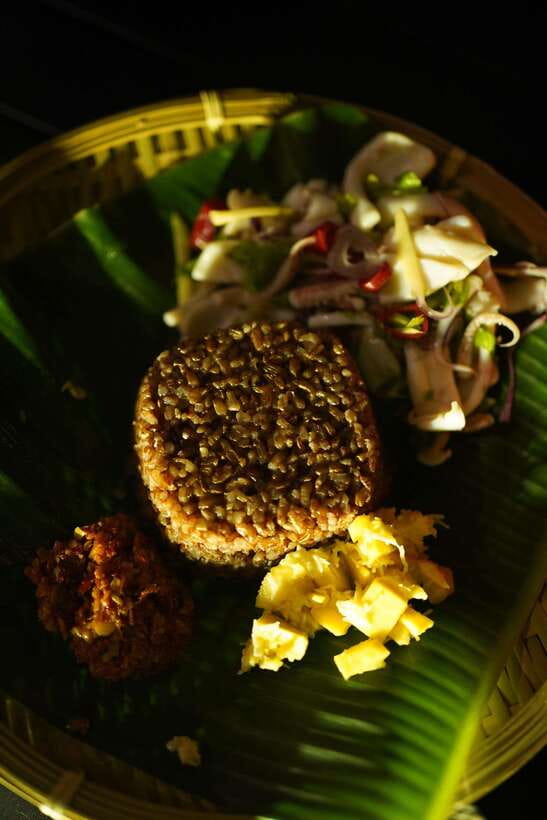
In recent sessions, ingredients highlighted include items like bunga kantan, lemongrass, and jungle garlic, plus dishes featuring fish and vegetables. Even if your exact meal differs, you can expect plenty of Sabah-leaning flavors and fresh aromatics, with explanations of what each component contributes.
4) Taste test and lunch from your own work
Once you finish cooking, you get to savor your own dishes for lunch. This is a key value moment. A lot of classes end with you packing food away and leaving. Here, the emphasis is you taste what you made, while it’s still warm, and you can connect the final flavor to the steps you just performed.
Quick tip before you go
Come hungry, but not too hungry. One practical piece of advice from someone’s experience: skip pizza for the few hours beforehand, because the class lunch is part of the point, and you’ll want your appetite for it.
The Chefs And Why Their Teaching Style Matters
One of the most praised strengths is the quality of the instructors. Whether it is Auntie Cindy, Auntie Winnie, or Chef Bonny, the class is presented as taught by true blue locals with deep food knowledge, including how dishes fit into Sabah food culture.
There’s also a warm, family-kitchen feel reported in multiple experiences. In some sessions, the learning includes assistance from other family members or helpers, and that creates a calmer pace. It’s not rushed, and it often feels like you are being guided into a real cooking rhythm rather than pushed through steps.
You will likely hear ingredient anecdotes as you cook, which helps the food stick in your head. Instead of only remembering measurements, you remember why that ingredient shows up in the dish and what flavor role it plays.
Lunch, Recipes To Keep, And What You Can Take Home
Lunch is not an add-on here. It’s part of the teaching arc. You cook, then you eat your own results at the location. That lets you learn in a very direct way: if something tastes off, you can usually connect it to the step you just did.
You also get a copy of the recipes to keep. That’s a practical souvenir, especially if you want to repeat the dishes after your Sabah trip. Since the class includes explanations of history, culture, ingredient, cooking style, and taste, the recipe card becomes easier to use because you understand the logic behind the flavor.
The class information also states you can either take your cooking results home or consume them at the location. Either way, you leave with more than memories.
Price And Value: What $50 Really Buys You
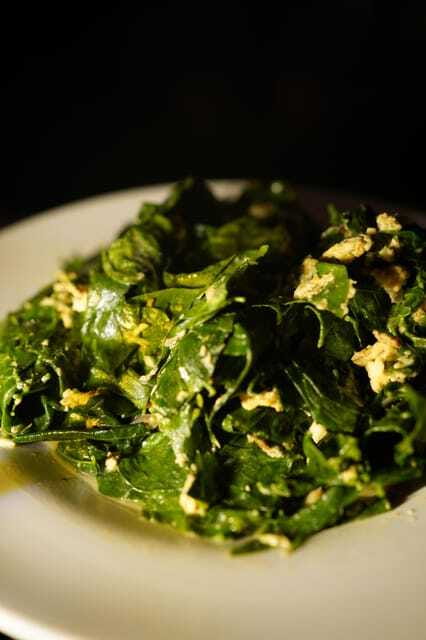
At $50 per person for a 3-hour session, you are paying for four things that travel food lovers usually care about most:
1) Guided cooking instruction from local chefs
2) Ingredients prepared for your session, so your time is protected
3) Lunch from what you cook, not just a small tasting
4) A recipe copy to keep, which improves your odds of recreating the food later
If you compare this to typical cooking experiences, the biggest value driver is that it is not just a tasting tour. You cook multiple dishes during the session and eat them as lunch. That makes the class feel closer to a shared meal with expert guidance.
There is also a note about a discount running for a limited period. That matters because the value improves if you can book during the promotional window.
Dietary Needs And Communication Options
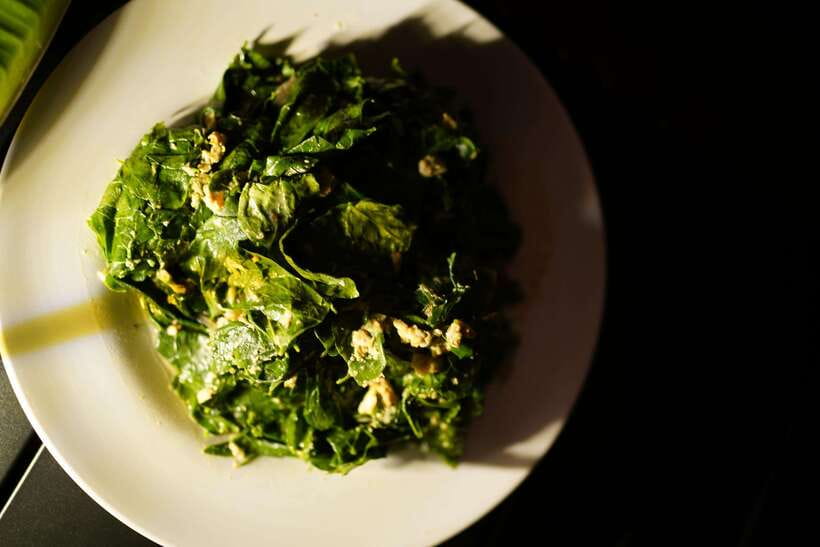
Food restrictions are not treated like an afterthought. The class says they can cater for Vegetarian, no pork, gluten free, and other diets if you let them know ahead of time. For you, that’s important because Sabah cooking often uses pork in some dishes, and sauces can include gluten depending on ingredients.
Language support is also a plus. The instructor team can work in English, Malay, Chinese, and Traditional Chinese. That gives you a good chance of understanding the ingredient explanations, especially when you are learning new techniques.
The Small Practical Limits To Know Before You Book
This is where I keep it real.
Pickup zone limits: Pickup is included only from hotels in Downtown Kota Kinabalu. If you are staying elsewhere, you may need alternative transport.
Utensils and crockery listed as not included: It may still be provided on site, but it is explicitly listed as not included, so confirm what you will use once you arrive. If you have strong preferences or you are very particular about how you handle dishes, ask ahead.
Mostly indoor session: The class is primarily indoors, though the operator says special arrangements can be made for night classes or outdoor/campsite sessions. If you want maximum garden and porch time, ask about what is possible for your date.
Who This Cooking Class Is Best For
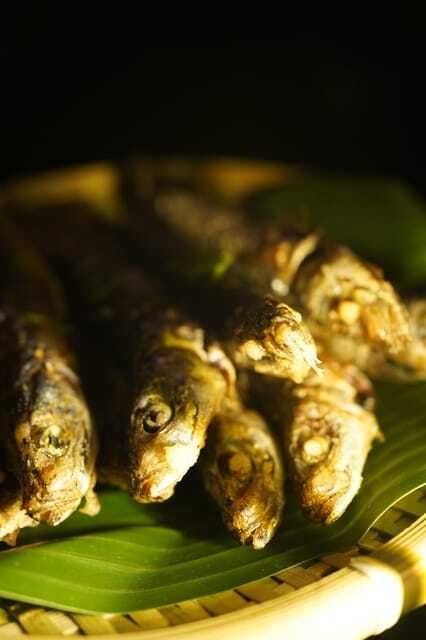
This class is a strong match if you:
- Want a more authentic Sabah food experience than a casual restaurant meal
- Like cooking with fresh ingredients and getting the story behind flavors
- Prefer a smaller, human-scale setup over a large demo show
- Enjoy learning from warm local chefs with practical instruction
It is also a good choice if you are on a tighter schedule in Kota Kinabalu, because the session is 3 hours and ends with lunch.
Should You Book It?
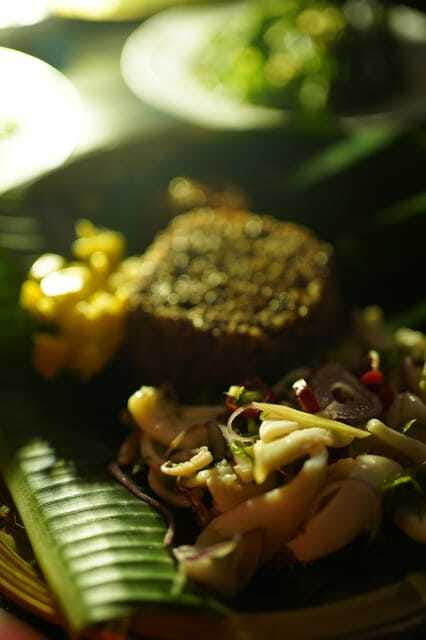
I’d say book it if you want more than a food photo. This class is built around actual cooking, clear ingredient explanations, and lunch that you make yourself. The local chef lineup, especially names like Auntie Cindy and Auntie Winnie, is a big reason this feels personal rather than generic.
Book it with one caveat: confirm whether your hotel is within the Downtown Kota Kinabalu pickup area, and ask how your class will be staged if you are hoping for more outdoor time. If those practical points line up, $50 for 3 hours of hands-on Sabah cuisine plus lunch and recipe cards is very solid value.
FAQ
How long is the Sabah Traditional Authentic Cuisine cooking class?
The class duration is 3 hours, typically running from 10:00am to 1:00pm.
Is hotel pickup included?
Yes. Free pickup is included from hotels in Downtown Kota Kinabalu only.
Which dietary options can you accommodate?
The class can cater for vegetarian, no pork, gluten free, and other diets as long as you let the team know beforehand.
Do I get a recipe copy to take home?
Yes. Participants receive a copy of the recipes to keep.
Is the cooking class indoors, or can it be done outside or at night?
The session is primarily conducted indoors, but special arrangements can be made for night classes or outdoor/campsite sessions.
Is the experience wheelchair accessible?
Yes, the activity is wheelchair accessible.
Is there free cancellation, and can I pay later?
There is free cancellation up to 24 hours in advance for a full refund. It also offers reserve now and pay later, so you can book your spot and pay nothing today.
Just published around Kota Kinabalu
- Sabah: White Water Rafting Grade 3-4 at Padas River★ 4.7 · 3 reviews
- Full-Day Sepilok Orangutan and Sandakan City Trail from Kota Kinabalu★ 4.0 · 6 reviews
- Island Hopping ( Manukan & Sapi Island ) From Kota Kinabalu★ 4.5 · 9 reviews
- Top of the World – Sunrise Leisure Hike St. Veronica Hill★ 5.0 · 8 reviews
- Sunset E-Foil Experience in Tanjung Aru Beach★ 5.0 · 10 reviews
- Padas River White Water Rafting from Kota Kinabalu (Grade 3 & 4)★ 3.5 · 4 reviews
- Monsopiad Cultural Village Visit with Private Transfer from Kota Kinabalu★ 4.5 · 5 reviews
- Mangrove Kayaking Experience in Borneo★ 5.0 · 8 reviews
Cooking Classes, compared.
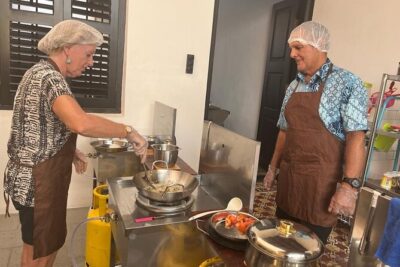
Penang Cooking Class:Dive into Malaysian Cuisine with PenangChiak
Read our review →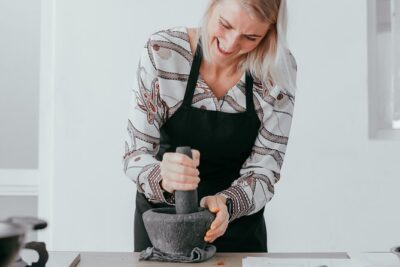
Chef Samuel’s Private Malaysian Cooking Class with Wet Market Tour
Read our review →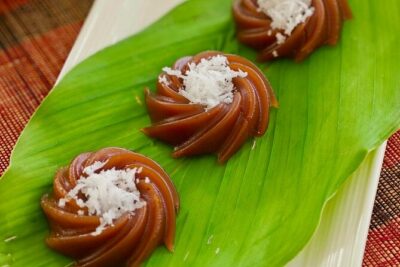
New Malaysian Kitchen Cooking Class and Garden Tour
Read our review →
Market Visit & Private Hands-on Cooking Class at Daun Senja
Read our review →
Malay Culinary Journey Cooking Class for the Adventurous Foodie
Read our review →Browse the lists this tour appears in