
Reviewed · COOKING CLASSES
Penang Cooking Class:Dive into Malaysian Cuisine with PenangChiak
Chowrasta wakes up before you do. This Penang Chiak morning class pairs a stall-to-stall market walk with hands-on cooking so you learn why Penang flavors work, not just how to copy a recipe. I love the Morning Market Tour with guides like Mok and Simon, and I love that ingredients and kitchen tools are provided so you spend your energy on technique.
One catch to plan for: you start early (market classes are at 8:00 AM) and you will be cooking near active burners, so wear light clothes and come ready to walk around Chowrasta before you start chopping.
In This Review
- Key highlights worth your morning
- Chowrasta Market at 8:00 AM, where Penang cooking starts
- Breakfast that actually prepares you for cooking
- The kitchen lesson: Penang dishes you can recreate at home
- Why the spice instruction matters more than you think
- Spice level can be tailored
- Penang’s mixed culinary identity, explained in real food
- Meet the people behind the meal: Mok, Simon, Amy, and others
- What’s included, and why that changes the kind of class you get
- Price and timing: is $116 worth it for a 4-hour morning class?
- Tips to make your class better (and less stressful)
- Should you book Penang Chiak’s Penang Cooking Class?
- FAQ
- What time does the morning market tour start?
- How long is the cooking class?
- Is pickup available?
- What dishes will we cook?
- What is included in the price?
- Is this a private tour?
- Can I cancel for a full refund?
Key highlights worth your morning
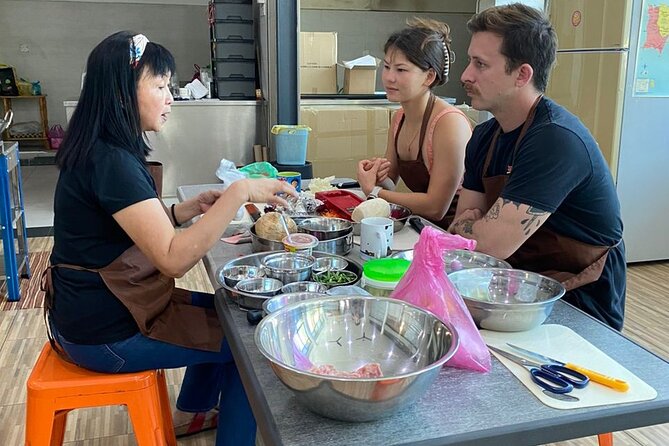
- Chowrasta Market, stall-to-stall shopping, with guidance on what to look for and why ingredients matter
- Morning breakfast included for morning classes, so you eat what you learn (not just watch it)
- Hands-on coaching for Penang dishes, including kueh pie tee, char kway teow, and more
- Spice handling tips that help you control heat and aroma instead of just following a formula
- Private-only group format, so questions do not get lost in the shuffle
Chowrasta Market at 8:00 AM, where Penang cooking starts
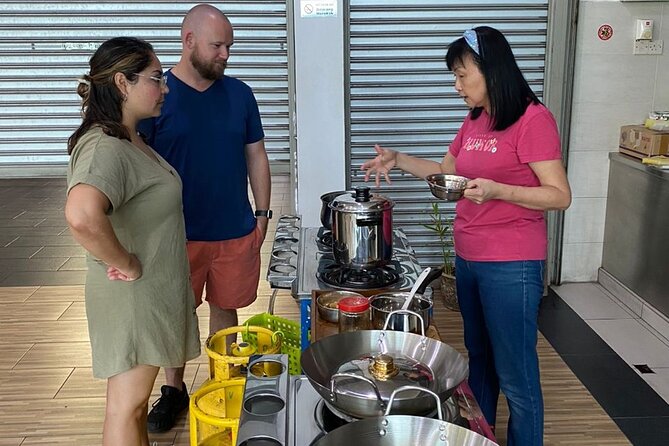
The experience starts at Pasar Chowrasta Market, Lot 124, along Jln Penang in George Town. In practice, the timing matters. A morning market is a place where ingredients are fresh, vendors are in their routine, and you can actually see the shopping process the way locals do it.
What I like here is that you are not just passing by food. You are being taught how to choose. Your guide points things out as you walk, from produce and pantry items to spice stalls where aromas hit you before you even read the label. This is also where you start learning the logic behind Penang cooking: sweetness versus heat, toasted spice versus fresh aromatics, and why the same dish name can taste different depending on the ingredients used.
You might also catch a side of Penang culture that is hard to get from a restaurant menu. Guides like Mok and Simon are known for answering food questions in a broader way, including how different communities in Penang approach flavors and meals. Even if your goal is strictly food, that context helps you understand why your dish turns out a certain way later in the kitchen.
Practical tip: bring comfy shoes. Chowrasta is a market. You will walk, reach, and pause often. If you plan to take photos, do it with your eyes first. The best way to learn is to smell and watch, then snap a quick picture for later.
More Cooking Classes in Penang Island:
- Chef Samuel’s Private Malaysian Cooking Class with Wet Market Tour
★ 5.0 · 92 reviews - Malay Culinary Journey Cooking Class for the Adventurous Foodie
★ 5.0 · 11 reviews - LaZat Malaysian Cooking Class
★ 5.0 · 87 reviews
Breakfast that actually prepares you for cooking
After the market walk, the morning format includes breakfast. The class is designed so you do not arrive in the kitchen with an empty stomach and a vague idea of what you are making.
From the way this class is described, the breakfast is meant to connect the dots. You taste Penang morning foods, then you move into kitchen coaching with that flavor memory fresh in your head. In similar morning classes offered by Penang Chiak, people have mentioned things like Penang white coffee and street snacks, plus drinks like sweetened chrysanthemum tea in some sessions. Your exact plate can vary by what is available and what the class is focused on, but the point stays the same: you eat early, and you taste with purpose.
If you are the type who hates surprises, you might worry that the breakfast is random. I would treat it as part of the learning. You are not paying to sit down for breakfast somewhere generic. You are paying to understand why the market choices become breakfast bites and then, later, full dishes.
Small consideration: breakfast included is a morning-class perk. If you care about this part, make sure your schedule matches a morning start.
The kitchen lesson: Penang dishes you can recreate at home
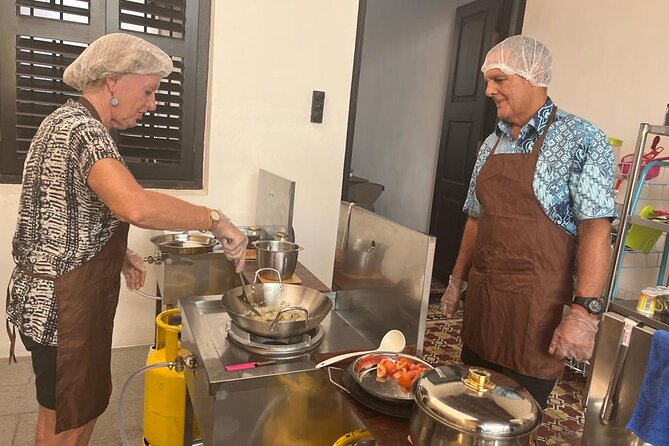
The cooking portion is where the value really shows. This is not a passive demonstration where you only watch. It is a coaching class with hands-on participation, and you are working with utensils and ingredients that are already lined up for you.
The dishes you prepare can include classics like:
- Kueh Pie Tee
- Char Kway Teow
- Choon Piah
- Masala Chicken
- and other Penang items, depending on the session
Even if you already cook at home, this is still useful because Penang food is built on technique. In these classes, you get specific guidance on how to handle spices. The difference between a good dish and an average one is often not the recipe name, it is how you treat aromatics and spices at the right moment, with the right heat level.
Why the spice instruction matters more than you think
Most home cooks follow steps like add onion, add garlic, add spice. Penang cooking is more nuanced. Spice handling can mean blooming spices for aroma, balancing chilli intensity, and timing when flavors hit the pan. If you only copy a list of ingredients, you can still end up with a dish that tastes flat or too harsh.
That is why these sessions emphasize spice technique as an art, not a checklist. It is the kind of advice that sticks, because it changes how you cook later even if you forget exact measurements.
A different sort of day out in Malaysia:
- Penang Hill Funicular Ticket
★ 4.0 · 527 reviews - Penang Plates Food Tour with 15+ Tastings
★ 5.0 · 490 reviews - Guided Tour of Cheong Fatt Tze’s Blue Mansion in George Town
★ 4.5 · 490 reviews - 4-Hour Georgetown Food Tour
★ 5.0 · 263 reviews
Spice level can be tailored
One helpful detail from the class feedback: instructors can adjust recipes to suit you. If you cannot handle too much chilli, tell your chef. You should expect them to work with your comfort level, especially in a smaller, private group.
Penang’s mixed culinary identity, explained in real food
Penang is where cultures overlap on a plate. In this kind of class, you may notice that Nyonya-style cooking and Malay-style cooking can share certain dish names but use different ingredients and flavor strategies. For example, some Chinese and Nyonya versions can include pork lard for richness, while Malay versions avoid pork products due to dietary rules. What that means for you is simple: when you cook at home, you cannot assume every stall version matches every other version.
This class approach helps you understand those differences so your recreated dish tastes like what you learned, not like a random internet version with slightly different fats, aromatics, or spice blends.
Meet the people behind the meal: Mok, Simon, Amy, and others
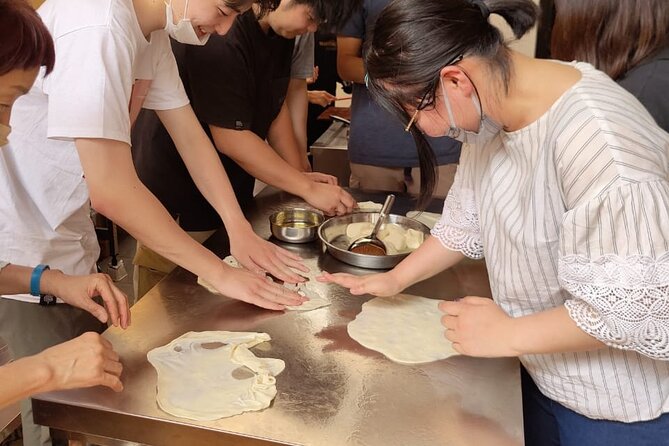
Penang Chiak’s classes are often led by a team of instructors, and you may meet names like Mok, Simon, and Chef Amy during your morning session. Other sessions may be guided by instructors such as Santi or Jenny, depending on the class schedule.
Here is what matters for you: these guides connect food to story, and that makes technique easier to remember. When someone explains not just what to do but why a spice paste or ingredient works, you are more likely to repeat it at home and adjust it with confidence.
Also, because this is listed as a private tour/activity, you are not fighting over space or speaking volume. You can ask questions without feeling like a number on a roster. People have specifically praised how instructors answer cooking and culture questions, and how they stay engaged from the market through the kitchen.
One practical note: the class kitchen may be located inside a shopping center area. That is not a deal-breaker, but it can mean the meeting spot in the building can feel a bit tricky if you arrive late or without someone meeting you outside. If you have trouble with finding places, plan to arrive a few minutes early and keep an eye out for the guide at the market entrance.
What’s included, and why that changes the kind of class you get
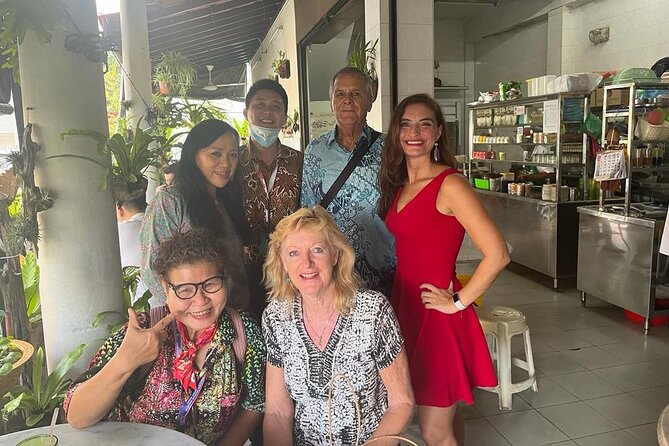
Included in the class:
- Market tour (for morning classes at 8:00 AM only)
- Breakfast (for morning food tour classes only)
- All ingredients and kitchen utensils
Not included:
- Souvenir (subject to availability)
This inclusion list sounds basic, but it impacts your experience more than you might expect. When ingredients and utensils are provided, the class stays focused on cooking technique rather than logistics. You do not need to budget time for ingredient shopping or worry that you are missing the one tiny tool that makes a recipe work.
If you want a class that feels like a guided cooking workshop rather than a self-guided food tour, this format fits.
And based on how people describe the class, it is also fairly functional on-site: there are places to wash hands, and the cooking area is kept clean. You should still bring your own hand wipes or sanitizer if that comforts you, but you likely will not need special gear.
Price and timing: is $116 worth it for a 4-hour morning class?
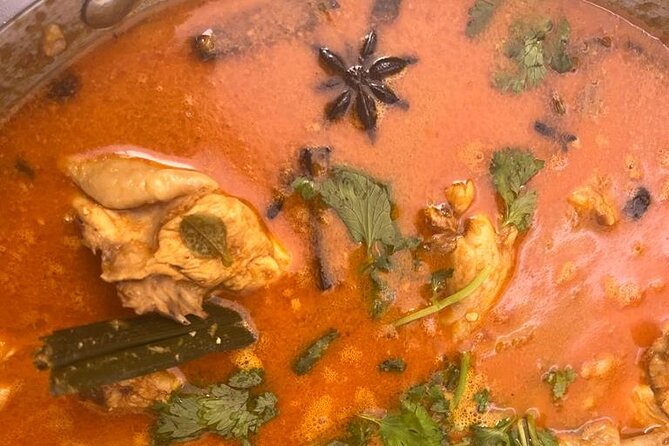
At about $116 for an approximately 4-hour class, you are paying for more than a meal. You are paying for:
- guided market shopping,
- breakfast,
- an instructor-led cooking workshop,
- and all ingredients and utensils.
Is it expensive compared with grabbing street food on your own? Yes. But it is cheaper than many high-end classes that include fewer components. And the market plus cooking combo is what makes this feel like real value.
Timing matters too. The morning class includes the market tour and breakfast, which basically turns your early start into a full learning block. If you are the kind of traveler who loves to know how local food works, that is a good trade. If you hate early mornings and want a slow breakfast later, you might find this style of start frustrating.
My rule: if you will actually cook at home, the cost makes sense. If you only want to eat, you could spend less on hawker meals. But if you want to recreate Penang dishes and understand spice technique, this class gives you the skill plus the flavors.
Tips to make your class better (and less stressful)
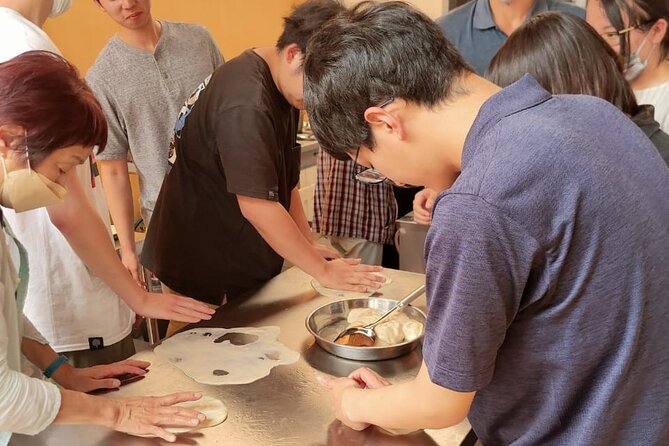
A few things will help you get the most out of your morning, without overthinking it:
- Wear light, loose clothes. Cooking happens near burners, and the room can feel warm.
- Bring a small notebook or use your phone notes. Spice technique and timing are easier to remember if you jot a few cues.
- Tell your instructor your spice comfort level early. You may be able to adjust.
- Ask one deeper question in the market. Something like what ingredient makes the dish taste “Penang-style” can lead to great explanations.
- Eat slowly during breakfast and the market tastings. You are training your palate for what you will cook next.
If you do those things, the class stops being just a fun morning activity. It becomes a repeatable skill set.
Should you book Penang Chiak’s Penang Cooking Class?
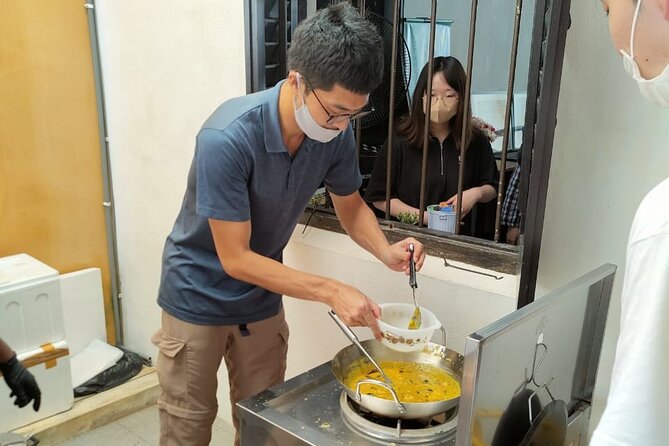
I think this is a smart booking if you want a hands-on food class that explains Penang ingredients and spice technique, not just an edible souvenir. The morning market tour plus breakfast is especially good value for people who like context and want to see where the food starts.
I would think twice if:
- you cannot do an early start (the market portion is at 8:00 AM),
- you are hoping for a quiet, sit-and-watch experience, because this is coaching and hands-on cooking,
- or you mainly want quantity of food, not learning and technique.
If your goal is to leave George Town with a real cooking edge, this class is one of the most practical ways to do it.
FAQ
What time does the morning market tour start?
The morning market tour is for morning classes only, and it runs at 8:00 AM.
How long is the cooking class?
The session is about 4 hours, approximately (the class description also notes 4 to 5 hour sessions).
Is pickup available?
Pickup is offered. You can also start and end at the meeting point, which is Pasar Chowrasta Market Lot 124.
What dishes will we cook?
The class includes Penang dishes such as Kueh Pie Tee, Char Kway Teow, Choon Piah, Masala Chicken, and more, depending on the session.
What is included in the price?
For morning classes, you get the morning market tour, breakfast, plus all ingredients and kitchen utensils.
Is this a private tour?
Yes. It is listed as a private tour/activity, with only your group participating.
Can I cancel for a full refund?
Yes, you can cancel for a full refund if you cancel at least 24 hours in advance of the experience start time. If you cancel less than 24 hours before, the amount paid is not refunded.
Just published around Penang Island
- Private Dinner at THE TOP with Skywalk Experience from Penang★ 3.0 · 3 reviews
- Tower Spa Romance – Only You★ 4.5 · 13 reviews
- Malaysia: Penang Habitat Entry Ticket★ 4.5 · 5 reviews
- Penang City & Temple Tour with Penang Hill(Fast Lane) & Kek Lok Si★ 5.0 · 20 reviews
- Penang’s Night Eat-Venture★ 4.5 · 11 reviews
- Penang Whisky Tasting Masterclass & Specialty Bar Experience★ 5.0 · 6 reviews
- Private George Town by Night with Food Tasting and Trishaw Ride★ 4.0 · 3 reviews
- Penang countryside Balik Pulau Half Day Tour★ 5.0 · 8 reviews
Cooking Classes, compared.
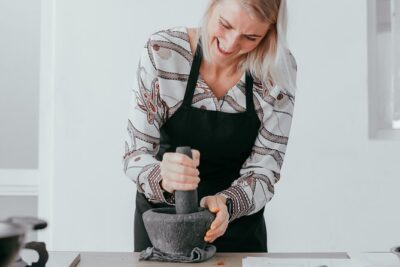
Chef Samuel’s Private Malaysian Cooking Class with Wet Market Tour
Read our review →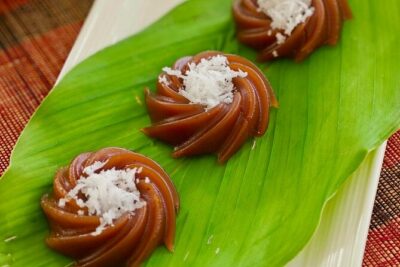
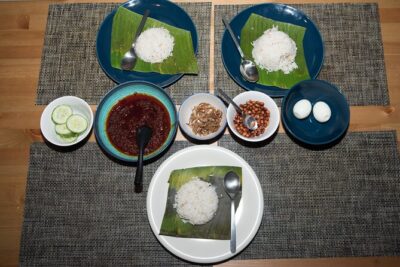
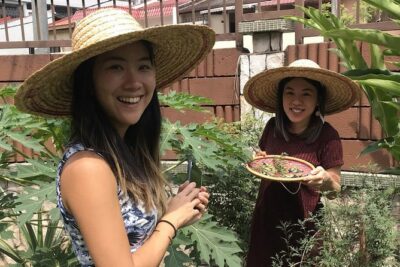
New Malaysian Kitchen Cooking Class and Garden Tour
Read our review →
Market Visit & Private Hands-on Cooking Class at Daun Senja
Read our review →
Sabah Traditional Authentic Cuisine Cooking Class 3 Hours
Read our review →
Malay Culinary Journey Cooking Class for the Adventurous Foodie
Read our review →Browse the lists this tour appears in