
Reviewed · COOKING CLASSES
Malaysia Cooking Classes With Local
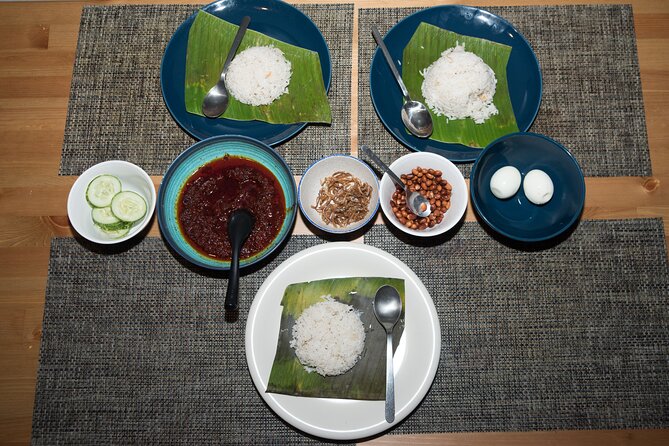
Coconut rice, learned in a home kitchen. This hands-on Nasi Lemak class with Fizah turns a national favorite into something you can actually make at home, with step-by-step guidance and time for questions. I also love the small-group feel and the relaxed, welcoming vibe that makes the whole meal feel personal, not like a rushed demo.
One thing to note: you do not get your own cooking station. You’ll work at a shared setup, so if you’re craving total solo control of the counter, plan to be flexible and enjoy the teamwork energy.
You’ll meet at Awana Puri Condominium in Kuala Lumpur, cook for about 3 hours, then sit down to eat what you made. It’s a private activity, so it’s just your group in Fizah’s home kitchen, with the lesson tailored to your pace and questions.
In This Review
- Key highlights worth planning around
- Stepping into Fizah’s kitchen in Kuala Lumpur
- Who this fits best
- What you’ll cook: Nasi Lemak, sambal, and the classic sides
- Coconut rice that smells like the meal
- Sambal: chili paste, but with control
- The sides that turn rice into a meal
- Hands-on cooking flow, with a shared station setup
- Asking questions, getting feedback, and learning the technique behind the recipe
- Allergy awareness is real here
- The dessert component, because the meal should finish strong
- Eating together and the travel talk you’ll actually use
- Price and value: $59.99 for 3 hours that stick with you
- What makes it feel worth it
- Logistics that matter: where to meet, timing, and who can join
- Should you book this Nasi Lemak cooking class?
- FAQ
- How long is the Nasi Lemak cooking class?
- Where does the class meet in Kuala Lumpur?
- Is this a private class or shared with other groups?
- Is the class suitable for children?
- Do you make only Nasi Lemak?
- Do you get anything to take home?
Key highlights worth planning around
- Nasi Lemak, broken into clear steps: coconut rice, sambal, and the classic sides you build your plate with
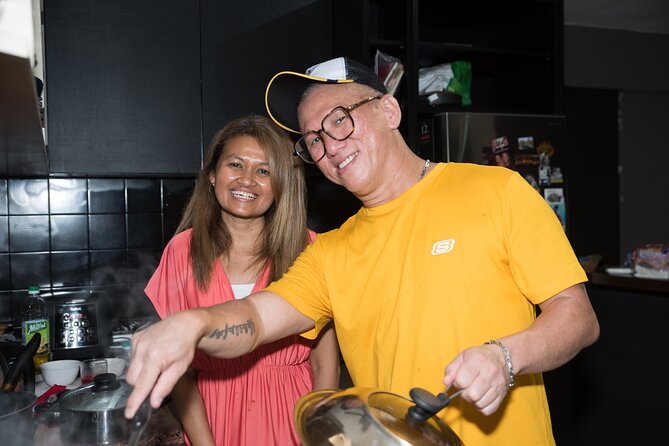
- A home-cooked approach from Fizah: practical technique, plus tips tied to how her mother taught her
- Focused small-group energy: you’re not stuck watching from the sidelines
- Dessert included, so you finish with something sweet and local, not just rice and chili
- Allergy-aware hosting: Fizah pays attention to needs ahead of time, and during the class
- Recipe take-home: you leave with what you need to try again later, not just memories
Stepping into Fizah’s kitchen in Kuala Lumpur
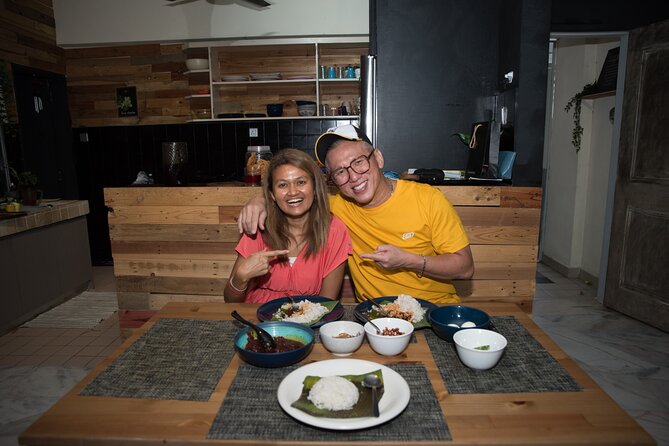
The experience starts in a very normal place, a residential condo in Kuala Lumpur, at Awana Puri Condominium (Jalan 15/119, Taman Mutiara Barat, 56000). That matters more than it sounds. Cooking classes held in glossy studios can feel like a performance. This one feels like a friend is teaching you how her family eats.
When you arrive, expect the tone to be casual and warm. Fizah welcomes you into her home and works at your pace. Many guests highlight how comfortable they felt right away, and how easy it was to follow her instructions. That is not just hospitality fluff. Clear guidance is the difference between going home with a recipe you can use, and a recipe that becomes a sad pile of ingredients in your pantry.
Also, it’s structured like a real class, not a loose food walk. You cook, you ask, you taste, and you adjust. The class runs about 3 hours, and it ends back at the meeting point.
More Cooking Classes in Kuala Lumpur:
- LaZat Malaysian Cooking Class
★ 5.0 · 87 reviews - New Malaysian Kitchen Cooking Class and Garden Tour
★ 5.0 · 54 reviews - Market Visit & Private Hands-on Cooking Class at Daun Senja
★ 5.0 · 51 reviews
Who this fits best
This is best for you if you want hands-on food learning, you like chatting while you cook, and you want a practical souvenir you can use later. It’s also a nice fit for couples and small groups, since the format stays intimate.
What you’ll cook: Nasi Lemak, sambal, and the classic sides
The main event is Nasi Lemak, Malaysia’s beloved dish built around fragrant rice cooked with coconut milk. You’ll learn the key components, not just the final plate.
Coconut rice that smells like the meal
You’ll work on the rice first, since the rice sets the flavor. Coconut milk gives you that signature aroma, and the key is getting the right balance so it tastes rich but not heavy. You’ll learn about ingredient selection and the cooking technique, which is exactly where most home cooks go wrong.
Practical payoff for you: once you understand how the rice should smell and taste at different stages, you’re no longer guessing. That’s how you get consistent results later.
A different sort of day out in Malaysia:
- Private Half-Day Batu Caves and Cutural Tour in Kuala Lumpur
★ 5.0 · 3,107 reviews - Sambal Streets Kuala Lumpur Food Tour with 15+ Tastings
★ 5.0 · 2,438 reviews - Historical Malacca Guided Day Tour (Shared Tour)
★ 5.0 · 2,172 reviews - Kuala Lumpur: Sambal Street Food Tour with 15+ Tastings
★ 4.9 · 1,657 reviews
Sambal: chili paste, but with control
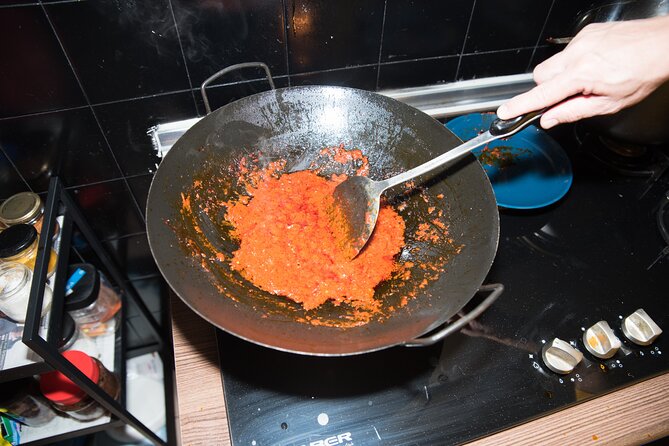
Next comes sambal, the spicy chili paste that makes Nasi Lemak what it is. This is the part where you’ll appreciate the step-by-step format. Many guests call out how doable it felt, even when they were new to Malaysian cooking.
Sambal is not just heat. It’s a flavor mix. If yours comes out too sour, too dull, or just painfully hot, the class teaches you how to adjust as you cook.
The sides that turn rice into a meal
Nasi Lemak isn’t a single dish. It’s a whole plate with textures and salty bites. In this class, you’ll learn accompaniments like peanuts, anchovies, and eggs. You’ll assemble them so you understand how each element contributes.
For you, this is one of the highest value parts. A lot of visitors try Nasi Lemak once and think they get it. Then they try to recreate it and realize the dish depends on those supporting ingredients. Here, you learn the whole structure, so your version feels complete.
Hands-on cooking flow, with a shared station setup
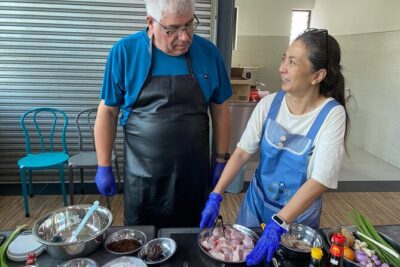
One theme in the feedback is that the class is truly hands-on. You’ll do the prep and cooking, guided step by step.
Here’s the rhythm you can expect:
1) You help cut and prepare ingredients at the stations provided
2) You cook alongside the group, with Fizah directing key steps
3) You taste along the way and can ask questions
4) You plate and then sit down together
A quick caution for your comfort level: you each have a prep station, but you’re not cooking in total isolation. The cooking itself is shared, and the kitchen setup is designed for group flow. If you’re sensitive about space, keep that in mind.
The upside is you’re not stuck in a lecture. While something cooks, you’re free to chat. That’s when a lot of the cultural conversation and practical tips happen.
Asking questions, getting feedback, and learning the technique behind the recipe
One of the most praised parts is how Fizah teaches. Guests repeatedly mention that she makes things easy to follow and gives personalized feedback while you work.
That matters for a couple reasons:
- You can correct small mistakes early, before they ruin the dish
- You learn techniques you can transfer to other Malaysian recipes
- You feel comfortable asking, instead of swallowing questions at the end
Fizah also shares stories and methods passed down through her family. Several guests specifically mention tips connected to how her mother taught her particular steps. That kind of detail is what makes the class feel authentic, not generic.
Allergy awareness is real here
If you have allergies, pay attention to this point. One featured review calls out Fizah being thoughtful about allergies, and guests describe feeling respected and well cared for. That doesn’t mean every ingredient can be safely swapped, but it does suggest you should communicate needs early and you will be taken seriously.
For you, best move is simple: message Fizah when you book with what you need to avoid. Then bring it up again when you arrive. Clear communication plus a calm instructor is the best combo.
The dessert component, because the meal should finish strong
This class includes local dessert along with Nasi Lemak. Guests mention dessert options such as Kuih Gula Melaka and Kuih Ketayap, and they describe the final spread as filling and delicious.
Even if you’re not a big sweet person, the dessert part is valuable because it teaches you how Malaysian sweets fit into the same food culture as the savory dishes. You’re not just learning to cook rice and chili. You’re learning how locals balance the whole meal.
And since you’re already in a kitchen, you get hands-on time instead of watching someone else plate dessert from a distance.
Eating together and the travel talk you’ll actually use
The class ends with you eating your meal together. That might sound like a minor add-on, but it’s a big part of why this works.
When you sit down:
- You taste what you made right in the moment, so you remember what changed flavor
- You can ask follow-up questions based on what you just ate
- You share conversation in a relaxed setting
More than one review mentions meeting Fizah’s husband and getting extra travel tips. Even if you came for the food, you’ll probably leave with ideas for what to do next in Kuala Lumpur.
Also, several guests note Fizah’s home feels relaxed and comfortable, not staged. You’ll likely come away feeling like you shared time with people, not just completed an activity.
Price and value: $59.99 for 3 hours that stick with you
At $59.99 per person, this class is not the cheapest thing in Kuala Lumpur. But it can be good value because you’re paying for three things most tours can’t deliver well:
1) Time with a home cook, not a rushed kitchen staff experience
2) Hands-on learning, including sambal and multiple components, not just one dish
3) A recipe take-home, so you can reproduce the result later
You’re also getting a small-group dynamic and private format, which usually costs more than big group classes. The fact that many people mention how easy it was to replicate after the lesson boosts the value angle. If a class doesn’t change how you cook, it’s just entertainment. Here, the goal is repeatable technique.
What makes it feel worth it
For you, the deal gets better if:
- You plan to cook at home after returning
- You want to understand Malaysian flavor structure, not just eat one plate
- You prefer interaction and questions over standing around
Logistics that matter: where to meet, timing, and who can join
You meet at Awana Puri Condominium in Taman Mutiara Barat, Kuala Lumpur, and the activity ends back at the meeting point. It’s near public transportation, which helps if you do not want to rely entirely on rideshare.
Duration is listed as about 3 hours, and the format is a private tour, meaning only your group participates.
There’s also an age note: no children under 12. If you’re traveling with younger kids, you’ll need to look for another option.
You’ll also receive a confirmation at booking time, and your ticket is mobile. That’s straightforward, but bring your confirmation details just in case.
Should you book this Nasi Lemak cooking class?
If your goal is to learn Malaysian cooking in a way that transfers to your home kitchen, I think you should book it.
Book it if:
- You want hands-on instruction and time to ask questions
- You’re excited about Nasi Lemak as a whole plate, not just rice
- You like small-group experiences in a real home environment
- You care about practical take-home recipes
Skip it if:
- You need a fully private cooking station, one person per counter with no shared workflow
- You want a big, showy production and lots of sightseeing instead of cooking and eating
One last tip from how this experience tends to land: message Fizah about your preferences and needs before you arrive. When hosts prepare for you, the class becomes easier and more fun, and you get better results.
FAQ
How long is the Nasi Lemak cooking class?
The class runs for about 3 hours.
Where does the class meet in Kuala Lumpur?
You start at Awana Puri Condominium, Jalan 15/119, Taman Mutiara Barat, 56000 Kuala Lumpur, Malaysia. The activity ends back at the meeting point.
Is this a private class or shared with other groups?
This is private. Only your group will participate.
Is the class suitable for children?
No children under 12 years old can join.
Do you make only Nasi Lemak?
You’ll learn to cook Nasi Lemak and a local dessert.
Do you get anything to take home?
Yes. You can take home the recipe.
Just published around Kuala Lumpur
- Sunway Lagoon Ticket (One Day Pass)★ 3.5 · 5 reviews
- Kuala Lumpur City & Batu Caves Temple Private Tour★ 4.5 · 3 reviews
- Private Transfer: Kuala Lumpur International Airport to or from Hotel★ 4.5 · 14 reviews
- Private Tour Kuala Lumpur Shore Excursion Include Batu Caves★ 5.0 · 29 reviews
- Private Kuala Lumpur Shore Excursions★ 4.5 · 22 reviews
- Genting SkyWorlds Theme Park Tickets (Optional)★ 5.0 · 5 reviews
- Private Airport Transfer★ 5.0 · 4 reviews
- Private Chauffeur For Meetings, Side Visit, Tours, Airport Transfer, Sightseeing★ 5.0 · 13 reviews
Cooking Classes, compared.
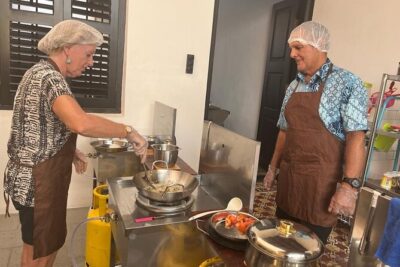
Penang Cooking Class:Dive into Malaysian Cuisine with PenangChiak
Read our review →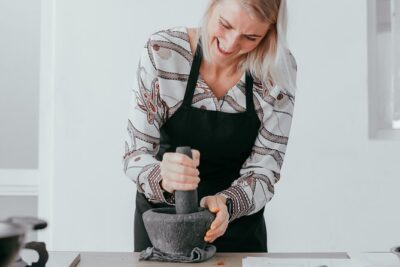
Chef Samuel’s Private Malaysian Cooking Class with Wet Market Tour
Read our review →
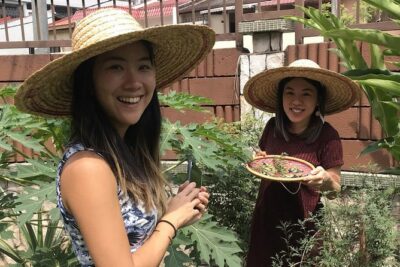
New Malaysian Kitchen Cooking Class and Garden Tour
Read our review →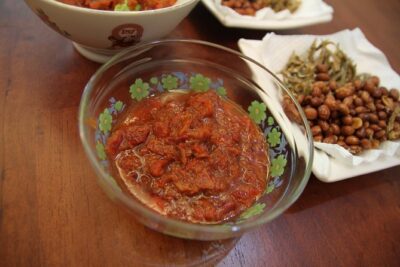
Market Visit & Private Hands-on Cooking Class at Daun Senja
Read our review →
Sabah Traditional Authentic Cuisine Cooking Class 3 Hours
Read our review →
Malay Culinary Journey Cooking Class for the Adventurous Foodie
Read our review →Browse the lists this tour appears in