
Reviewed · CULTURAL VILLAGE TOURS
Mari-Mari Cultural Village Tour Including Lunch
Borneo history comes alive in five tribes. I like the way the Welcome Ceremony sets a respectful tone, and I also love that your lunch and high tea happen inside the village itself, not off-site. The one thing to watch is that it is a shared tour, so you are not getting true private, door-to-door pacing.
You start with a morning pickup (around 9 am), then head into Sabah’s cultural village world where different ethnic groups are shown through house tours, food sampling, and performance. It runs about 5 hours total, with the village experience taking roughly 3 hours, which makes it a good half-day plan even if your schedule in Kota Kinabalu is tight.
In This Review
- Key things to know before you go
- Mari-Mari Cultural Village: what you are really signing up for
- Getting there from Kota Kinabalu: pickup, timing, and comfort
- The cultural welcome and village rules: your first taste of the show
- Walking in: the suspension bridge and the five-tribe layout
- House tour with demo: where the culture becomes concrete
- Food tasting inside the village: lunch and high tea that feel connected
- Cultural show and performance: the payoff after the demos
- Shared tour reality: small group, not private
- Rain, heat, and what to wear
- Value check: does $58 buy you a good cultural half-day?
- Who this tour fits best (and who should consider alternatives)
- Should you book Mari-Mari Cultural Village with lunch?
- FAQ
- What is the duration of the Mari-Mari Cultural Village tour?
- What is included in the price of the tour?
- Does the tour include pickup from my hotel?
- Is the tour private?
- What time does the tour start?
- What happens at the village when you arrive?
- Which ethnic groups are featured at Mari-Mari?
- What food is included?
- Is a cultural show included?
- What is the cancellation policy?
- Is there a mobile ticket?
Key things to know before you go
- Five ethnic groups under one roof: Dusun, Rungus, Murut, Bajau, and Lundayeh are presented through stories, demos, and dance.
- A guided, structured village walk: you get a clear flow, including village rules and a greeting from the Chief.
- Meals included, in the right place: lunch plus high tea are built into the village time, not tacked on later.
- Small group feel: capped at 15 travelers, so it is easier to hear your guide than big buses.
- Rain is part of Sabah: some visits are wet, and the experience still works with basic rain cover available on site.
Mari-Mari Cultural Village: what you are really signing up for
This is a cultural village tour in Kota Kinabalu designed for a simple goal: you learn how people in Sabah lived long ago and how traditions still show up today. It is not a museum where you just read signs. You get a guide-led house and culture walkthrough, food tastings, and a performance. That mix is the magic, because you are experiencing culture through multiple senses, not only watching.
The village also leans into the idea of time travel. You are briefed on village rules, welcomed properly, and then walked through the space as different ethnic groups are highlighted. That matters, because it turns the visit into a guided interpretation of Borneo life, not a random photo stop.
Price-wise, $58 per person is not a bargain-bucket tour, but it includes a lot that usually costs extra: roundtrip hotel pickup and drop-off in centrally located KK, English-speaking driver, a house tour with demo, a cultural show, plus lunch and high tea. For people short on time, that bundling can be a good deal.
More Cultural Village Tours in Kota Kinabalu
- Kota Kinabalu: Mari Mari Cultural Village Tour with Lunch
★ 5.0 · 152 reviews - Sabah: Mari-Mari Cultural Village Visit + Lunch + transfer
★ 4.5 · 16 reviews - Mari Mari Cultural Village
★ 4.5 · 11 reviews
Getting there from Kota Kinabalu: pickup, timing, and comfort
You are picked up at around 9 am and returned to your hotel afterward. The whole tour is about 5 hours. The time inside the village is about 3 hours, which means you are not stuck in long travel loops with nothing happening.
Most people appreciate that the pickup is prompt and the driver keeps updates going (some mentions include WhatsApp updates). You will be on an organized transfer, not on your own trying to figure out timing.
Still, be realistic. Some experiences include late pickup or ride-quality complaints, like a vehicle that smelled of smoke or impatience on the drive. That does not mean it will happen to you, but it is a fair consideration. If you hate uncertainty in the transport portion of a day, build in a little extra buffer and keep your expectations focused on the village experience itself.
The cultural welcome and village rules: your first taste of the show
When you arrive at Mari-Mari, you do not just wander in. You get a briefing on village rules, which sets the tone for respectful visits. Then you are greeted as part of a Welcome Ceremony, and the Chief takes part in the greeting.
This is one of those moments that can feel a little performative at first glance, but it does real work. It tells you where your role is in the story. You get guided instructions so you do not accidentally treat the space like an attraction-only backdrop.
If you like interactive explanations, this is where your guide usually helps you connect the dots. Guides mentioned in feedback include people like Mac, Zul, and Aril. Names aside, the common thread is that the best guides are funny and engaging, and they help you understand what you are seeing while you are still fresh from the pickup.
Walking in: the suspension bridge and the five-tribe layout
After the welcome, you walk through a suspension bridge to enter the village. It is a small physical step that makes a difference. You feel like you are crossing into a different world, and you are not rushing past the setting.
Inside, Mari-Mari presents a combination of five ethnic groups: Dusun, Rungus, Murut, Bajau, and Lundayeh. Each group is linked to its own stories, traditional dance, and historical context. You can think of it as a guided circuit where each section helps you compare lifestyles, not just “look at traditional costumes.”
One practical plus: having a dedicated guide keeps you from missing the meaning behind what might otherwise look like separate performances. You learn why a structure is built the way it is, what daily life elements are being demonstrated, and how food and drink tie into the culture being shown.
A different sort of day out in Malaysia:
- 2D1N Mount Kinabalu Climbing
★ 5.0 · 494 reviews - Bongawan River Cruise: Proboscis Monkey & Fireflies Mangrove
★ 4.8 · 437 reviews - Guided Snorkeling Day Trip, Kota Kinabalu, Sabah, Malaysia
★ 5.0 · 282 reviews - Borneo (Klias) River Cruise & Fireflies Tour
★ 4.5 · 126 reviews
House tour with demo: where the culture becomes concrete
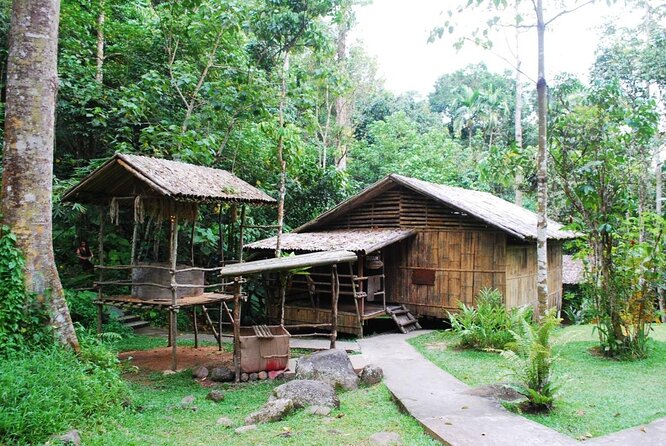
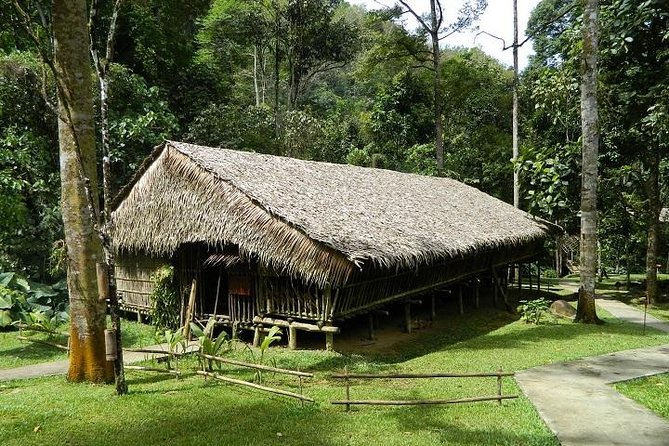
The house tour with demo is the backbone of the morning. You are shown how traditional homes and daily-life habits worked, not just photographed from outside. Demos are usually the part that feels most “real,” because you can see how things were done.
This is also where the tour earns its time. People often come in expecting dances and food. They leave talking about houses, how communities lived, and what the village is trying to explain. If you care about everyday life more than costumes, you will likely enjoy this part most.
There is also a mention of headhunter history in the experience, which tells you the village goes beyond simple crafts. It talks about major historical themes in a performance-driven way, so your guide’s framing matters. If you are traveling with kids, this kind of story-based presentation can work well, because it gives structure to what could otherwise be too abstract.
Food tasting inside the village: lunch and high tea that feel connected
One of the biggest strengths here is the meals. Lunch is served inside Mari-Mari, followed by high tea as part of your included package. This is important for two reasons.
First, it keeps you in rhythm. You are learning, walking, watching demos, then you eat while the cultural context is still fresh. Second, it makes the meal part of the story. In feedback, people mention trying different foods and beverages from each tribe, which suggests the village uses tasting to reinforce what you just learned.
Yes, food quality can vary with any group meal. But the consistent theme is that you get sampling and enough variety to make the lunch feel more than a token checkbox.
If you are picky or you do not eat certain items, it is worth going in with a mindset like, “I will find something I enjoy.” The tour data does not list dietary accommodations, so plan accordingly.
Cultural show and performance: the payoff after the demos
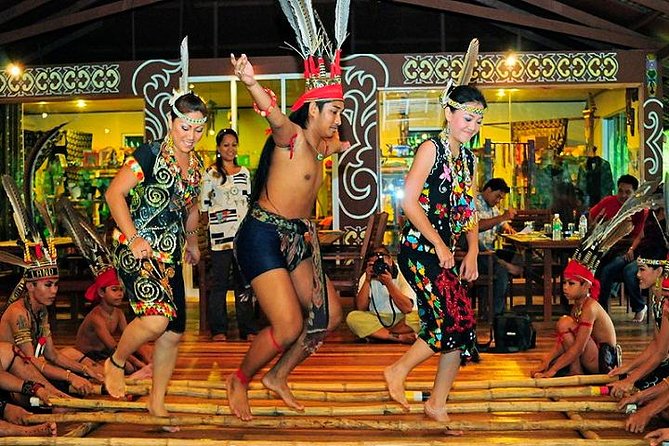
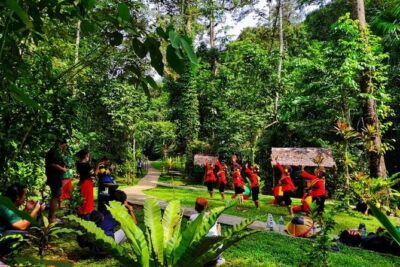
After the house tour and tasting time, you shift into the cultural show and performance. This is where you see traditional dances and related presentations tied to the different ethnic groups.
This portion tends to be the most fun part of the day. In feedback, the performances are described as awesome, entertaining, and interactive, with guides acting as hosts who explain what you are watching. If you have kids, this is often the section that holds their attention, because it has energy and visual clarity.
If you dislike crowds or long waiting times, aim to settle in early when the group begins to consolidate. Some people mention groups overlapping, so you can reduce stress by keeping an eye on what your guide is doing rather than wandering off.
Shared tour reality: small group, not private
This is a key point for value and expectations. The tour is shared, with a maximum of 15 travelers. That small cap keeps the experience manageable, but it still means you are not guaranteed private timing.
Some confusion shows up in feedback where people expected private. The practical takeaway: treat it like a guided group experience with some flexibility, not like you hired a private cultural historian for exactly your timeline.
For most people, shared is a benefit, because you reduce cost and still get a dedicated guide. For solo travelers who strongly prefer privacy and door-to-door schedule control, shared can feel like friction.
Rain, heat, and what to wear
Sabah weather can be unpredictable. Some visits are rainy, and the experience can still go forward. One practical tip from feedback: the village can sell cheap ponchos, so you do not have to guess too hard about bringing gear.
Wear comfortable shoes. You will walk, including the suspension bridge approach, and you will want stable footing. Keep your phone protected if it is wet, and have a small layer for cooler air when rain breaks the heat.
Value check: does $58 buy you a good cultural half-day?
At $58 per person, you are paying for three things: transport, guided cultural interpretation, and the included meal.
If you tried to DIY it, you would have to solve transport and timing on your own, plus purchase village entry and then handle lunch separately. Here, the bundling helps you avoid that puzzle, especially if you are staying centrally in Kota Kinabalu.
Where value can feel weaker is if the transport portion disappoints, like a late pickup or a ride that feels uncomfortable. That is not the core product, but it affects your overall day. Still, when the village portion goes smoothly, you get a lot for your time: house and demo, food and tasting, plus cultural show.
My take: this is good value for couples, families, and anyone who wants a structured cultural outing without coordinating multiple vendors.
Who this tour fits best (and who should consider alternatives)
This tour is a strong fit if you want:
- A guided, easy half-day in Kota Kinabalu
- A culture-first visit with houses, food, and performance
- A small-group feel (up to 15)
It can be a less ideal fit if:
- You need a strict schedule with zero waiting and true private pacing
- You are very transport-sensitive, meaning pickup delays or ride discomfort can ruin your day
- You want a free-form exploration style instead of a guided circuit
If you are a solo traveler who likes privacy, ask questions before you go and be clear that it is shared.
Should you book Mari-Mari Cultural Village with lunch?
Book it if you want a structured cultural experience where the food and performances are built into the same flow. The included lunch and high tea, the house tour with demo, and the fact that you are guided through five ethnic groups make this one of those half-day tours that is easier to justify than “just entry plus photos.”
Consider your transport expectations before booking. Some days run smoothly with prompt pickup, and the guides can be excellent, including names like Mac, Zul, and Aril mentioned for strong hosting and explanation. But there are also reports of late pickup or ride issues. If that would stress you out, plan for flexibility and keep your focus on the village time, which is the main event.
If you want, tell me your travel dates and whether you are visiting as a couple or family. I can help you decide if this fits your schedule in Kota Kinabalu and what timing strategy makes the most sense.
FAQ
What is the duration of the Mari-Mari Cultural Village tour?
The tour duration is about 5 hours (approx.), with around 3 hours spent at Mari-Mari Cultural Village.
What is included in the price of the tour?
The price includes roundtrip transportation, an English-speaking driver, hotel pickup and drop-off for centrally located Kota Kinabalu, the house tour with demo, the cultural performance, and local lunch plus high tea.
Does the tour include pickup from my hotel?
Yes. Hotel pick up and drop off are included for centrally located KK.
Is the tour private?
No. It is described as a shared tour, with a maximum group size of 15 travelers.
What time does the tour start?
Pickup is scheduled for 9 am.
What happens at the village when you arrive?
You receive a briefing on village rules, then a Welcome Ceremony greeting led by the Chief. After that, you can walk through a suspension bridge to enter the village.
Which ethnic groups are featured at Mari-Mari?
The village experience covers five ethnic groups: Dusun, Rungus, Murut, Bajau, and Lundayeh.
What food is included?
Lunch and high tea are included. The tour also notes that other food and drinks are not included.
Is a cultural show included?
Yes. The package includes cultural show and performance as part of the experience.
What is the cancellation policy?
Free cancellation is available up to 24 hours in advance for a full refund. If you cancel less than 24 hours before the start time, the amount paid is not refunded.
Is there a mobile ticket?
Yes, the tour uses a mobile ticket, and confirmation is received at the time of booking.
Just published around Kota Kinabalu
- Sabah: White Water Rafting Grade 3-4 at Padas River★ 4.7 · 3 reviews
- Full-Day Sepilok Orangutan and Sandakan City Trail from Kota Kinabalu★ 4.0 · 6 reviews
- Island Hopping ( Manukan & Sapi Island ) From Kota Kinabalu★ 4.5 · 9 reviews
- Sunset E-Foil Experience in Tanjung Aru Beach★ 5.0 · 10 reviews
- Top of the World – Sunrise Leisure Hike St. Veronica Hill★ 5.0 · 8 reviews
- Padas River White Water Rafting from Kota Kinabalu (Grade 3 & 4)★ 3.5 · 4 reviews
- Monsopiad Cultural Village Visit with Private Transfer from Kota Kinabalu★ 4.5 · 5 reviews
- Mangrove Kayaking Experience in Borneo★ 5.0 · 8 reviews
Cultural Village Tours, compared.

Mari-Mari Cultural Village Visit + Lunch + transfer
Read our review →
Semenggoh Orangutan Center & Sarawak Cultural Village
Read our review →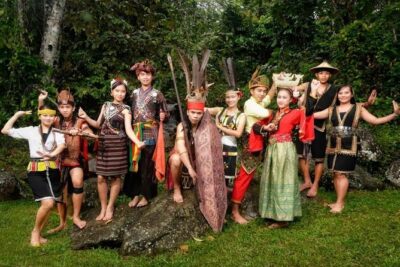
Mari Mari Cultural Village Tour from Kota Kinabalu
Read our review →Browse the lists this tour appears in