
Reviewed · DIVING COURSES & TRY DIVES
PADI Advanced Open Water Course Kota Kinabalu
Want skills you can use right away?
I like how this PADI Advanced Open Water course keeps things focused, with instructors teaching in small groups of up to 4. I also like the fact that you get original PADI learning materials, including the manual book and theory DVD, so you are not guessing what to study.
The training day has a simple flow, register at Jesselton Point, then head to the boat from the nearby jetty. I’ve seen plenty of praise for patient coaching, and it shows up in the names people remember, like Zarul, On Jai, Din, Jenson, and Zorro.
One thing to plan around: this is a 2-day schedule with a late-afternoon boat return, and there’s no pick up or drop off, plus you need to bring your Diver Card and come prepared for weather.
In This Review
- Key highlights worth knowing
- Go Aquatic and the PADI Advanced feel in Kota Kinabalu
- Price and what you actually get for $407.34
- Where you meet, how the day runs, and why the timing matters
- Day one registration: Diver Card, medical form, and your course kit
- The first refresher session and the five sessions that count
- Choosing 5 specialties and finishing the Knowledge Review
- The water, the boat, and what you might see off Kota Kinabalu
- Instructors, communication, and why the course feels calm
- Optional night underwater session, and when it will actually happen
- Practical tips for getting the most out of your two days
- Who should book this course, and who might want alternatives
- Should you book Go Aquatic for PADI Advanced Open Water?
- FAQ
- Where is the meeting point for the PADI Advanced course?
- What time does registration start?
- How long is the experience?
- How many underwater sessions do I need to complete for certification?
- Do I need to choose specialty electives?
- What materials are provided at the start?
- What’s included in the price?
- Is pick up or drop off included?
- Is there a night underwater session option?
- What is the cancellation and weather rule?
Key highlights worth knowing
- Small instructor ratio (max 4 participants per coach) makes skills feel manageable, even if you are still new
- Original PADI materials and licensed instructors help you study the right way, not the guessing way
- 6 underwater sessions total (1 refresher plus 5 that count toward your certification)
- Central meeting point at Jesselton Point with easy nearby food and ATMs
- A real optional night underwater session if there are at least 4 participants
Go Aquatic and the PADI Advanced feel in Kota Kinabalu
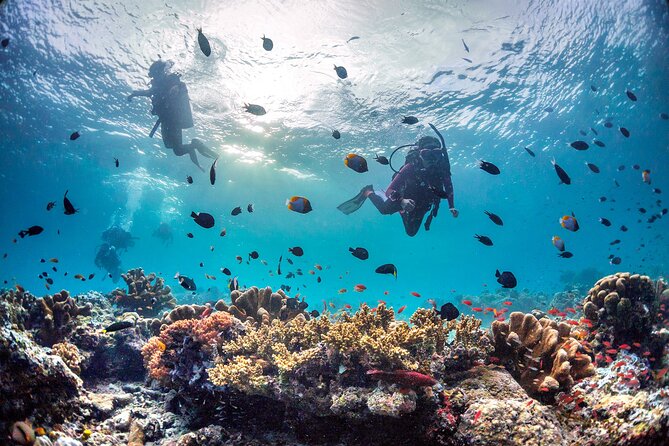
Go Aquatic is a PADI-focused scuba school right in Kota Kinabalu, built around teaching with structure and calm supervision. If you want a course that feels organized rather than rushed, this setup is promising.
A big reason I like the vibe is the small group approach. You get one instructor for up to four participants, which means you can ask questions without being shuffled aside. Plus, the team operates with teaching licenses and works full time as coaching staff, so you are not getting a last-minute cover instructor.
The center also emphasizes using original PADI materials, including the manual book and theory DVD. That matters because the PADI Advanced program is skills-and-knowledge driven, and having the correct materials helps you keep your learning aligned with the certification expectations.
You’ll also see a pattern in the feedback: people remember the instructors, not just the location. Names like Zarul, On Jai, Din, and Jenson come up again and again, usually paired with words like patient and clear, which is exactly what you want when you are working on buoyancy, techniques, and comfort underwater.
More Diving Courses in Kota Kinabalu:
- Leisure Diving | Fun Dives | 3 Dives in TARP, Kota Kinabalu
★ 5.0 · 94 reviews - Learn to Dive | RAID Open Water 20 Diver Course | Kota Kinabalu
★ 5.0 · 79 reviews - RAID Try-Dive Experience in Kota Kinabalu
★ 5.0 · 43 reviews
Price and what you actually get for $407.34
At about $407.34 per person, the price feels most fair when you compare what is included. You are getting lunch, bottled water, and use of scuba equipment, plus all fees and taxes.
That included equipment piece is more important than it sounds. If you have ever tried to piece together rentals on your own while also keeping a tight schedule, you know how fast it becomes stressful. Here, the goal is that you show up, get fitted, and spend your energy on learning the course skills.
What is not included is also worth noting. There is no pick up or drop off, and accommodation is on you. Also, you should bring a towel of your own, since a dry towel is not included.
Value-wise, the course also includes your learning materials at registration, which helps justify the total. You’ll receive your PADI Advanced Open Water manual book and a Multi Purpose Data Carrier as part of the start process, not as some extra add-on later.
Where you meet, how the day runs, and why the timing matters
You register at Jesselton Point Ferry Terminal at 8:45 AM, and the boat leaves around 9:10 AM. The full day return is typically around 3:30 to 4:00 PM, which means you should treat this as a full morning plus late afternoon commitment.
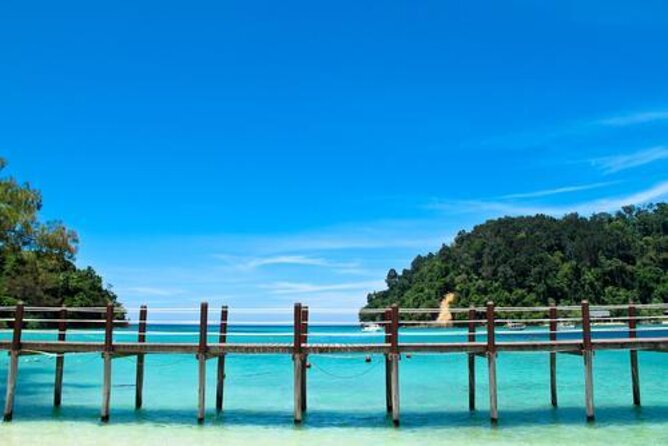
The good part is location convenience. The scuba center is close to the jetty, about a 2 to 4 minute walk, so you are not spending your best energy on long transfers. The meeting point area is also close to ATMs, restaurants, hotels, banks, a pharmacy, and tourist information, which makes it easier if you arrive early or need something quick.
The course runs for two days and includes six underwater sessions total. The first session is a refresher to get everyone comfortable and calibrated, then the remaining five sessions are the ones you complete to earn your PADI Advanced Open Water certification.
If you are planning your trip, build in buffer time. With a start at 8:45 and a boat departure soon after, you do not want to be cutting it close on hotel checkouts or last-minute errands.
Day one registration: Diver Card, medical form, and your course kit
Your course starts with registration at 8:45 AM. You will need to bring your Diver Card so the staff can verify you are a certified diver.
After registration, you’ll fill out a basic medical questionnaire. This is standard for scuba programs, but it’s also a good reminder to think about your health honestly, especially if you have any conditions that could affect exertion or breathing.
When you finish the paperwork, you receive your PADI Advanced Open Water manual book and the Multi Purpose Data Carrier. Then the dive crew guides you from the registration area to the jetty.
This part matters because it sets the tone. Getting your materials and confirming your certification before you reach the boat helps avoid awkward rushing later, and it keeps the training itself the main event.
A different sort of day out in Malaysia:
- 2D1N Mount Kinabalu Climbing
★ 5.0 · 494 reviews - Bongawan River Cruise: Proboscis Monkey & Fireflies Mangrove
★ 4.8 · 437 reviews - Guided Snorkeling Day Trip, Kota Kinabalu, Sabah, Malaysia
★ 5.0 · 282 reviews - Kota Kinabalu: Mari Mari Cultural Village Tour with Lunch
★ 5.0 · 152 reviews
The first refresher session and the five sessions that count
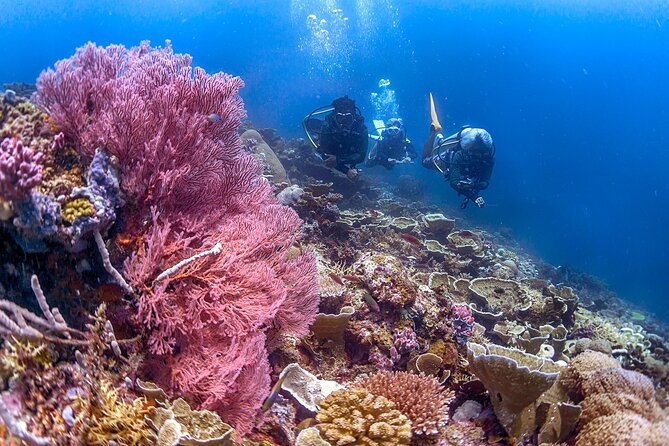
The schedule is straightforward once you’re on the water. You meet your instructor at the jetty, walk together to the boat, and you head out for the day’s sessions.
The first underwater session is a refresher, aimed at getting everyone comfortable again. That’s usually a relief if you have not been in the water recently, because you can reset your body position, breathing rhythm, and basic procedures with an instructor right there.
Then the course moves into the five course sessions that make up the certification work. Completing these is what gets you your PADI Advanced Open Water Diver certification.
One more practical point: your program includes both in-water practice and knowledge review. You’ll need to complete the Knowledge Review questions in your manual book as part of finishing the requirements.
For many people, the learning curve is not the gear, it’s the way everything fits together: control your breathing, manage buoyancy, follow instructions, and keep calm if conditions shift. The refresher helps because it turns those fundamentals into muscle memory before you start adding more advanced tasks.
Choosing 5 specialties and finishing the Knowledge Review
To complete the course, you need to choose five elective specialties. You do this with your instructor at the start of the course, so you can pick options that match what you want to get better at.
This is where you should be a bit strategic. If you want more confidence for future trips, pick specialties that improve comfort and control, not just the ones that sound exciting on paper. Your instructor can help you choose based on how you perform and what you’re looking to practice next.
Alongside the in-water requirements, you must complete Knowledge Review questions in your manual. This is the part people underestimate when they want to focus only on the water.
My advice: schedule the studying so it does not eat your whole time. Read what you need, answer the questions clearly, and bring any confusion to your instructor early. That way, your in-water practice time stays productive.
The water, the boat, and what you might see off Kota Kinabalu
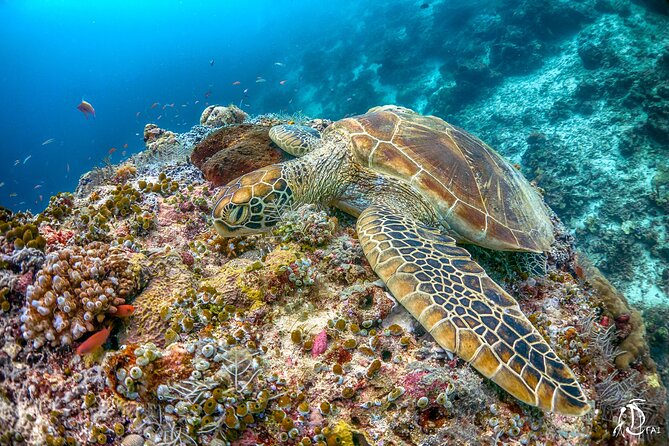
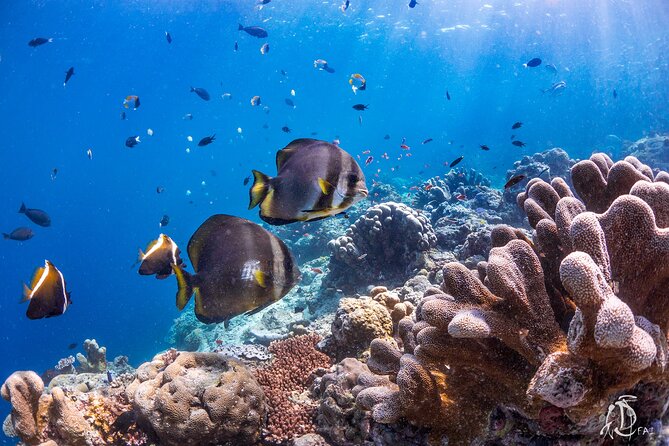
You’re operating from Kota Kinabalu with boat trips that return late afternoon. While the exact sites are not listed in the details here, the overall feedback points to healthy reefs and plenty of marine life.
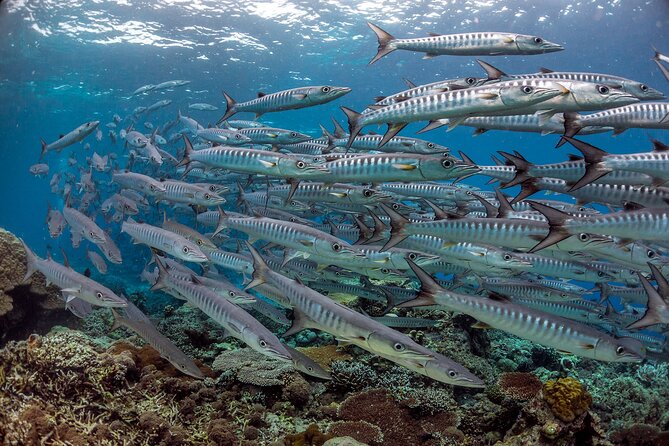
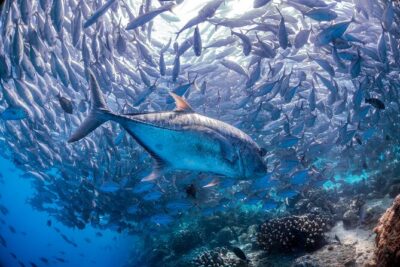
A few marine highlights show up in the feedback. People mention healthy corals and underwater sightings like schools of barracuda, jacks, and two spot snappers. That’s the kind of variety that makes the course feel more like a real experience, not just training chores.
The boat and equipment quality also comes up often. People specifically note that the boat was clean and the gear was in good condition, which matters because it reduces small annoyances that can distract you from learning.
There is also a theme of safety and guidance. Even when participants are newer divers, instructors are described as patient and focused on safety.
Instructors, communication, and why the course feels calm
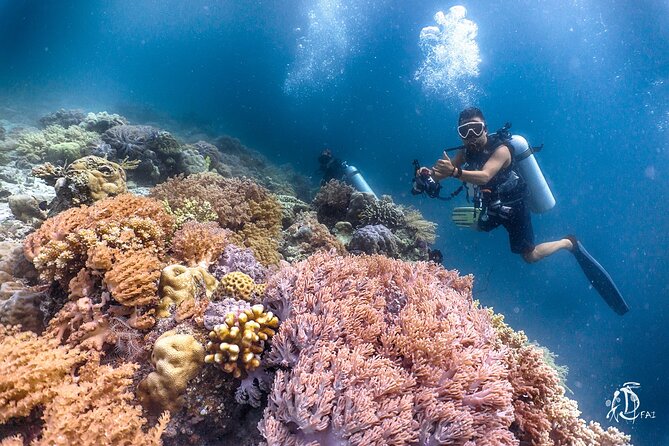
If you’re looking for the single best reason to choose Go Aquatic, it’s the coaching style. The names people mention are not random, they match the kind of teaching that sticks.
- Zarul is repeatedly praised for being patient and careful, with clear instruction that helps you progress smoothly
- On Jai is described as patient and funny, with coaching that keeps things understandable and enjoyable
- Din gets highlighted as friendly and chill, and especially good at staying patient with newer divers
- Jenson is mentioned for a smooth path to Advanced certification
You’ll also deal with organizers and staff like Shukry, who is repeatedly described as a solid point person who communicates well before you arrive. That pre-course communication matters because it reduces uncertainty about what to bring and where to go.
Language support is another practical win. The team speaks English, Chinese, and Malay, which can make explanations easier if you are more comfortable in one of those languages.
The result is a training atmosphere that feels more relaxed than you might expect for an Advanced program. Not because it is casual, but because the teaching is structured and you’re not left to figure things out alone.
Optional night underwater session, and when it will actually happen
There is an optional night underwater session during the course. The catch is simple: it only starts if there are at least four participants.
If you want to try it, ask early during the course start discussions. If the group size threshold is not met, it may not run, so keep your expectations flexible.
Also, night training is often where calm instruction matters most. Low visibility changes your sense of distance and timing, so you want your instructor nearby with clear cues and safety focus. Based on the general feedback about patience and safety, this is one of the reasons the option can work well for people who are curious.
Practical tips for getting the most out of your two days
Here’s how to make your course smoother based on what is specified and what tends to trip people up.
First, bring your Diver Card and take the medical questionnaire seriously. If you have any doubt about medical items, it is better to ask before you get on the boat.
Second, plan for a long day. Registration is at 8:45 AM, the boat leaves around 9:10 AM, and you’re back late afternoon. You’ll want a calm morning, not a rushed one.
Third, pack smart. Since a dry towel is not included, bring one. Also bring any personal comfort items you normally use around water, like a small dry bag or eye comfort items if that’s part of your routine.
Fourth, do your Knowledge Review on schedule. If you wait until the last minute, you risk turning the course into a studying scramble instead of a training progression.
Who should book this course, and who might want alternatives
This course is a good fit if you already hold open water certification and you want to build skills with a structured plan. The small group ratio and instructor attention make it especially good if you want confidence, not just a card.
It’s also a strong choice if you value clear pre-arrival communication and don’t want to chase details yourself. The center’s focus on helping new divers learn basic skills and improve during training lines up with the feedback about patience and careful instruction.
If you hate long travel blocks without pick up or drop off, consider your logistics first. Since there’s no transportation service included, you’ll want to be close to the meeting point or comfortable handling your own way there.
Should you book Go Aquatic for PADI Advanced Open Water?
Yes, I’d book it if you want a well-run PADI Advanced program with a small instructor ratio and original materials included. The training structure, the attention people give to instructors by name, and the consistent praise about equipment condition and boat cleanliness are all good signs.
I would think twice only if you are not ready for a two-day time commitment with a late-afternoon return, or if you really need transportation assistance from the operator. If you can handle the schedule and show up prepared with your Diver Card and a towel, this looks like a solid value for an Advanced certification in Kota Kinabalu.
FAQ
Where is the meeting point for the PADI Advanced course?
You start at Jesselton Point Ferry Terminal on Jln Haji Saman, Pusat Bandar Kota Kinabalu, 88000 Kota Kinabalu, Sabah, Malaysia.
What time does registration start?
Registration starts at 8:45 AM.
How long is the experience?
It runs for two days. The boat trips typically depart around 9:10 AM and return around 3:30 to 4:00 PM each day, so plan for a full day on the water.
How many underwater sessions do I need to complete for certification?
You complete 6 underwater sessions total: 1 refresher session plus 5 course sessions. Finishing the 5 course sessions is what earns your PADI Advanced Open Water Diver certification.
Do I need to choose specialty electives?
Yes. You must choose 5 elective specialties during the start of the course, together with your instructor.
What materials are provided at the start?
You receive the PADI Advanced Open Water course manual book and a Multi Purpose Data Carrier at registration.
What’s included in the price?
Lunch, bottled water, use of scuba equipment, and all fees and taxes are included.
Is pick up or drop off included?
No. Pick up and drop off service is not included, and accommodation is not included.
Is there a night underwater session option?
A night underwater session option is available, but it requires at least 4 participants to start.
What is the cancellation and weather rule?
This experience is non-refundable and cannot be changed for any reason. If it is canceled due to poor weather, you will be offered a different date or a full refund.
Just published around Kota Kinabalu
- Sabah: White Water Rafting Grade 3-4 at Padas River★ 4.7 · 3 reviews
- Full-Day Sepilok Orangutan and Sandakan City Trail from Kota Kinabalu★ 4.0 · 6 reviews
- Island Hopping ( Manukan & Sapi Island ) From Kota Kinabalu★ 4.5 · 9 reviews
- Sunset E-Foil Experience in Tanjung Aru Beach★ 5.0 · 10 reviews
- Top of the World – Sunrise Leisure Hike St. Veronica Hill★ 5.0 · 8 reviews
- Padas River White Water Rafting from Kota Kinabalu (Grade 3 & 4)★ 3.5 · 4 reviews
- Monsopiad Cultural Village Visit with Private Transfer from Kota Kinabalu★ 4.5 · 5 reviews
- Mangrove Kayaking Experience in Borneo★ 5.0 · 8 reviews
Diving Courses & Try Dives, compared.
Leisure Diving | Fun Dives | 3 Dives in TARP, Kota Kinabalu
Read our review →
Learn to Dive | RAID Open Water 20 Diver Course | Kota Kinabalu
Read our review →
(3 Days) PADI Open Water Diver Course Kota Kinabalu
Read our review →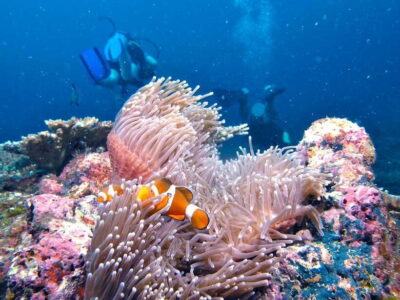
Enjoy 3 Fun Dives in Kota Kinabalu | Certified Divers
Read our review →Browse the lists this tour appears in