
Reviewed · MOUNT KINABALU TOURS
Mount Kinabalu Climbing 3 Days 2 Nights
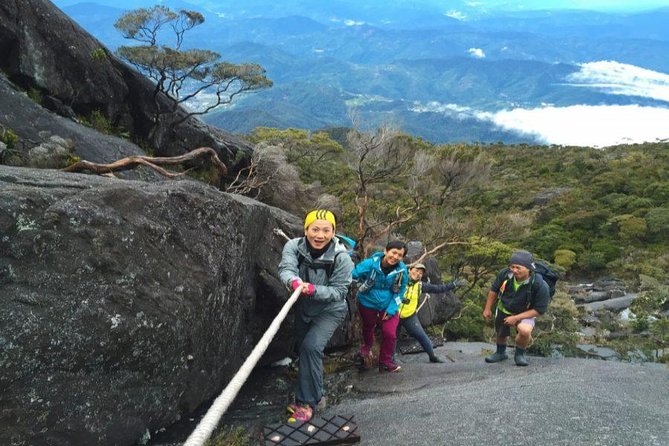
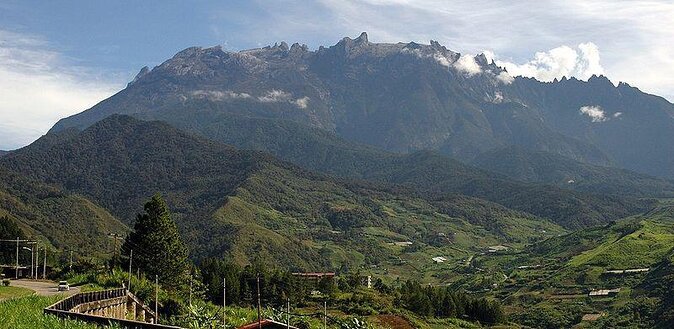
Mount Kinabalu is the kind of climb that makes you earn the views. This 3 days, 2 nights package keeps the hard parts organized: permits, guide, meals, and round trip transfers are handled for you, so you can focus on steady hiking instead of logistics. It is also capped at 10 travelers, so the experience stays more personal than you might expect for something this famous.
What I like most is how much is already bundled. You get a mountain guide, entrance permit, insurance, and a completion certificate, plus breakfast, lunch, and dinner while you are on the mountain. In the reviews, the agency’s responsiveness really comes through, especially with staff like John Tan, who helped smooth out details and even arrange different transport when needed.
One thing to keep in mind: this is not a casual walk. You should be ready for a strong fitness level and about 12 km round trip, along with cool, wet mountain weather. If you hate cold starts, sore legs, or hiking with a proper prep checklist, this may feel like more than you planned.
In This Review
- Key highlights I would plan around
- Entering Mount Kinabalu With Less Guesswork Than Usual
- Price and What $1,200 Buys You (and What It Does Not)
- The 10:00 am Start: Where the Climb Actually Begins
- Day 1: Pacing Yourself After You Step Off at Timpohon Gate
- Two Nights Included: Accommodation, Comfort, and the Laban Rata Detail
- Meals on the Mountain: Why It Helps You Hike Better
- The Big Hike Reality: A Guided 12 km Round Trip
- The Guide and Team Touch: When Responsiveness Matters
- Gear Checklist That Actually Matches Mountain Weather
- Porter Fees, Tips, and Other Costs to Budget
- Who This Climb Fits Best (and Who Should Rethink It)
- Small-Group Logistics: Meeting, Transfers, and Mobile Tickets
- Getting Your Completion Certificate, and What That Means
- Should You Book This Mount Kinabalu Climbing 3 Days 2 Nights Tour?
- FAQ
- What time does the Mount Kinabalu climb start?
- Where is the meeting point for this tour?
- How many people are in the group?
- How much hiking will I do?
- What meals are included?
- Is climbing insurance and a permit included?
- What is included if I want help carrying gear?
Key highlights I would plan around
- Small group cap (max 10) keeps the hike feel managed, not crowded
- All meals included means you can fuel consistently instead of budgeting on the fly
- Guide support and breaks built into the day help you pace the climb
- Insurance and a completion certificate make it feel like a real program, not just a booking
- Timpohon Gate start (10:00 am) gives you a clear launch point in Kundasang
- Room arrangements can be flexible based on group needs, with examples like private dorm setups at Laban Rata
Entering Mount Kinabalu With Less Guesswork Than Usual
The smartest thing about this climb is the planning weight is lifted off your shoulders. The package includes your climbing permit, a mountain guide, your 2 nights accommodation, and the main meals. Add hotel pickup and drop-off by seat-in-coach, and you are not spending half your time figuring out who to meet, where to go, and when.
That matters because Mount Kinabalu runs on timing and coordination. Even if you are experienced in travel, mountain operations are a different animal. When the permit and guide are pre-set, you start the trip confident and move with the group instead of trying to stitch together parts at the last minute.
There is also a strong “structured adventure” vibe here. Your guide is there for assistance and support, and the pace includes plenty of breaks. That is a real benefit if you want to enjoy the scenery and not turn the trip into a survival sprint.
More Mount Kinabalu trips:
- 2D1N Mount Kinabalu Climbing
★ 5.0 · 494 reviews - 2d1n Mount Kinabalu Via Ferrata – Walk The Torq
★ 5.0 · 90 reviews - Kinabalu Park & Poring Hot Spring & Canopy Walk
★ 4.5 · 80 reviews
Price and What $1,200 Buys You (and What It Does Not)
At $1,200 per person, it is not a budget hike. But it is also not just a guide and a shrug. Based on what is included, you are paying for the parts that usually cost time and uncertainty, including the permit, insurance, guide, meals, and accommodation.
Here is how I think about the value:
- Included items cover the big moving pieces: guide, permits, insurance, and 2 nights lodging
- Included meals reduce day-of stress. You are fueling without negotiating meals at the wrong time
- Transfers remove a common headache in Sabah logistics, since hotel pickup and drop-off are part of the deal
What is not included is also important. Porter fees are extra, and tips are not included but are appreciated. Alcoholic drinks are not included, and the package specifically lists personal travel insurance as not included. In other words, you get insurance coverage in the package, but you should still make sure your own coverage is correct for what you plan to do.
If you are trying to squeeze this into the cheapest possible version, you may find cheaper climbs online. But if you want everything coordinated, this package is built for that.
The 10:00 am Start: Where the Climb Actually Begins
Your meeting point is Timpohon Gate, Kundasang (Sabah, Malaysia), with the activity starting at 10:00 am. There is a clear start time, and that helps you plan the day before the climb.
Hotel pickup and drop-off are included via seat-in-coach. That is a practical choice for a multi-day mountain trip, since you do not have to hunt down transportation at odd hours. Still, you should plan to arrive with enough buffer for pickup timing and any pre-hike checks.
This is also the moment to treat your gear seriously. The trip instructions call out shoes with good grip, warm clothing, wind and water-proof layers, and a torchlight. Those are not decoration. A mountain hike can be cool, damp, and slippery, and your footing is what keeps you comfortable.
Day 1: Pacing Yourself After You Step Off at Timpohon Gate
I like the way the plan is described: your guide will show you where to go, and there will be plenty of breaks. That matters because Mount Kinabalu is not only about distance. It is about altitude, effort management, and keeping your energy steady.
Since the hike is estimated around 7 miles (12 km) round-trip, your best strategy is to treat it like an endurance day, not a sprint. You will move, pause, refill water bottles, and keep going with guidance. The built-in breaks make it more realistic to enjoy the scenery without feeling punished by every slow moment.
Meals are included, which helps with pacing. Even if you do not feel hungry during the first stretch, consistent meals make it easier to avoid the crash that can happen when you are cold and working hard.
A different sort of day out in Malaysia:
- Bongawan River Cruise: Proboscis Monkey & Fireflies Mangrove
★ 4.8 · 437 reviews - Guided Snorkeling Day Trip, Kota Kinabalu, Sabah, Malaysia
★ 5.0 · 282 reviews - Kota Kinabalu: Mari Mari Cultural Village Tour with Lunch
★ 5.0 · 152 reviews - Borneo (Klias) River Cruise & Fireflies Tour
★ 4.5 · 126 reviews
Two Nights Included: Accommodation, Comfort, and the Laban Rata Detail
You get 2 nights accommodation included. That is the big deal for a lot of people, because paying for lodging separately adds hassle and planning time, especially in a place where the schedule matters.
One of the review takeaways is flexibility around lodging. In at least one case, the agency arranged a private dorm for a group at Laban Rata. That does not guarantee your exact room setup, but it does suggest they can handle group requests when possible. If you care about room layout, it is worth asking before departure.
For the practical side, the packing list includes a complete set of dry clothes and some basic medical and comfort items like plasters for cuts or blisters, plus headache tablets and paper tissues. That tells you what matters most in the lodging phase: staying dry, managing minor soreness, and being ready for the next day without turning discomfort into a bigger problem.
Meals on the Mountain: Why It Helps You Hike Better
The package includes breakfast, lunch, and dinner. That is fewer decisions for you, and it reduces the risk of eating at the wrong time.
When you hike in cool weather, appetite can act weird. Sometimes you want hot food, sometimes you do not. Either way, having meals arranged lets you focus on energy and hydration rather than figuring out what is open and what is available.
It also fits the hike style described in the plan: breaks for rest and water refills. With food built in, you are not relying on random snacks to get you through.
The Big Hike Reality: A Guided 12 km Round Trip
The trip lists an approximately 12 km round trip hike. That is the heart of the experience, and it is why they stress a strong physical fitness level.
Also note what is included in the support system: your guide is available for assistance and support. You are not hiking alone, and you are not left to read signs and hope for the best. That support can help with pacing and route clarity, especially if you are new to mountain trekking.
At the same time, you should still expect it to feel physically demanding. You are hiking a mountain. Even with breaks, you will work. If you have any knee issues, stamina concerns, or you are recovering from illness, this is where you should be honest with yourself.
The upside is that this kind of organized climb can be a confidence builder. You arrive with the right gear, follow the pacing, and finish with a certificate.
The Guide and Team Touch: When Responsiveness Matters
One of the standout points from the reviews is service quality when plans need adjustments. Staff like John Tan is specifically mentioned for responsiveness and for helping make the trip feel smooth and comfortable.
That kind of support is not just politeness. On a multi-day mountain program, small issues can snowball fast. If you need transport changes, extra coordination, or a different arrangement for your group, having a team that responds quickly can save you a lot of stress.
The small group size of max 10 travelers also helps here. When you are not lost in a crowd, it is easier for the guide and organizer to adapt to real needs, like pace, questions, or group logistics.
Gear Checklist That Actually Matches Mountain Weather
The included guidance for what to bring is detailed, and it lines up with a real-world mountain climb.
Here are the items I would not skip:
- Good grip shoes. Tennis or gym shoes are fine, but traction matters.
- Wind and water-proof clothing, plus warm layers.
- Gloves, a hat, and a good torchlight.
- A complete set of dry clothes, so you can reset after damp stretches.
- A second pair of shoes or sandals for downtime.
- High-energy foods like chocolate, nuts, raisins, or glucose sweets.
- Plastic bags for wet gear, and plasters for cuts and blisters.
- Headache tablets, tissues, and basic first-aid style supplies.
One underrated item on this list is the idea of carrying extra dry clothing. If you get damp, you will feel it in your energy and comfort level fast. Dry clothes can turn a rough moment into a manageable one.
Porter Fees, Tips, and Other Costs to Budget
Not everything is included, so you should budget a little for the extras.
- Porter fees are extra. If you want help with weight, plan for that cost.
- Tips are not included, but are appreciated. If your guide and staff do a good job, tipping is a normal way to recognize it.
- Alcoholic drinks are not included.
- Personal travel insurance is not listed as included, even though insurance is included in the package.
If you are trying to estimate your true trip cost, think beyond the headline price. For many people, the biggest add-ons are porters and any personal insurance needs.
Who This Climb Fits Best (and Who Should Rethink It)
This experience is recommended for ages 18-50, and the trip asks for a strong physical fitness level. If you are generally active, comfortable with long walking days, and you can handle cool, wet weather with proper gear, you are in the right zone.
You might reconsider if:
- You have limited hiking stamina
- You get sidelined by cold or damp conditions
- You prefer short walks over multi-day mountain effort
- You do not like the idea of an organized group pace with set meeting times
On the positive side, it is the kind of guided climb that can suit first-timers who want structure but not a totally casual day. With a guide and breaks, it becomes far more approachable than DIY climbing.
Small-Group Logistics: Meeting, Transfers, and Mobile Tickets
The package uses hotel pickup and drop-off with a seat-in-coach transfer setup, and it includes mobile ticket delivery. Confirmation is received within 48 hours of booking, based on availability.
That is helpful if you like knowing your trip is locked in and that you have the ticket ready. It also means you should watch for your confirmation message and double-check the pickup details when you get it.
Because the experience ends back at the meeting point, it helps to plan your post-trip schedule with the expectation that you will return to the same area.
Getting Your Completion Certificate, and What That Means
You finish the experience with a certificate of completion. It might sound like a small piece of paper, but in a climb context it is a marker that you followed the program, completed the hike, and did it with the structured guide support provided.
It also gives the trip a clear end point. When you are tired and sore, having a defined finish can help you keep moving.
Should You Book This Mount Kinabalu Climbing 3 Days 2 Nights Tour?
Book it if you want:
- A guided Mount Kinabalu climb with permits, accommodation, and meals handled
- A small group feel (max 10)
- A team that is known for responsive coordination, including staff like John Tan who helps keep things smooth
- An organized plan built around breaks, support, and realistic mountain prep
Consider other options if:
- You want to minimize hiking effort or avoid cold weather layers
- You are hoping for fully independent, no-arrangements climbing
- You think you will need major flexibility, since the trip is listed as non-refundable and cannot be changed once booked
If you are ready for a real hike around 12 km round trip and you want the trip to feel planned rather than improvised, this is a strong, practical way to climb Mount Kinabalu.
FAQ
What time does the Mount Kinabalu climb start?
The activity starts at 10:00 am.
Where is the meeting point for this tour?
You meet at Timpohon Gate, Kundasang, Sabah, Malaysia (Kinabalu Park area).
How many people are in the group?
This experience has a maximum group size of 10 travelers.
How much hiking will I do?
The tour states you will hike approximately 7 miles (12 km) round-trip.
What meals are included?
The package includes breakfast, lunch, and dinner.
Is climbing insurance and a permit included?
Yes. The package includes insurance and a climbing permit.
What is included if I want help carrying gear?
Porter fees are not included. Tips are also not included, but are appreciated.
Just published around Kota Kinabalu
- Sabah: White Water Rafting Grade 3-4 at Padas River★ 4.7 · 3 reviews
- Full-Day Sepilok Orangutan and Sandakan City Trail from Kota Kinabalu★ 4.0 · 6 reviews
- Island Hopping ( Manukan & Sapi Island ) From Kota Kinabalu★ 4.5 · 9 reviews
- Sunset E-Foil Experience in Tanjung Aru Beach★ 5.0 · 10 reviews
- Top of the World – Sunrise Leisure Hike St. Veronica Hill★ 5.0 · 8 reviews
- Padas River White Water Rafting from Kota Kinabalu (Grade 3 & 4)★ 3.5 · 4 reviews
- Monsopiad Cultural Village Visit with Private Transfer from Kota Kinabalu★ 4.5 · 5 reviews
- Mangrove Kayaking Experience in Borneo★ 5.0 · 8 reviews
Mount Kinabalu Tours, compared.
2d1n Mount Kinabalu Via Ferrata – Walk The Torq
Read our review →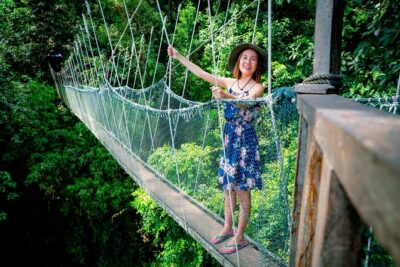
Kinabalu Park & Poring Hot Spring & Canopy Walk
Read our review →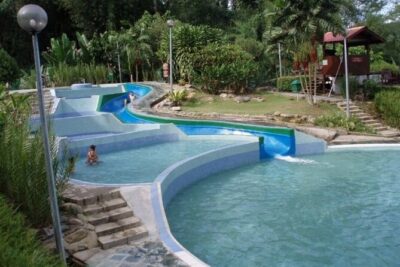
Kundasang : Poring Hot Spring + Desa & Meal Shared Tour
Read our review →

Kinabalu Park, Poring Hot Springs & Desa Farm Tour
Read our review →
Browse the lists this tour appears in