
Reviewed · WALKING TOURS
Kuala Lumpur Walk, Eat & See Tour
Street food meets old Kuala Lumpur.
This guided walk, eat, and see route links Malay heritage, Indian neighborhoods, and Chinatown, while you stop at major landmarks like Merdeka Square and Masjid Jamek and learn what connects it all.
I especially like how the itinerary spreads across different communities, so your food stops feel tied to place and people, not just random eating. And I like that snacks plus train tickets are included, which makes the $75 price feel more like a day out than a separate food-and-transport bill.
One thing to plan for: the tour needs good weather, and it can be up to 5 hours with lots of walking between neighborhoods. Comfortable shoes help, especially around the markets.
In This Review
- Key things to know before you go
- The big idea: how this tour turns Kuala Lumpur into a meal map
- Where you start, where you end, and how to plan your timing
- Stop-by-stop: Brickfields and Chow Kit, where the city’s older rhythm still shows
- Little India Brickfields (about 20 minutes)
- Chow Kit market area (early development era, still alive today)
- Kampung Baru and Central Market: Malay village atmosphere and a classic food-and-art stop
- Kampung Baru (about 30 minutes)
- Central Market Kuala Lumpur (about 5 minutes)
- Masjid Jamek, Merdeka Square, and the River of Life project
- Petaling Street Market: Chinatown, back alleys, murals, and the red-lane makeover
- The “fake market” vibe, plus a real-food tour payoff
- Why this ending is smart for your plans
- Charles the guide: the difference between a walk and a good one
- What you eat on the tour, and how to handle your own pace
- Price and value: is $75 a fair deal for KL street life?
- Getting the most out of the walk: shoes, water, and smart expectations
- Who should book this tour, and who might prefer something else
- Should you book this Kuala Lumpur Walk, Eat & See Tour?
- FAQ
- How long is the Kuala Lumpur Walk, Eat & See Tour?
- Where do I meet the tour, and where does it end?
- What’s included in the price?
- Are alcoholic beverages included?
- How big is the group?
- Is admission included for the stops?
- What is the cancellation policy?
- What happens if the weather is poor?
Key things to know before you go
- Three neighborhoods in one outing: Brickfields (Little India), Kampung Baru, and Chinatown areas.
- Guide-led ordering: the guide helps place orders so you spend less time figuring menus out.
- Transit included: train tickets are part of the package, so you avoid the back-and-forth logistics.
- Heritage landmarks on the route: Masjid Jamek, Merdeka Square, and the River of Life project.
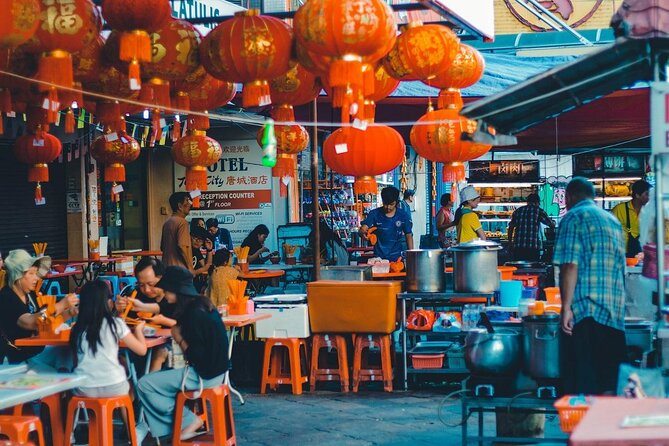
- Street art and alley wandering: Petaling Street has back-lane murals and small café and bar vibes after dark.
- Small group size: a max of 12 travelers keeps it personal.
The big idea: how this tour turns Kuala Lumpur into a meal map
Kuala Lumpur can feel like it has two cities at once. One is modern and fast. The other is old settlements, religious sites, and market streets where daily life still runs on food, talk, and habit. This tour is built to connect those two sides.
You start in the Sentral area and then move through older districts that still show the city’s layered identity. The route is paced as a walk with short stops, which matters because you are not just checking boxes. You are also getting context, like why Brickfields is such an Indian hub, or why Kampung Baru still reads as a Malay village center within a huge city.
And the food side is not treated like a side dish. It’s the main reason the walk works. You sample “a few bites” style tastings across markets, so you get variety without committing to one giant meal that may or may not match your mood.
More Walking Tours in Kuala Lumpur
- Kuala Lumpur Local Street Food Private Walking Tour by Night
★ 4.5 · 224 reviews - Kuala Lumpur: Nightlife Walking Tour with Local Guide
★ 5.0 · 33 reviews - Half Day Cultural And Heritage Walking Tour in Kuala Lumpur
★ 5.0 · 28 reviews
Where you start, where you end, and how to plan your timing
You meet at Nu Sentral 201, Jalan Tun Sambanthan, Kuala Lumpur Sentral, and the tour ends at Petaling Street Market, Jalan Petaling, City Centre. That end point is convenient because Petaling Street is one of the easiest areas to keep exploring after the tour, whether you want more snacks or just a late stroll.
Duration is listed as 1 to 5 hours. That wide range is a clue that this is not a rigid checklist. The guide can adjust the feel of the evening based on your group and how the night is running. In real terms, that means you should plan to be unhurried afterward, especially if you like lingering for photos in market lanes and around heritage buildings.
Also, this is a mobile ticket experience. That’s handy in KL, where last-minute changes happen and lines can form at the wrong times.
Stop-by-stop: Brickfields and Chow Kit, where the city’s older rhythm still shows
Little India Brickfields (about 20 minutes)
You begin in Brickfields (Little India), with a quick loop that includes older brickfields religious sites. The point here is to see how one neighborhood’s identity is built and maintained through daily community spaces.
Your tasting portion at this stop is short, but that’s a feature. It helps you sample what feels local to the area quickly, then move on while you still have energy. If you like variety over one long sit-down meal, this format fits.
A practical note: Brickfields can be active and busy. If you are sensitive to crowds, this tour is still doable, just plan on shoulder-to-shoulder moments during the market flow.
A different sort of day out in Malaysia:
- Private Half-Day Batu Caves and Cutural Tour in Kuala Lumpur
★ 5.0 · 3,107 reviews - Sambal Streets Kuala Lumpur Food Tour with 15+ Tastings
★ 5.0 · 2,438 reviews - Historical Malacca Guided Day Tour (Shared Tour)
★ 5.0 · 2,172 reviews - Kuala Lumpur: Sambal Street Food Tour with 15+ Tastings
★ 4.9 · 1,657 reviews
Chow Kit market area (early development era, still alive today)
Next is Chow Kit, described as tied to early development and still connected to market life today. In KL terms, Chow Kit is the kind of place where you can sense how trade and neighborhood commerce shaped the city.
This stop is where the tour tends to feel most like a living walk. You will likely see vendors selling everyday items, plus the food culture that flows through these streets. It’s also a good segment for asking questions, because the guide can explain how different food traditions show up where people trade and gather.
One consideration: because this is a market area, your food sampling can come with smells and heat. Drink water when you can, and don’t be shy about taking a quick pause if you need a breather.
Kampung Baru and Central Market: Malay village atmosphere and a classic food-and-art stop
Kampung Baru (about 30 minutes)
Kampung Baru is presented as the very first settlement of Malays. That framing matters because you are not only looking at “old KL.” You are seeing an older village identity surviving inside a modern capital.
Expect this part to feel calmer than the densest market lanes. It’s enough time to get a sense of what daily life looked like back in time, and why the area still carries meaning. For me, this is one of the stops that adds emotional context. You understand the city’s development as people, not just buildings.
Central Market Kuala Lumpur (about 5 minutes)
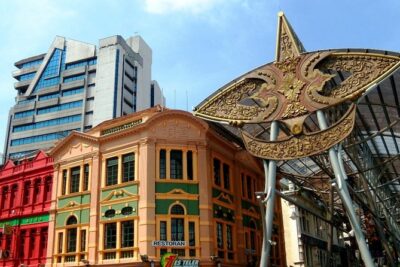
Then you reach Central Market Kuala Lumpur, where the tour includes a stroll through the tourist market but also points out alley spaces. The highlight here is the mention of a painters’ lane and a hint of history connected to Malaysia’s cultural story.
With only about 5 minutes listed, this is not the time for deep shopping. It’s a “walk-through” stop, so think of it as visual variety and a chance to catch street-level character. If you want to shop later, you will have time after the tour, since you end near the Petaling Street area.
Masjid Jamek, Merdeka Square, and the River of Life project
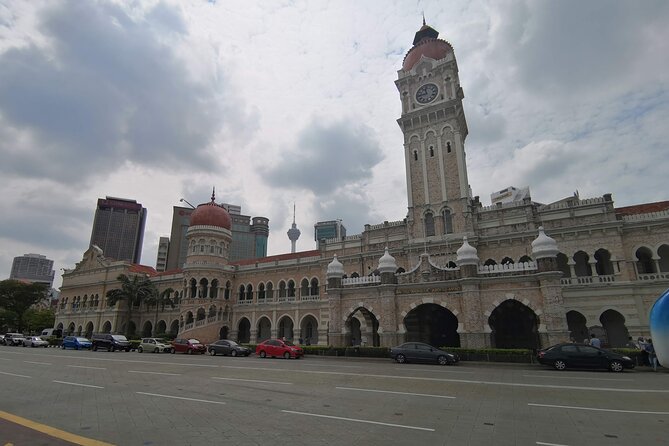
After Central Market, the itinerary switches into the heritage zone. You will stroll through older Kuala Lumpur areas, including Masjid Jamek and Merdeka Square, plus you see the River of Life project.
This is the part of the walk that turns your snacks into a story. You are tasting foods from neighborhoods tied to different cultural communities, then you line it up with major landmarks that helped shape the city’s identity.
What you can expect here:
- You get a feel for how public spaces sit alongside religious and civic buildings.
- You see how the city’s waterways and redevelopment tie into today’s pedestrian experience (the River of Life project).
- You connect names you might have heard before to what they actually look like on the ground.
One drawback: this segment involves “seeing stops” rather than long food moments. If you are on the hunt for constant eating, you may find this part slows the pace a bit. Still, it’s worth it because it explains why KL looks the way it does.
Petaling Street Market: Chinatown, back alleys, murals, and the red-lane makeover
The “fake market” vibe, plus a real-food tour payoff
Your last named stop is Petaling Street Market. The tour describes it as the “fake market aka Chinatown,” which is a playful way of saying it can feel like a tourist-friendly version of the district. But the important part is what comes after the main strip.
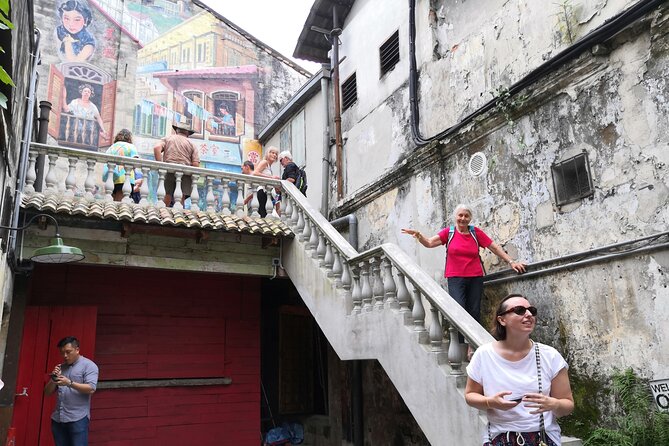
You head toward the area described as a revamp of red light lanes transforming into small cafés and bars, plus you look for hidden back alley street art and murals. That contrast is why this ending works. You finish not just with more shopping options, but with visual street culture.
Why this ending is smart for your plans
Ending near Petaling Street Market is useful because you can extend the night easily. If you still want food, this is one of the most forgiving places to find it. If you just want atmosphere, the alley murals and back lanes make it fun to wander without feeling lost.
Just keep in mind this is a nightlife-adjacent area, so expect noise and more hustle. It’s still manageable on a guided walk, and it helps you stay oriented.
Charles the guide: the difference between a walk and a good one
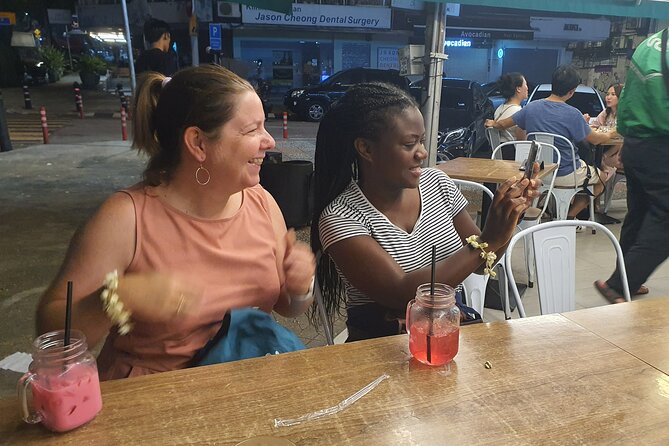
A major strength here is the guide. Charles is described as friendly, fluent in English, and able to answer questions across history and culture, not only food. That matters, because when a tour guide can connect your snack to the neighborhood, the walk stops feeling like a moving sampler tray.
The style also sounds practical. One review phrase I like is that Charles orders and you eat. In other words, you are not stuck translating menus or guessing what to try. The guide helps smooth that friction, especially if you do not speak Malay or Chinese languages.
Another plus: the guide appears generous with time and attention, and even offers options for a longer tour when it fits. If you enjoy asking follow-up questions, this kind of guide usually gives you more than the basic script.
What you eat on the tour, and how to handle your own pace
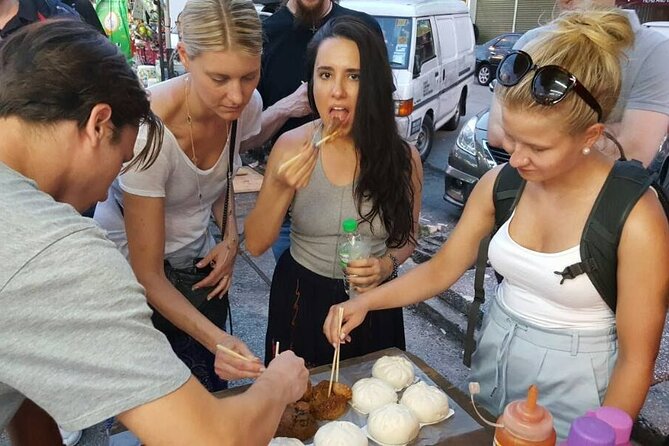
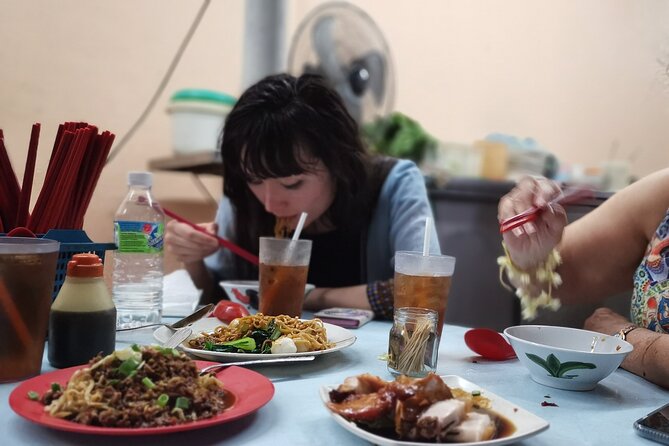
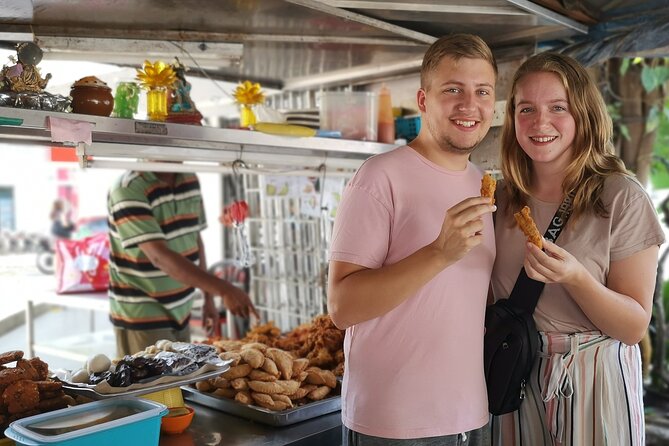
The tour is built around snacks and “few food bites” style sampling across different neighborhoods. Even without a full menu listed, you can get a sense of the flavor range from the food examples tied to the experience.
In previous tours, people mentioned tasting:
- nasi lemak
- jackfruit
- Chinese noodles
- banana roti
You might not get all four on every run, because the market supply changes, but it tells you the tour aims for variety across Malay, Indian, and Chinese food traditions. If you are a “try a little of everything” eater, you’ll likely be happy.
Also, alcohol is explicitly not included. That’s important for value and planning. If you want beer or cocktails, you’ll need to pay separately. If you do drink, pace it, because you are walking between stops.
Price and value: is $75 a fair deal for KL street life?
At $75 per person, the price is not cheap, but it becomes more reasonable when you look at what’s included.
You get:
- snacks
- train tickets
- a guided route that carries you through multiple neighborhoods and landmark areas
The biggest value isn’t just the food. It’s saving you the time and mental effort of figuring out transit between Brickfields, Chow Kit, Kampung Baru, Central Market, and Petaling Street. KL is easier once you know the rhythm, and a guide helps you get there faster.
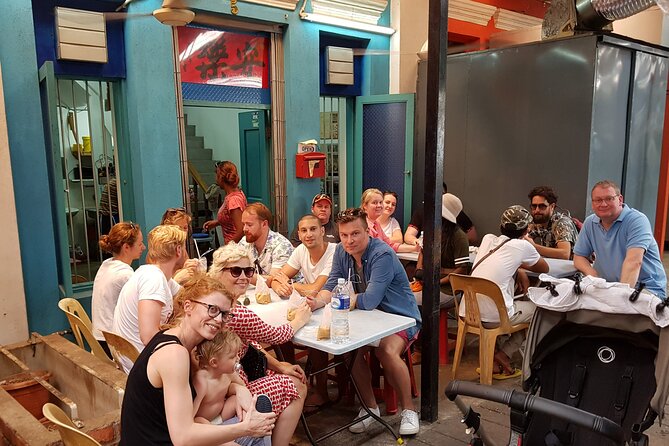
Small group size, up to 12 travelers, also helps value. You are more likely to move as a group that can ask questions and get attention.
If you are a solo traveler, the cost might still feel like a lot compared to self-guided street eating. But if you want structure, translation help, and a route that takes you beyond the most obvious tourist blocks, this kind of guided evening is often worth it.
Getting the most out of the walk: shoes, water, and smart expectations
This is a walking tour with market segments and heritage viewing. So your success depends on the basics.
Bring:
- comfortable shoes (you’ll be on your feet)
- water breaks when you can
- a light layer if evening air feels cooler
Also, plan around weather. The experience requires good weather, and if it’s canceled due to poor conditions, you’ll be offered a different date or a full refund. That flexibility helps, but it still means you should check the forecast close to departure.
One more expectation check: the itinerary includes short named stops like 5 to 10 minutes at Central Market and Petaling Street segments. Those are fast, which is great for variety, but it means you may not have time to linger to shop. Use the tour for orientation and tastings, then do longer exploring after.
Who should book this tour, and who might prefer something else
This tour fits best if you:
- want to sample Malaysian street-food flavors without heavy planning
- like seeing how neighborhoods connect to landmarks
- enjoy asking questions about culture and food origins
- prefer small-group walks over big bus tours
You might not love it as much if you:
- want a long sit-down meal at every stop
- dislike walking through crowded market areas
- need a slower, less structured pace
Should you book this Kuala Lumpur Walk, Eat & See Tour?
If you want a guided evening that mixes food sampling with real neighborhood context, I think this is a solid pick. The combination of Charles’s friendly English explanations, the included train tickets, and the way the route moves across Brickfields to Kampung Baru to Chinatown gives you a lot of KL in one night.
I’d book it if you are curious about cultural connections and want to eat a range of Malaysian dishes like nasi lemak, jackfruit, Chinese noodles, and banana roti without doing the guesswork yourself. If you hate walking or you can’t plan around weather, pick a different day or look for a more sedentary food option.
FAQ
How long is the Kuala Lumpur Walk, Eat & See Tour?
The tour lasts about 1 to 5 hours.
Where do I meet the tour, and where does it end?
You start at Nu Sentral 201, Jalan Tun Sambanthan, Kuala Lumpur Sentral. You end at Petaling Street Market, Jalan Petaling, City Centre.
What’s included in the price?
The tour includes snacks and train tickets.
Are alcoholic beverages included?
No. Alcoholic beverages are not included.
How big is the group?
The tour has a maximum of 12 travelers.
Is admission included for the stops?
The stops listed show admission ticket free, including Little India Brickfields, Central Market, and Petaling Street Market segments.
What is the cancellation policy?
You can cancel for a full refund up to 24 hours in advance. If you cancel within 24 hours, the amount paid is not refunded.
What happens if the weather is poor?
This experience requires good weather. If it’s canceled due to poor weather, you’ll be offered a different date or a full refund.
Just published around Kuala Lumpur
- Sunway Lagoon Ticket (One Day Pass)★ 3.5 · 5 reviews
- Kuala Lumpur City & Batu Caves Temple Private Tour★ 4.5 · 3 reviews
- Private Transfer: Kuala Lumpur International Airport to or from Hotel★ 4.5 · 14 reviews
- Private Tour Kuala Lumpur Shore Excursion Include Batu Caves★ 5.0 · 29 reviews
- Private Kuala Lumpur Shore Excursions★ 4.5 · 22 reviews
- Genting SkyWorlds Theme Park Tickets (Optional)★ 5.0 · 5 reviews
- Private Airport Transfer★ 5.0 · 4 reviews
- Private Chauffeur For Meetings, Side Visit, Tours, Airport Transfer, Sightseeing★ 5.0 · 13 reviews
Walking Tours, compared.
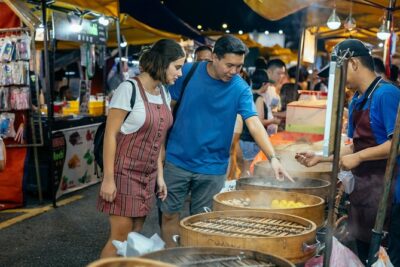
Kuala Lumpur Local Street Food Private Walking Tour by Night
Read our review →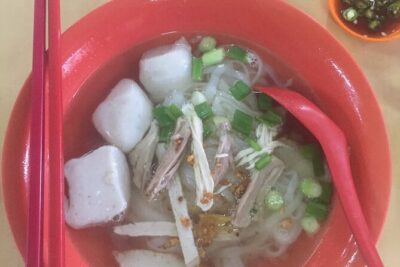

2d1n Mount Kinabalu Via Ferrata – Walk The Torq
Read our review →
Kinabalu Park & Poring Hot Spring & Canopy Walk
Read our review →
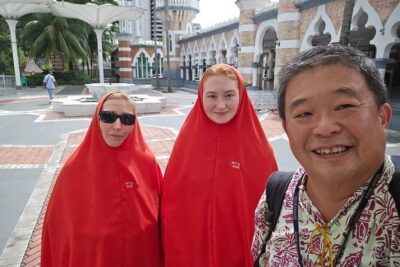
Half Day Cultural And Heritage Walking Tour in Kuala Lumpur
Read our review →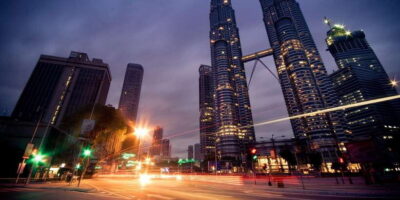
Browse the lists this tour appears in