
Reviewed · HISTORICAL TOURS
Kuala Lumpur Heritage Walk
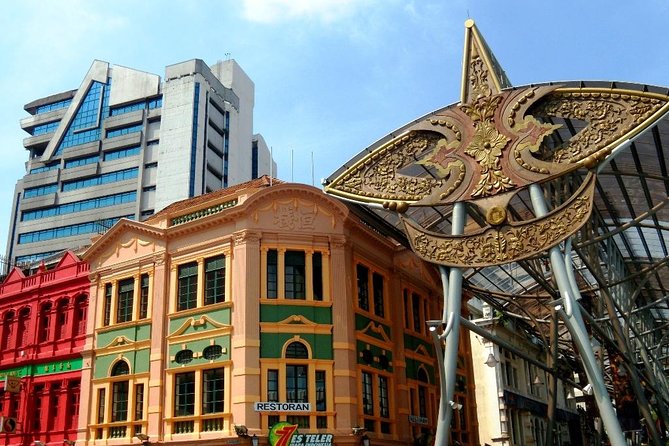
A morning in Kuala Lumpur starts with stories on your feet. This heritage walking tour links Central Market, Chinatown, and key worship sites, then tops it off with breakfast and lunch so you understand the city through Chinese and Indian community life, not just photos. I especially like the small group size and the way the guide turns each stop into something practical, including hands-on moments at temples when appropriate. One possible drawback: it is still a steady walk for 4 hours, and the tour notes suggest you should be ready for moderate walking in the morning heat.
You’ll also want to plan ahead for what you bring. There is bottled water, but caps or hats are not included, so bring your own and a reusable bottle if you have one.
In This Review
- Key things to know before you go
- Walking from Central Market to worship places that feel part of daily life
- Start at the Central Market meeting point, then ease into breakfast
- Sin Sze Si Ya Temple and the Taoist good luck rituals, at your pace
- Sri Maha Mariamman Temple, Hindu deities, and flexible timing
- Chinatown and the wet market, where you snack like a local
- Jamek Mosque, the story of how Kuala Lumpur began
- Lebuh Ampang lunch for authentic Indian cuisine
- The value of $60, and what makes it feel fair
- Guides like Kristin, Sean, and Winnie bring the day to life
- What to bring, how to pace yourself, and food expectations
- Should you book Kuala Lumpur Heritage Walk?
- FAQ
- FAQ
- How long is the Kuala Lumpur Heritage Walk?
- What does the tour price include?
- Where do I meet the guide?
- Is there hotel pickup or drop-off?
- What are the main stops during the walk?
- Is participation at the temples mandatory?
- Can I request vegetarian food?
- What should I bring or prepare?
- Do I need to provide passport details when booking?
- What is the cancellation timeframe?
Key things to know before you go
- Small-group format (max 10) means you get more time for questions, not just head-down sightseeing.
- Temple participation is optional and respectful, including lighting candles and joss sticks, plus a good luck custom at the Taoist temple at the discretion of guests.
- Food tastings are built in, starting with Malaysian breakfast at Restoran Yusoof dan Zakhir and finishing with Indian cuisine around Lebuh Ampang.
- You cover real neighborhoods, from Central Market’s surrounds to Chinatown’s wet market area and onward to Jamek Mosque.
- The guide connects religion, migration, and everyday life, including how Kuala Lumpur began and the tin mining settlement roots.
Walking from Central Market to worship places that feel part of daily life
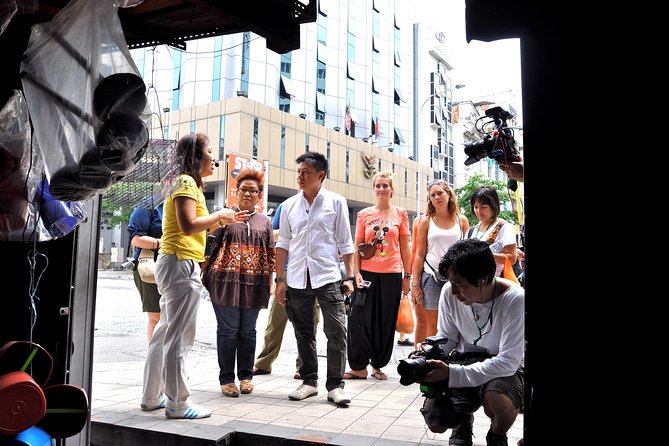
If you want an efficient introduction to Kuala Lumpur that goes beyond “see the sights,” this walk does the job. The rhythm is simple: you start in the Central Market area, move through Chinatown, visit two major temples, then finish with a mosque story and a lunch stop tied to the city’s Indian quarter.
What makes the experience click is that it is not just viewing. You get guided context on why these communities settled here and how their traditions show up in everyday spaces, markets, and places of worship. I also like the tone of the tour: respectful, explanatory, and focused on helping you join in only if you feel comfortable.
You should think of this as a cultural orientation plus food sampling. It is ideal if you want to understand what you are looking at while you are actually looking at it.
More History Tours in Kuala Lumpur
- Historical Malacca Guided Day Tour (Shared Tour)
★ 5.0 · 2,172 reviews - Kuala Lumpur: Batu Caves & Historic Buildings Tour
★ 4.7 · 539 reviews - Historical Malacca Day Tour from Kuala Lumpur (Private Tour)
★ 5.0 · 515 reviews
Start at the Central Market meeting point, then ease into breakfast
Your morning starts at the Tourist Information and Interaction Centre (TiiC) inside the Central Market Annexe, on Jalan Hang Kasturi. The start time is 9:00 am, and the tour wraps back near the same meeting point.
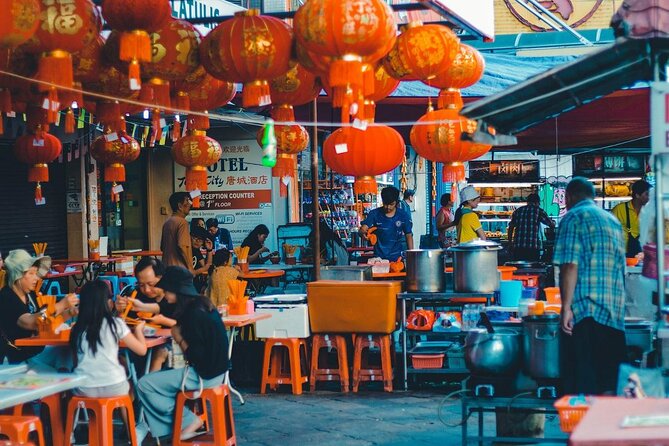
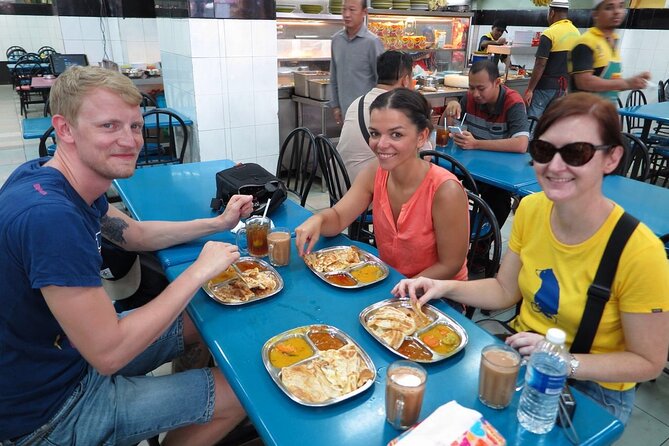
Right away, the plan is not to rush you into landmarks. Stop 1 is at Restoran Yusoof dan Zakhir, where you eat a Malaysian breakfast. You get a short taste window, around 15 minutes, but it sets the theme for the day: food tells you what locals actually eat, not just what tourists order.
Practical tip: breakfast tastings are part of the value here, but you might still feel like you want more once you see what is available. If you have a sensitive stomach, you may want to move slowly during tastings and drink water between bites.
Sin Sze Si Ya Temple and the Taoist good luck rituals, at your pace
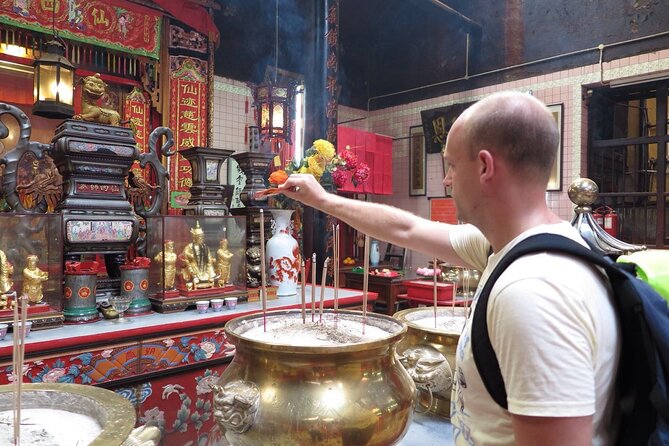
One of the most memorable parts is the stop at Sin Sze Si Ya Temple, where you learn about Taoist culture and religious practice. The guide explains what you are seeing, and then you have the option to participate in small rituals.
This is where the tour gets hands-on. You may be invited to light candles and joss sticks, and you might even take part in the custom of pasting a Goodluck Man on the wall to invite good luck. The key word in the tour notes is discretion, meaning participation depends on guest comfort and what the temple setting allows at the moment.
This is also a good stop for learning body language and temple etiquette. Even if you do not participate, watching how people move, how they approach offerings, and how the guide explains the meaning behind the actions makes it feel human and understandable.
Possible drawback to keep in mind: participation can be part of the experience, but it is not mandatory. If you would rather observe only, that is usually the easiest way to enjoy a temple visit without feeling rushed.
Sri Maha Mariamman Temple, Hindu deities, and flexible timing
Next comes Sri Maha Mariamman Temple. This stop focuses on Hindu culture, religious practice, and guidance on Hindu deities. The time window is about 20 minutes, but it is designed to flex based on what you want to spend time on.
That flexibility matters. Temples can be visually intense, and some people want longer to read the symbolism with the guide, while others are ready to move on quickly. Here, the tour explicitly allows you to spend as much time as you’re interested in during that stop.
Practical tip: keep your questions simple and direct. If you wonder about a deity or a ritual, ask what it means in daily life, not just what it represents. That tends to get the clearest answers from the guide.
Also, note that both temple stops have free admission listed in the tour details. That means your money is not being swallowed by entry fees, and you can focus on the guided experience and food tastings.
More Walking Tours in Kuala Lumpur
- Kuala Lumpur Local Street Food Private Walking Tour by Night
★ 4.5 · 224 reviews - Kuala Lumpur: Nightlife Walking Tour with Local Guide
★ 5.0 · 33 reviews - Half Day Cultural And Heritage Walking Tour in Kuala Lumpur
★ 5.0 · 28 reviews - Kuala Lumpur: Private Customized Walking Tour with a Local
★ 4.6 · 25 reviews
Chinatown and the wet market, where you snack like a local
After the temples, you head to Chinatown for a visit that includes a wet market area and food sampling. This is a short stop, about 20 minutes, but it is the kind of 20 minutes that can change how you see a neighborhood.
Instead of generic food booths, you are in the market zone, where you get a feel for daily commerce and the kinds of ingredients you see in Chinese cuisine. The tastings are described as Chinese foods locals know, which is exactly what you want from a guided walk like this.
What you should expect: the guide helps you choose or understand what you are eating, so you do not end up with random bites you cannot identify. This is especially useful if you are not sure what you are looking at in a busy market environment.
A consideration: since it is a wet market area, it can feel more humid and active than the earlier stops. Wear breathable clothing, keep your phone protected, and plan on eating with small breaks rather than trying to power through everything at once.
Jamek Mosque, the story of how Kuala Lumpur began
The route then shifts to Sultan Abdul Samad Jamek Mosque, with a short stop of about 15 minutes. The guide explains the story of how Kuala Lumpur began, connecting the city’s origins to the area and to the people who built and shaped the early settlement.
This is a helpful bridge between the earlier temple stops and the final food finish. You get a broader view of how different faith communities relate to the city layout, and you end up understanding Kuala Lumpur as a place of many cultures meeting in the same streets.
Practical note: mosque visits often come with expectations about how you dress. The tour notes do not specify clothing rules, so use normal respect guidelines: shoulders and legs should be reasonably covered, and hats may be something to remove when appropriate.
Lebuh Ampang lunch for authentic Indian cuisine
To close the walking loop, you head to Lebuh Ampang for lunch. This is a longer tasting stop, about 30 minutes, and it is focused on authentic Indian cuisine.
Lebuh Ampang is known for the kind of food you only fully appreciate when you have context from earlier stops. After Chinatown and temple visits, Indian cuisine here feels like part of one connected story rather than a random last meal.
One thing I like: you are not sent to a far-away restaurant where the guide cannot explain what you are tasting. This lunch is built into the neighborhoods you just walked through.
Diet tip: the tour offers a vegetarian option if you request it at booking. If you have allergies, you should also advise specific dietary requirements during booking, since the tour notes ask for that up front.
The value of $60, and what makes it feel fair
At $60 per person, this is not a budget-only option, but it does not price itself like a big fancy production either. The value comes from several things you actually use:
- You get a 4-hour guided walk with an English-speaking guide.
- You get food tastings, including breakfast and lunch, plus bottled water.
- The group is kept small, up to 10 travelers, which improves how much you can ask and how well you understand what you are seeing.
- Major stops like temples list free admission in the tour details, so your money supports the guide experience and the food component.
Also, the tour uses a mobile ticket, so you are not fighting with printouts or finding a counter on arrival.
If you are traveling with limited time and you want a quick cultural map plus actual eating, this price starts to make sense. If you only want photos and you hate walking, you might find it harder to justify.
Guides like Kristin, Sean, and Winnie bring the day to life
A lot of heritage walking tours can feel like a script. This one tries to avoid that by making participation and explanation feel natural.
From past experiences with different guides, I’ve seen a clear pattern: guides like Kristin, Sean, and Winnie tend to keep the energy up and the information practical. Some guides also add interactive moments tied to the stops, like hands-on food involvement (for example, roti-making) and small participation during temple visits when it fits the situation.
You do not need to be an expert. You just need curiosity and willingness to look closely. If you like learning with your eyes and your taste buds, you will match the tour’s pace.
Small-group advantage: with fewer people, it is easier for the guide to adjust explanations, slow down at photo moments, and answer follow-up questions. That matters when you are moving between religious sites and market areas.
What to bring, how to pace yourself, and food expectations
This tour recommends travelers have moderate physical fitness, and it is about 4 hours of walking plus stops. Even if the stops are short, you are still on your feet across multiple neighborhoods.
Bring:
- A reusable bottle or a tumbler (you can refill with the water provided in the tour’s center)
- Your own cap or hat (caps and hats are not included)
- Comfortable shoes with decent grip
Plan your appetite:
- You get breakfast and food tastings, plus lunch. If you are used to eating big meals, you might still feel full, but if you are a light eater, you may want to carry a snack for later in the day.
- The vegetarian option is available if requested when booking.
Comfort in temples and markets:
- Expect people to move around you. Some participation is optional, especially at the Taoist temple where actions are at the discretion of guests.
- If you are unsure about how to participate respectfully, ask your guide on the spot. That is exactly what the guide is there for.
Should you book Kuala Lumpur Heritage Walk?
Book it if:
- You want a guided introduction to Kuala Lumpur’s Chinese and Indian community areas.
- You like food tastings that connect to what you are seeing.
- You prefer small-group tours where you can ask questions and get context.
- You’re interested in a temple experience that includes optional participation rather than a quick pass-through.
Skip it or consider alternatives if:
- You dislike walking for about 4 hours even with short stops.
- You want an agenda with zero cultural etiquette moments and no chances to participate.
- You are looking for a purely scenic photo tour without food.
FAQ
FAQ
How long is the Kuala Lumpur Heritage Walk?
It runs about 4 hours.
What does the tour price include?
The price includes an English-speaking guide, bottled water (refill options are available), and food tastings.
Where do I meet the guide?
The meeting point is the Tourist Information and Interaction Centre (TiiC) at Central Market Annexe, Lot 02-03 Mezzanine Floor, Jalan Hang Kasturi, City Centre.
Is there hotel pickup or drop-off?
No, hotel pickup and drop-off are not included. The tour ends back at the meeting point.
What are the main stops during the walk?
You visit Central Market area, Sin Sze Si Ya Temple, Sri Maha Mariamman Temple, Chinatown (wet market area with food sampling), Sultan Abdul Samad Jamek Mosque, and then Lebuh Ampang for lunch.
Is participation at the temples mandatory?
No. At Sin Sze Si Ya Temple, activities like lighting candles, lighting joss sticks, and pasting the Goodluck Man are described as at the discretion of guests.
Can I request vegetarian food?
Yes. A vegetarian option is available, and you should request it at the time of booking. You can also advise any specific dietary requirements.
What should I bring or prepare?
Bring a tumbler if you want to refill water, wear comfortable shoes, and note that caps or hats are not included. The tour also lists a minimum age of 11 and a moderate physical fitness level.
Do I need to provide passport details when booking?
Yes. The tour notes say you must provide passport name, number, expiry, and country for all participants at booking.
What is the cancellation timeframe?
You can cancel for a full refund if you cancel at least 24 hours before the experience start time.
Just published around Kuala Lumpur
- Sunway Lagoon Ticket (One Day Pass)★ 3.5 · 5 reviews
- Kuala Lumpur City & Batu Caves Temple Private Tour★ 4.5 · 3 reviews
- Private Transfer: Kuala Lumpur International Airport to or from Hotel★ 4.5 · 14 reviews
- Private Tour Kuala Lumpur Shore Excursion Include Batu Caves★ 5.0 · 29 reviews
- Private Kuala Lumpur Shore Excursions★ 4.5 · 22 reviews
- Genting SkyWorlds Theme Park Tickets (Optional)★ 5.0 · 5 reviews
- Private Airport Transfer★ 5.0 · 4 reviews
- Private Chauffeur For Meetings, Side Visit, Tours, Airport Transfer, Sightseeing★ 5.0 · 13 reviews
Historical Tours, compared.
Historical Malacca Guided Day Tour (Shared Tour)
Read our review →
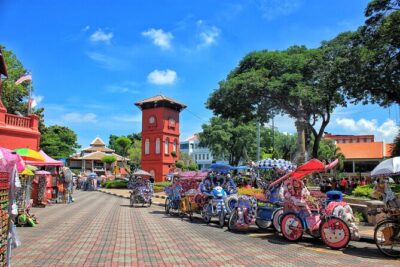
Historical Malacca Day Tour from Kuala Lumpur (Private Tour)
Read our review →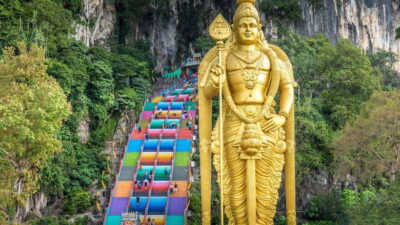
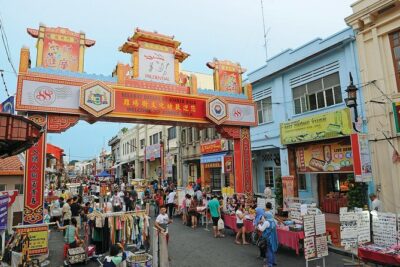
Historical Malacca Tour with Lunch from Kuala Lumpur
Read our review →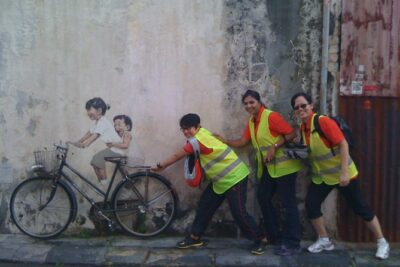
Penang George Town All-In-One Heritage Tour By Bicycle & Trishaw (Metro Bike)
Read our review →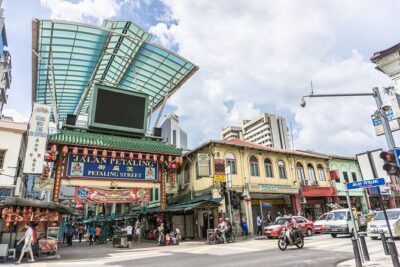
Private Half-day Batu Caves and Cultural Tour Kuala Lumpur *2026*
Read our review →Browse the lists this tour appears in