
Reviewed · MANGROVE & KILIM GEOPARK TOURS
Small Group, Big Heart: Kilim Karst Mangrove Kayak Adventure
Mangroves, bats, and quiet paddling in four hours. This Kilim Karst kayak outing combines calm wildlife viewing with an eco-minded plan, then finishes with a bat cave stop that’s straight out of Langkawi’s limestone world. I like the small group size capped at 6, and I really like how the tour uses small, quiet kayaks so you can get close without pushing animals to move.
The one drawback to plan around is that it’s not a pick-up-and-drop service. You meet at the main entrance near the green table food court area, and you’ll also want to be comfortable with the cave visit since it’s not listed as suitable for people with claustrophobia.
In This Review
- Key highlights worth your attention
- Kilim Karst mangroves and Bat Cave: the real vibe of this 4-hour tour
- Meeting at the green table food court: the logistics that actually matter
- The short speedboat hop and the floating hub setup
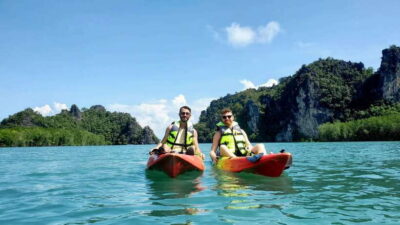
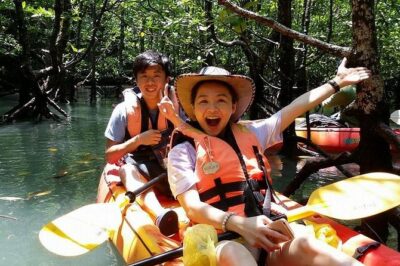
- Paddle through calm mangroves: what you’re really doing on the water
- Wildlife spotting tips that help you enjoy it more
- Lunch at the floating hub: where the tour slows down on purpose
- Boat transfer to Bat Cave: the shift from water to limestone
- Bat Cave basics: bats, formations, and what to expect
- Eco-conscious tourism: what the rules tell you about the mindset
- Price and value: what $69 buys you, and what it doesn’t
- Comfort and safety: who this tour suits best
- What to pack for Kilim mangroves and a bat cave visit
- Guides like Qin: why the explanations make the trip feel complete
- Should you book this Kilim Karst kayak and Bat Cave tour?
- FAQ
- How long is the Kilim Karst mangrove kayak and Bat Cave tour?
- Where is the meeting point?
- What wildlife might you see during the kayaking?
- What is included in the price?
- Is hotel pickup or transfer included?
- What lunch is served?
- Do I need to bring sunscreen and insect repellent?
- Is the Bat Cave visit suitable for claustrophobic guests?
Key highlights worth your attention
- 6-person cap keeps the kayaking and wildlife time from getting crowded
- Long-tailed macaques and leaf monkeys are part of the usual sightings in the park
- Eco-conscious approach uses quiet paddling and emphasizes respect for nature
- Floating hub lunch comes right after kayaking, with fried rice (chicken or veggie)
- Bat Cave in limestone gives you a guided look at insect-eating bats and rock formations
- Guide support in English and Malay helps you understand what you’re seeing, including UNESCO-style context shared by guides like Qin
Kilim Karst mangroves and Bat Cave: the real vibe of this 4-hour tour
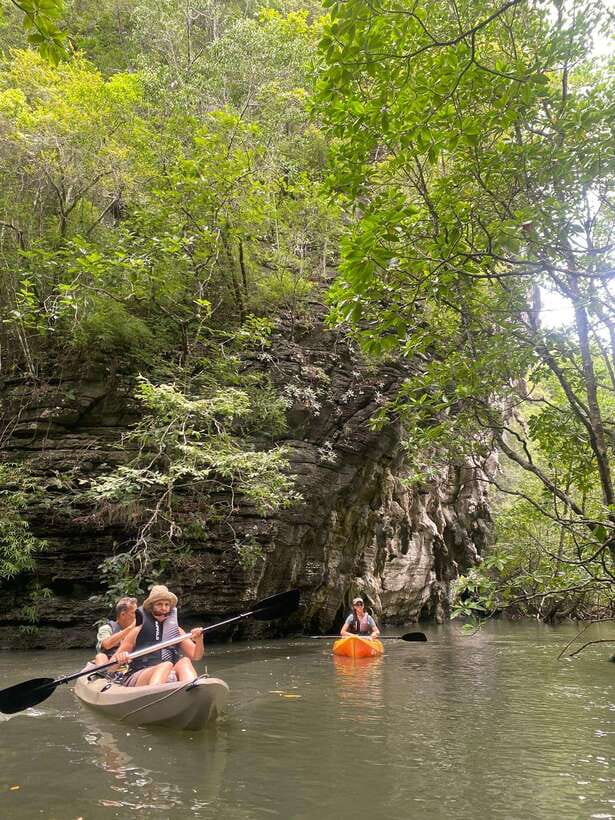
Kilim Karst Geoforest Park is one of those places where the scenery feels both dramatic and calm. Towering limestone cliffs hang above narrow waterways, and the mangroves do what mangroves do best, they act like a living buffer and a home for wildlife.
What makes this tour appealing is the mix. You start with slow kayaking through mangrove channels, then you switch to a limestone cave visit with bats. It’s not just “see nature,” it’s learn the connections between the water, the trees, the birds, and the cave ecosystem.
At $69 per person for a 4-hour experience, it’s also a pretty solid value if you like guided time. You get kayaking gear, a dry bag, boat transport, lunch, bottled water, and a guide. The costs that can add up are mostly extras you need to bring or buy yourself, like sunscreen and towel.
More Kayaking in Langkawi
- Langkawi : Kilim Mangrove Boat & Fun Kayak Tour with Lunch
★ 5.0 · 23 reviews - Langkawi : Kilim Geoforest Mangrove Kayak Tour with Lunch
★ 4.9 · 358 reviews - 5 Hours Kilim Mangrove Kayaking Sharing Tour (With Hotel Pickup)
★ 5.0 · 314 reviews
Meeting at the green table food court: the logistics that actually matter
You meet at the main entrance at the green table food court area. From there, you walk to the jetty and take a short boat ride to where the kayaks are kept, a floating fish farm hub area.
Because there’s no hotel pickup or transfer included, this tour is easiest if you’re already in or near the Kilim area. If you’re staying farther away, plan time for getting to the meeting point. Also check what time you can realistically arrive on time. A calm start matters here since wildlife kayaking is all about staying quiet and on schedule.
Once you arrive, there’s a safety briefing before you head out. This is a good sign if you’re not a frequent kayaker, because the goal is control and comfort, not speed.
The short speedboat hop and the floating hub setup
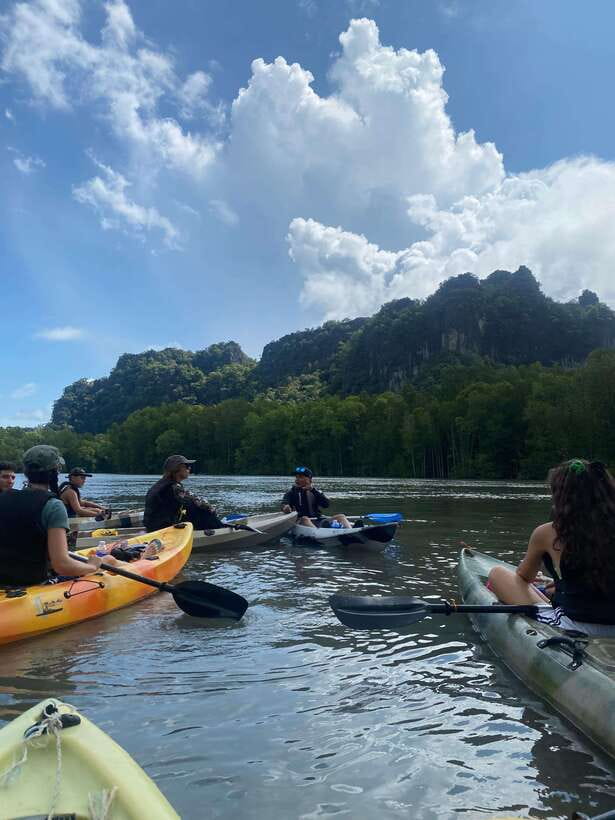
After the meeting and a quick ride, you land near the floating hub where kayaks are stored. This matters because it reduces the shuffle time. You’re not dragging gear around a parking lot, and you’re not waiting forever for everyone to show up.
There’s also a practical benefit to the floating hub setup: you can reset your gear right before paddling. You’ll have access to kayaking gear and a dry bag, which helps keep phones and cameras safer from splash spray.
Then comes the real highlight: calm mangrove water and a route designed to get you close to wildlife without stressing it.
Paddle through calm mangroves: what you’re really doing on the water
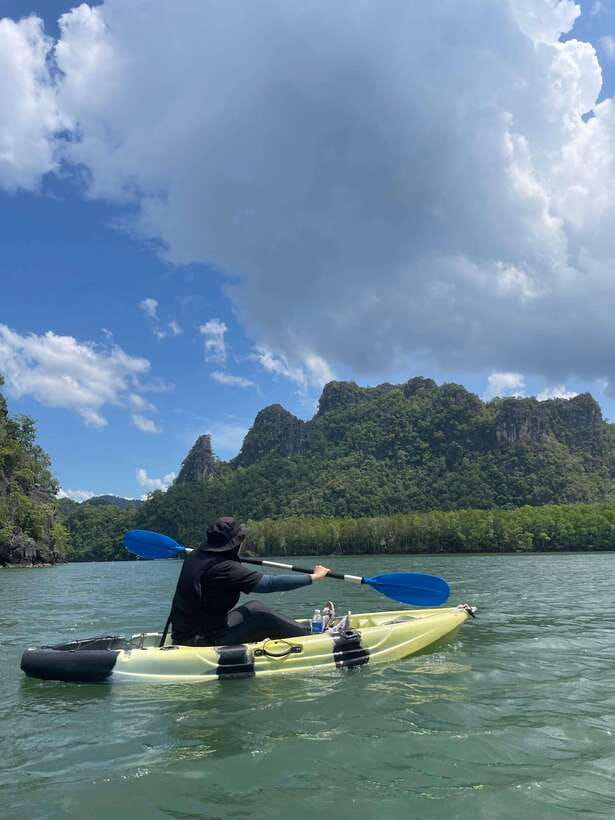
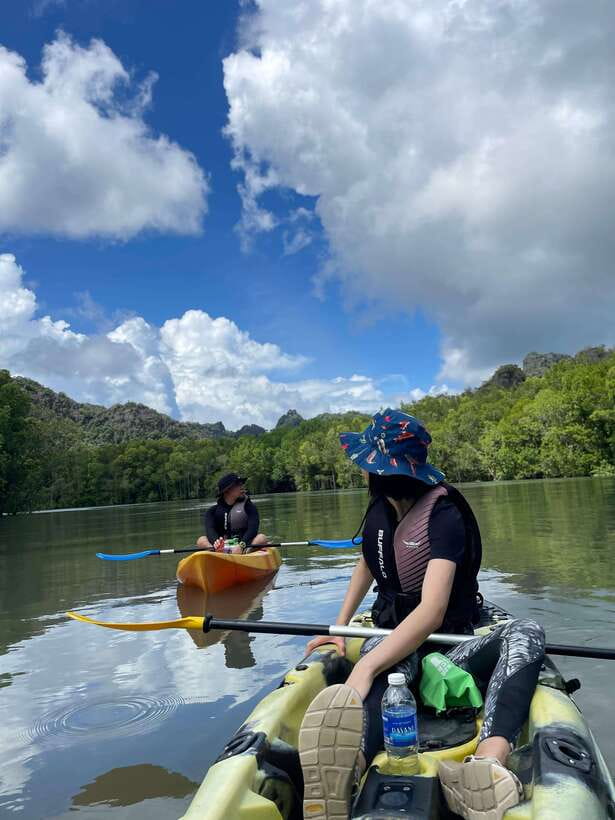
This tour is built around one simple idea: small, quiet kayaks let you move like you belong there. When a kayak stays stable and silent, you have a much better shot at observing animals without them reacting.
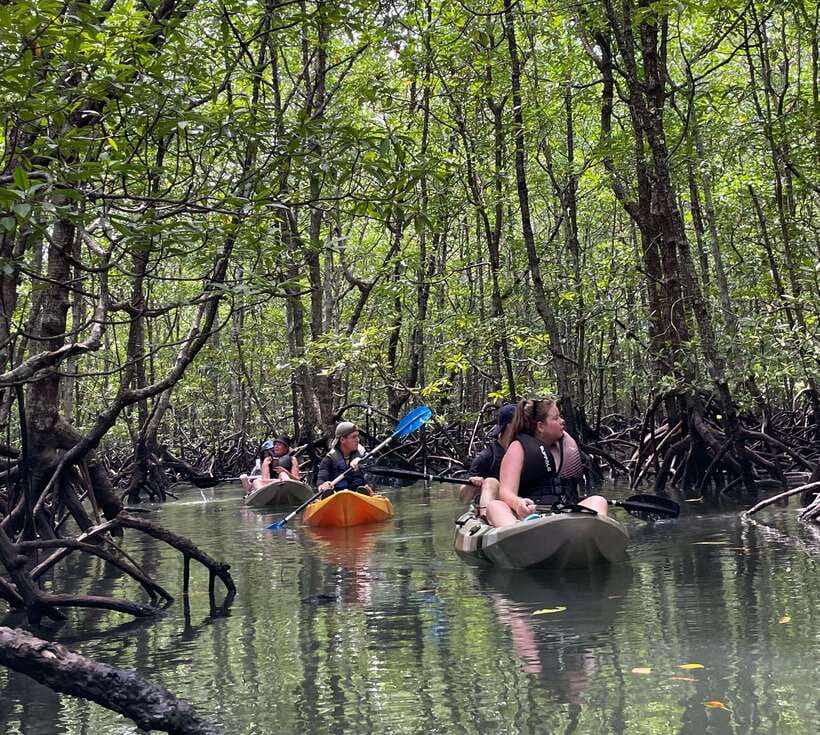
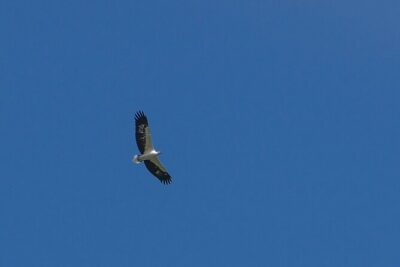
As you glide through the mangroves, you’ll look and listen for wildlife. Common sightings include long-tailed macaques, dusky leaf monkeys, and a range of birds such as eagles and kites. Even when you don’t get a perfect view, the guides help you read the habitat. Mangroves are not just trees at the edge of water, they’re food webs, shelter, and nesting areas all at once.
I also like the way the tour handles approach and distance. You’re not doing the loud, splashy “follow the guide” style. The pace is steady and respectful, which is what makes the wildlife viewing feel less like a chase and more like being in the same room as nature.
One more thing to know: the tour rules explicitly forbid feeding animals and touching plants. That’s not just “be nice,” it’s part of keeping the ecosystem functioning.
More Kayaking in Kuah:
- Langkawi: Kilim River Mangrove Safari Kayaking Tour
★ 4.9 · 117 reviews - Langkawi Sunset Kayaking Adventure with nature guide
★ 5.0 · 105 reviews - Mangrove Kayaking Tour from Langkawi
★ 5.0 · 102 reviews - Half-Day Mangrove Kayaking in Langkawi
★ 5.0 · 82 reviews
Wildlife spotting tips that help you enjoy it more
You can’t control what animals do. But you can control how ready you are to notice them.
Here are smart moves that match what the tour emphasizes:
- Bring a camera you can reach quickly, since bird sightings and monkey activity can happen fast.
- Wear comfortable clothes you can move in, and skip jeans since they’re specifically not allowed.
- Use insect repellent. You’re in mangrove country, so plan for bugs instead of hoping they’ll ignore you.
- Bring a hat and sunscreen. Sunscreen is not included, so pack it.
If you’re hoping for birds of prey like eagles and kites, watch for changes in the air first, then the movement in treetops second. It’s a better pattern than staring at the water.
And if you end up with a guide like Qin, you’ll likely appreciate the clear explanations during the trip. One reason people sing her praises is how she breaks down what you’re seeing in plain, organized detail, including context about Langkawi’s broader value.
Lunch at the floating hub: where the tour slows down on purpose
After kayaking, you pause at the floating hub for lunch. The meal is fried rice with your choice of chicken or veggie, plus bottled water.
This timing is smart. You’ve spent time in the sun and on the water, so the break feels like it restores energy instead of turning into an afterthought. Also, it gives you a moment to look around from a more grounded spot. Mangroves can feel busy from the kayak, but standing there lets you scan the waterline and treetops more calmly.
A small but helpful detail: the lunch is included, so you’re not stuck hunting for food right when you’re hungry.
Boat transfer to Bat Cave: the shift from water to limestone
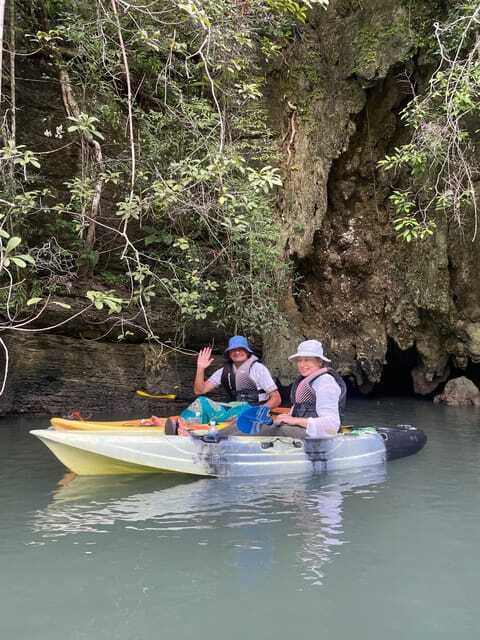
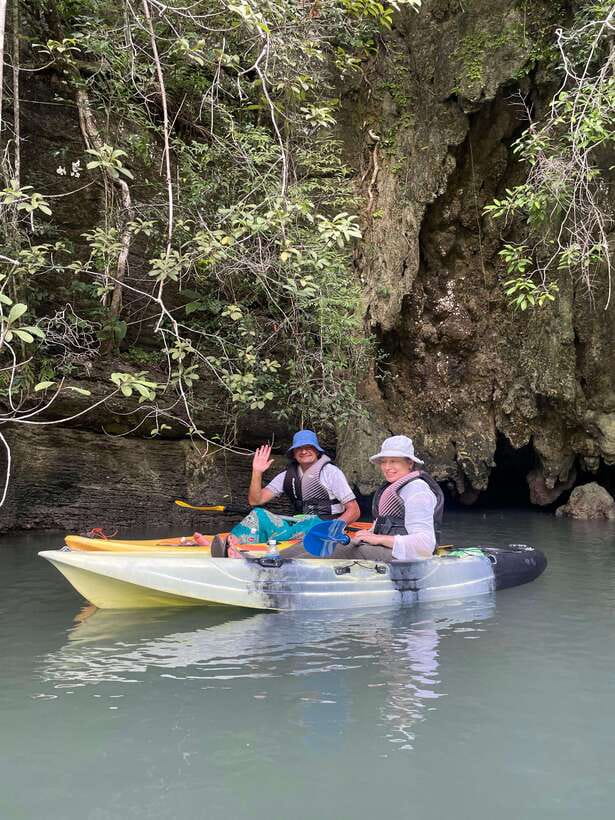
After lunch, the tour takes you by boat to the Bat Cave, a limestone cave with wild bats. You’ll learn about their role in the ecosystem and explore the cave’s unique rock formations before heading back to the Kilim jetty.
This change of setting is one of the biggest “wow” moments of the tour. Kayaking is open air and soft light. The cave is cooler, quieter, and more about texture and shapes.
It’s also a point where personal comfort matters. The activity lists claustrophobia as a no-go, and that makes sense. Caves are tight by nature, and the tour does not present the cave visit as optional.
If you’re the kind of person who gets nervous in enclosed spaces, this is the part to think about early.
Bat Cave basics: bats, formations, and what to expect
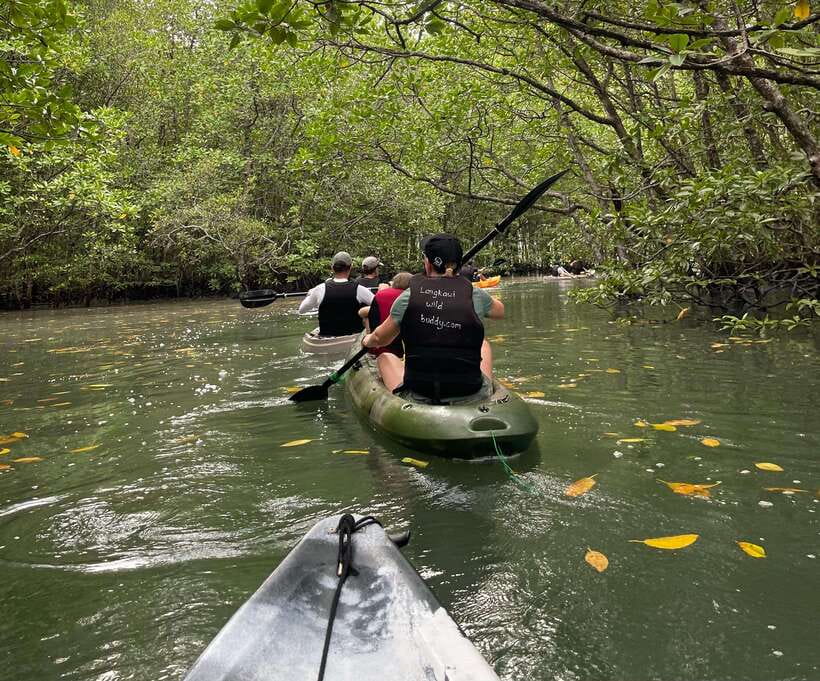
The cave is home to insect-eating bats. That detail is more than trivia. It connects to why people care about protecting caves and bat habitats. In a balanced ecosystem, bats help keep insect populations in check, and they rely on stable, undisturbed roosting areas.
In the cave, you’re exploring the limestone rock formations with a guide. The tour focus is on understanding and respectful observation, not dramatic “touch everything” behavior. In fact, the tour rules forbid touching animals and also prohibit touching plants, which matches the broader eco message.
One practical thought: bring a camera, but keep your expectations realistic. Caves usually mean dim light, so your phone camera might struggle without adjusting settings. A dry bag helps earlier in the day, but in the cave you’ll still want to handle electronics carefully.
Eco-conscious tourism: what the rules tell you about the mindset
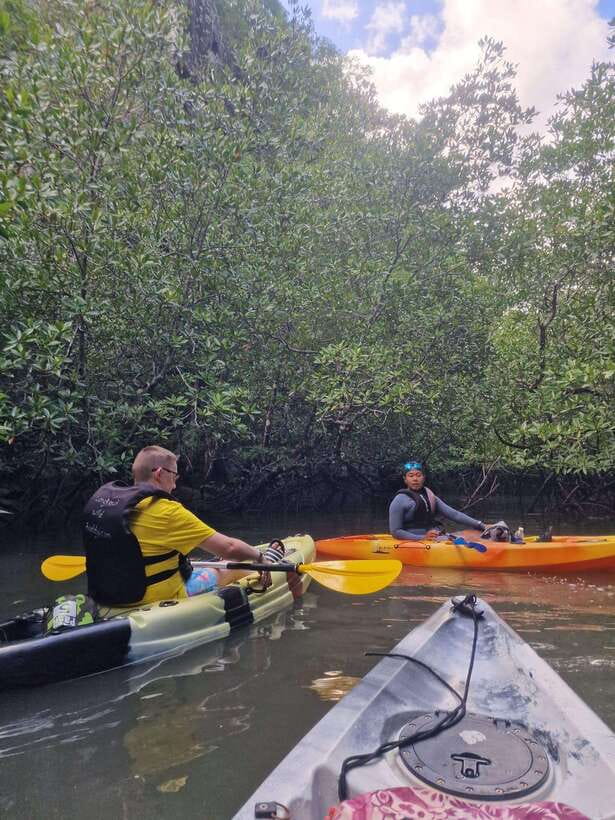
This tour is explicitly about low-impact nature respect. You’ll see it in the small group size, the quiet kayaking approach, and the set of restrictions.
A few rules are especially relevant to how the day feels:
- No feeding animals or touching animals
- No littering
- No smoking
- No touching plants
- No jewelry, and no large luggage
The no jewelry rule might seem odd until you remember that wildlife areas are wet and equipment bumps happen. Removing dangling items reduces snag risk and keeps both you and the environment safer.
Also, the tour doesn’t allow alcohol or drugs, and it doesn’t allow fire-making or fireworks. That’s a clue the operator is trying to keep the site calm and consistent for wildlife.
Price and value: what $69 buys you, and what it doesn’t
At $69 per person for a 4-hour tour, the value mostly comes from what’s included.
Included:
- Kayaking gear plus dry bag
- Secure storage
- Guide
- Boat transport
- Lunch (fried rice, chicken or veggie)
- Bottled water
Not included:
- Pickup and transfer
- Sunscreen
- Towel
- Toilet fee
- Additional orders for food and drinks
- Any extra buggy service (if needed)
For me, the value is strongest if you factor in lunch and boat transport. Many half-day nature tours charge extra for those, especially in areas where transport is the whole challenge. Here, the price feels like it covers the core experience.
That said, the biggest cost in practice is what you bring. Sunscreen, insect repellent, a towel, and comfortable shoes that meet the rules. Also, watch the constraints: jeans and high-heeled shoes are not allowed, and you’ll want to avoid anything that would slow you down during safety and cave steps.
Comfort and safety: who this tour suits best
This is a nature-focused kayaking and cave experience. It’s best for people who want active, guided sightseeing and can handle a bit of uneven ground, water spray, and a cave environment.
The tour is not suitable for:
- Children under 4 years
- Pregnant women
- People with back problems, heart problems, or recent surgeries
- People with claustrophobia
- Wheelchair users
- People prone to seasickness
- People with animal allergies or food allergies
- People with low level of fitness, or older guests outside the listed limits
- People over 95 kg (209 lbs)
If you’re healthy, steady on your feet, and you can handle sitting in a small kayak, it’s a good match. If you’re dealing with motion sensitivity, the boat parts could be a problem, since the tour includes boat transport to and from the kayaking area and to the bat cave.
What to pack for Kilim mangroves and a bat cave visit
Your packing list is simple, and it matches what the tour asks for.
Bring:
- Hat
- Camera
- Sunscreen
- Water (bottled water is included, but having extra doesn’t hurt)
- Comfortable clothes
- Insect repellent
Also keep in mind:
- Avoid jewelry
- Avoid large bags or luggage
- Plan to follow the no jeans rule
If you’re the type who loves photos, consider a small, strap-style camera setup so you can shoot quickly and safely while keeping your hands free for paddling tasks.
Guides like Qin: why the explanations make the trip feel complete
A good mangrove day is 50 percent nature and 50 percent understanding what you’re looking at. The tour uses live guides in English and Malay, and that makes a big difference when you’re spotting wildlife quickly.
On departures led by Qin, people especially mention the clear, organized explanations and the enthusiasm for Langkawi’s protected nature. When a guide connects the animals to the mangroves, and the cave to the ecosystem, you end the tour feeling like you didn’t just pass through scenery. You learned the logic behind it.
Should you book this Kilim Karst kayak and Bat Cave tour?
Book it if you want a guided, respectful half-day that includes kayaking, lunch, and a cave visit without turning into a rushed checklist. The small group cap at 6 is a strong reason to choose it, especially in a place where animals depend on quiet.
Skip it if you’re dealing with claustrophobia, back or heart issues, motion sensitivity, or allergies that could be triggered by the nature setting. Also consider skipping if you’re not able to follow the clothing and equipment rules, like no jeans.
If you’re comfortable meeting at the entrance near the green table food court area and you’re ready for a full 4-hour stretch that balances water time with cave time, this is a very practical way to see Kilim Karst up close.
FAQ
How long is the Kilim Karst mangrove kayak and Bat Cave tour?
The tour lasts about 4 hours.
Where is the meeting point?
You meet at the main entrance at the green table food court area.
What wildlife might you see during the kayaking?
You may spot long-tailed macaques, dusky leaf monkeys, and various birds including eagles and kites.
What is included in the price?
Kayaking gear, a dry bag, secure storage, a guide, boat transport, lunch, and bottled water are included.
Is hotel pickup or transfer included?
No. Pickup and transfer from your hotel are not included.
What lunch is served?
Lunch is fried rice, with either chicken or a veggie option.
Do I need to bring sunscreen and insect repellent?
Yes. Sunscreen and insect repellent are recommended and sunscreen is not included in the tour.
Is the Bat Cave visit suitable for claustrophobic guests?
No. People with claustrophobia are listed as not suitable for this activity.
More Mangrove Tours in Kuah
- Langkawi: Mangrove Jet Ski Tour with Drone Video
★ 4.8 · 18 reviews - Langkawi Tanjung Rhu Mangrove Private Boat Tour 2 Hours
★ 4.7 · 10 reviews - Langkawi: Private 2-Hour Mangrove Tour with Hotel Transfer
★ 4.4 · 8 reviews - Langkawi: Kilim Mangrove Boat Tour with Lunch and Pickup
★ 4.8 · 899 reviews
Just published around Kuah
- The Best Packages Jet Ski Island Hopping Langkawi★ 4.9 · 6 reviews
- (PRIVATE) Platinum Package Jet Ski Tour Langkawi, Red Ray★ 4.8 · 8 reviews
- Langkawi Tanjung Rhu Mangrove Private Boat Tour 2 Hours★ 4.7 · 10 reviews
- Langkawi: Private 2-Hour Mangrove Tour with Hotel Transfer★ 4.4 · 8 reviews
- Langkawi : Kilim Mangrove Boat & Fun Kayak Tour with Lunch★ 5.0 · 23 reviews
- Langkawi: Maha Tower Langkawi Admission Ticket★ 3.7 · 14 reviews
- Langkawi: Mangrove Jet Ski Tour with Drone Video★ 4.8 · 18 reviews
- Langkawi: Jet Ski and Parasailing Tour★ 3.5 · 3 reviews
Mangrove & Kilim Geopark Tours, compared.
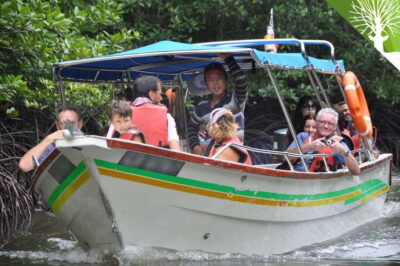
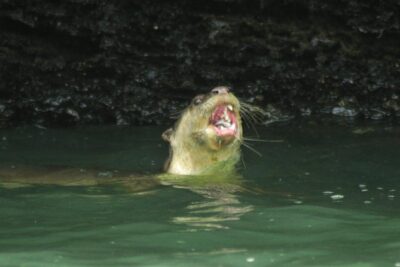
5 Hours Sharing Basis Kilim Mangrove Safari Boat Tour in Langkawi
Read our review →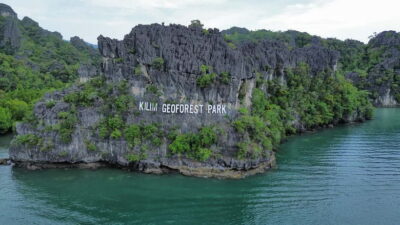

Bongawan River Cruise: Proboscis Monkey & Fireflies Mangrove
Read our review →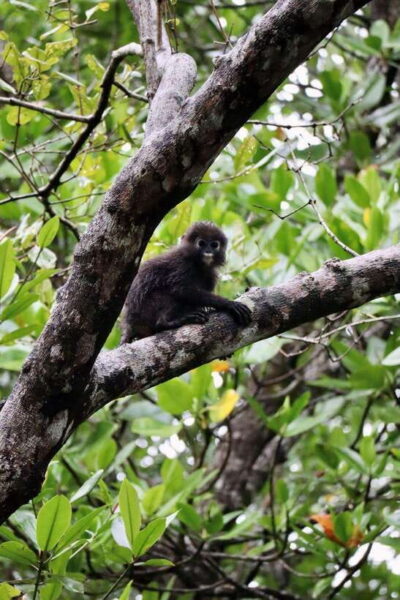
5 Hours Kilim Mangrove Kayaking Sharing Tour (With Hotel Pickup)
Read our review →Browse the lists this tour appears in