
Reviewed · STREET FOOD TOURS
Penang Island: Street Food Walking Tour
Penang eats early, and it does not apologize. This 3.5-hour Penang Island street food walking tour turns breakfast into a clear story of Georgetown, from the Chowrasta Market trade scene to the family-run stalls that still feed locals the same way. I like that you get real context, not just a list of foods.
I also love the hands-on moments, especially seeing how popiah skins are made by a master with a 50-year family legacy, then tasting the foods that shaped Baba and Nyonya life. One thing to consider: it is a walking tour, so pack comfortable shoes and an umbrella, and note it is not listed as suitable for people with a cold (and there’s also a mobility note you should confirm with the operator).
In This Review
- Key things to know before you go
- Chowrasta Market, where Penang trade still shows up
- Ngor Ka Sai and the kopitiam stop that makes sense
- Nutmeg jeruk: the pickles that wake up your appetite
- Durian dodol: sticky-sweet, king-of-fruits style
- Popiah skins made by a master with a 50-year family legacy
- Georgetown Heritage Zone walk, street art and old-city details
- Asam Laksa tastes like Penang, not a copy
- Moh Teng Pheow Nyonya Koay, Michelin-listed Nyonya culture made edible
- Price and value: why $75 can actually feel fair
- What you should bring (and what can ruin the day)
- Who this tour fits best
- Should you book the Penang Island Street Food Walking Tour?
- FAQ
- Where does the tour start?
- How long is the Penang Island street food walking tour?
- What is included in the $75 price?
- What should I bring for the walk?
- How big is the group?
- Is it suitable for mobility needs or if I have a cold?
Key things to know before you go
- Chowrasta Market first: You start at a market that has been feeding Georgetown since the 1890s.
- Kopitiam culture is the backbone: You try local drinks like Ngor Ka Sai, coffee mixed with Milo.
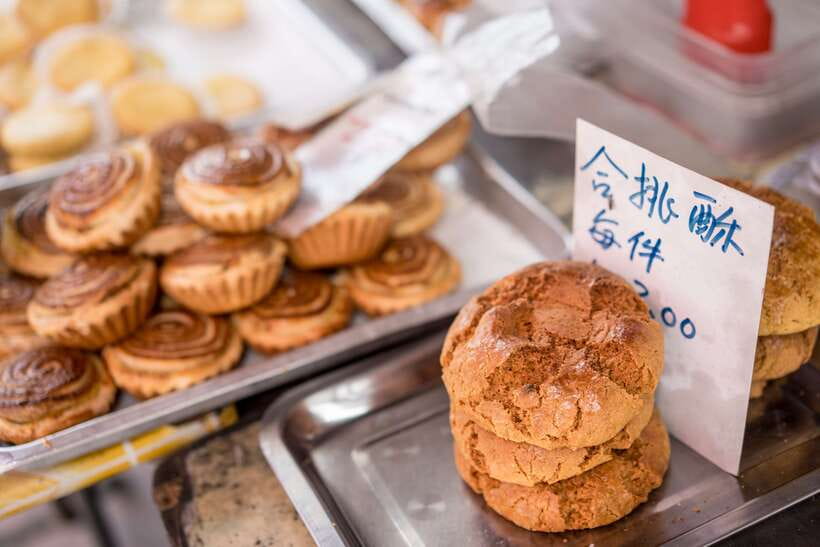
- Nutmeg jeruk and durian dodol: Sweet, sour, and sticky in all the right ways.
- Popiah skills, not shortcuts: Watch a maker with a 50-year family legacy handle the process.
- Asam Laksa, Penang-style: You taste the balance that Penang does differently from KL.
- Moh Teng Pheow, Michelin-listed Nyonya: You learn what Nyonya kuey means and why it developed.
Chowrasta Market, where Penang trade still shows up
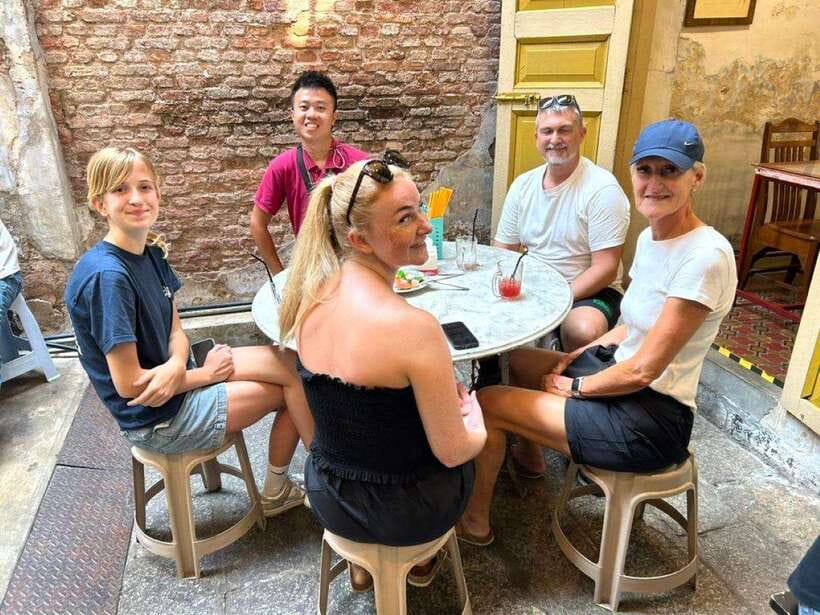
Your morning starts at Chowrasta Market. This is Penang’s original meeting point for commerce, and the atmosphere tells you why it matters. You arrive to that morning buzz where vendors chat in a mix of Hokkien, Malay, and Tamil, and you can feel how different communities learned to live alongside each other through food.
What I like here is the timing and the setting. Eating street food works best when you understand what shaped it. Chowrasta Market is the physical reminder that Penang is not one cuisine. It is Malay, Chinese, and Indian communities influencing each other, then turning those influences into local favorites.
You will also hear about kopitiam culture, Penang’s coffee shop tradition. That matters because many of the foods you taste later feel like they belong to this same world of casual mornings, quick plates, and strong flavors.
More Food Tours in Penang
- Penang Plates Food Tour with 15+ Tastings
★ 4.9 · 734 reviews - Good Morning Penang Food Tour with 15+ Tastings
★ 5.0 · 148 reviews - Penang: Trishaw Ride and Hawker Center Food Tour
★ 4.3 · 20 reviews
Ngor Ka Sai and the kopitiam stop that makes sense
After you get your bearings, you move into the kopitiam rhythm. The tour includes a taste of Ngor Ka Sai, a local coffee mixed with Milo. It sounds unusual until you try it, and then the combination starts to make practical sense. Penang coffee culture loves depth, and Milo brings sweetness and chocolatey body that softens the edges of the coffee.
This stop is more than a sample. It trains your palate. Once you taste that coffee-malt sweetness, the next bites feel like they are playing off the same idea: bold flavor, not shy flavor.
If you are the type who worries about sweet drinks, do not skip this. Start with a small sip, then adjust how you handle the next items. The guide does a good job pacing it so you are not overwhelmed.
Nutmeg jeruk: the pickles that wake up your appetite
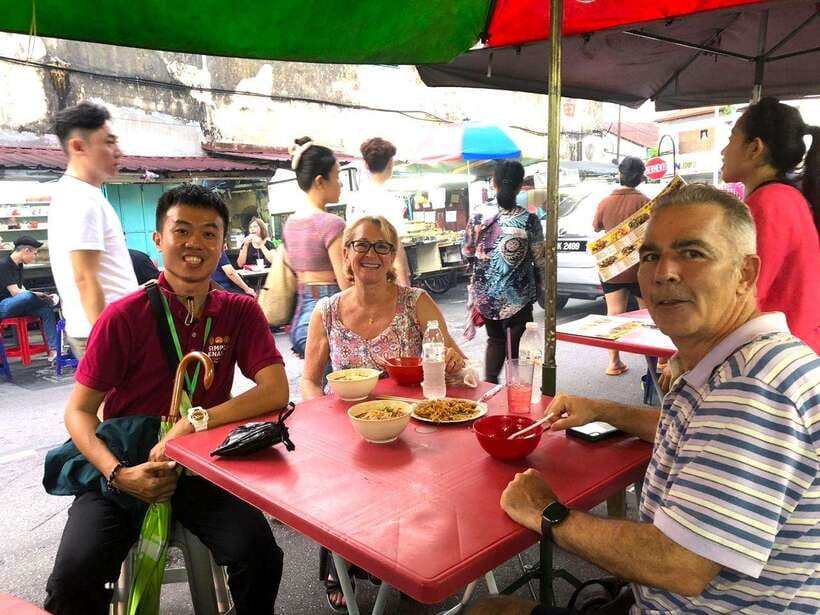
Then comes a signature Penang move: nutmeg jeruk. Jeruk is pickled fruit or vegetables, usually bright and sharp. Here it is nutmeg-forward, with that warm, aromatic kick that cuts through your taste buds fast.
I love pickles that do more than just add salt. Nutmeg jeruk feels like a palate switch. One bite wakes up everything, and suddenly the later savory and creamy flavors make more sense.
Also, it is a great example of how Penang uses flavor contrasts. You get sour and aromatic first, then the tour shifts toward richer textures and sweet notes. It keeps you interested.
Durian dodol: sticky-sweet, king-of-fruits style
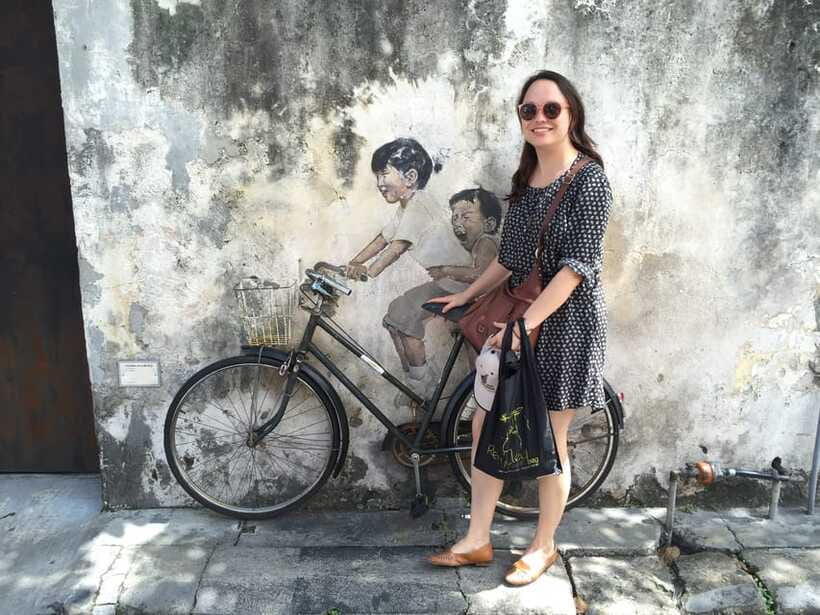
Next is durian dodol, a traditional confection. If you think durian only belongs in creamy desserts, this is a reminder that durian can be cooked down into something sticky and sweet that holds its character.
The tour frames it as a heritage tasting, not just a novelty. Durian dodol gives you a texture lesson. It is the kind of candy that clings, sits on your tongue, and lingers just long enough to make you pay attention.
If you do not love durian, you still should try it. This is how you learn the difference between a “smell” reaction and an actual flavor experience. And because it is part of a sequence, you taste it after pickles, so it feels more balanced than if it were served alone.
More Street Food Tours in Penang
- George Town: Heritage Walking Tour with Street Food Tasting
★ 4.7 · 6 reviews - Eat Like A Local: Penang Street Food Tour
★ 5.0 · 93 reviews - Private Half Day Penang Tasty Local Street Food Tour
★ 4.1 · 48 reviews - Back of the Bike Street Food Experience – Real Penang!
★ 5.0 · 27 reviews
Popiah skins made by a master with a 50-year family legacy
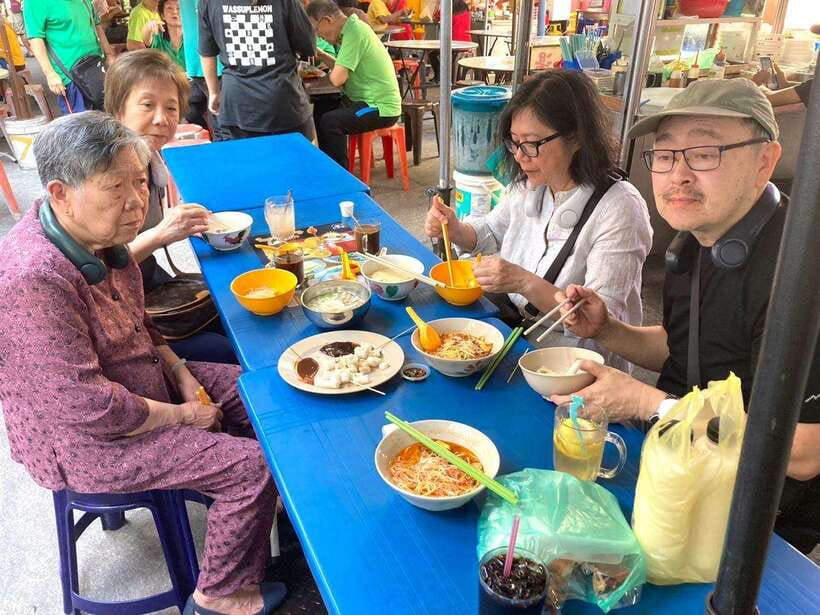
This is one of the tour highlights for a reason: you watch the process. A master demonstrates handmade popiah skins, and the family legacy is 50 years. That kind of detail matters, because popiah is not just food. It is a craft.
You will see how skilled handling and timing create thin wrappers that can hold fillings without tearing. Watching it adds respect to every bite you eat later, even if you have had popiah before.
Practical tip: be ready to look closely, but also be ready to stand comfortably. This segment is more focused than the market wandering, and you will want your feet under you.
Georgetown Heritage Zone walk, street art and old-city details
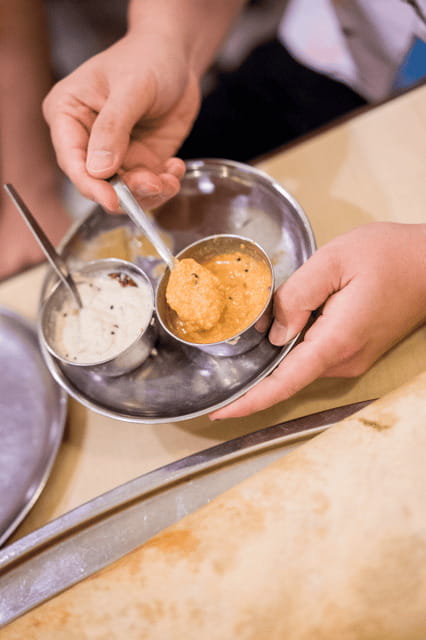
After the food stops, you start walking through the Georgetown Heritage Zone. This is when the tour shifts into “how Penang looks” mode, so the flavors stick in your memory tied to place.
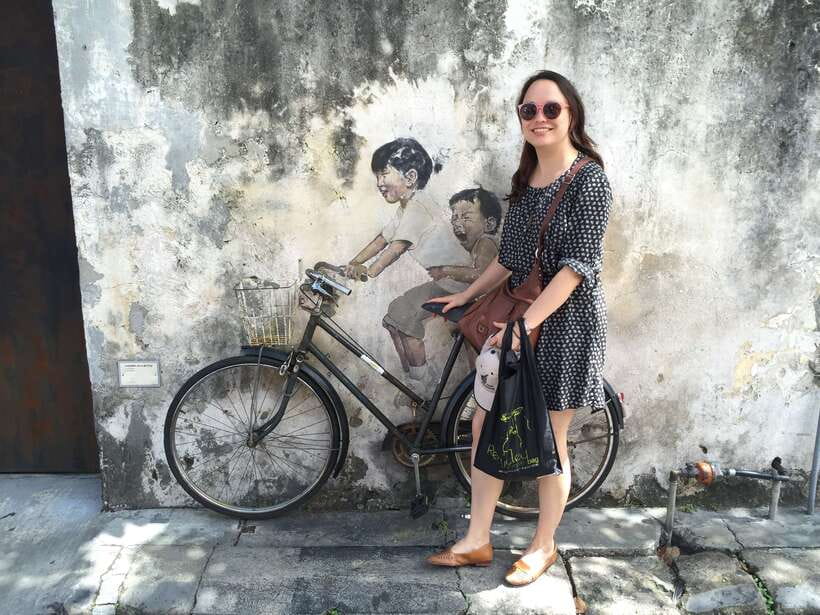
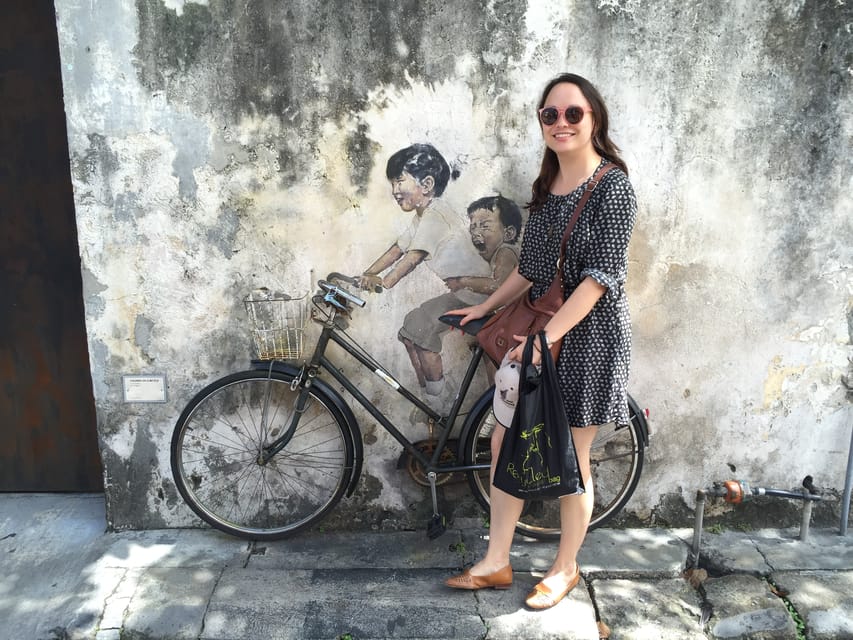
You pass temples, mosques, and churches along Harmony Street. It is a quiet but clear visual reminder of the coexistence that made this food culture possible. You also see Ernest Zacharevic street art murals and iron-rod sculptures by local artists. These are not random decorations. They are part of Georgetown’s identity as a living, creative city.
The oldest fire station in town also comes into the picture. Again, not food, but it reinforces the same theme: Penang has long been a port city where different people, different needs, and different neighborhoods shaped what exists today.
If it rains, you will likely still be moving between points, so umbrella time is real. Penang weather can be quick to change.
Asam Laksa tastes like Penang, not a copy
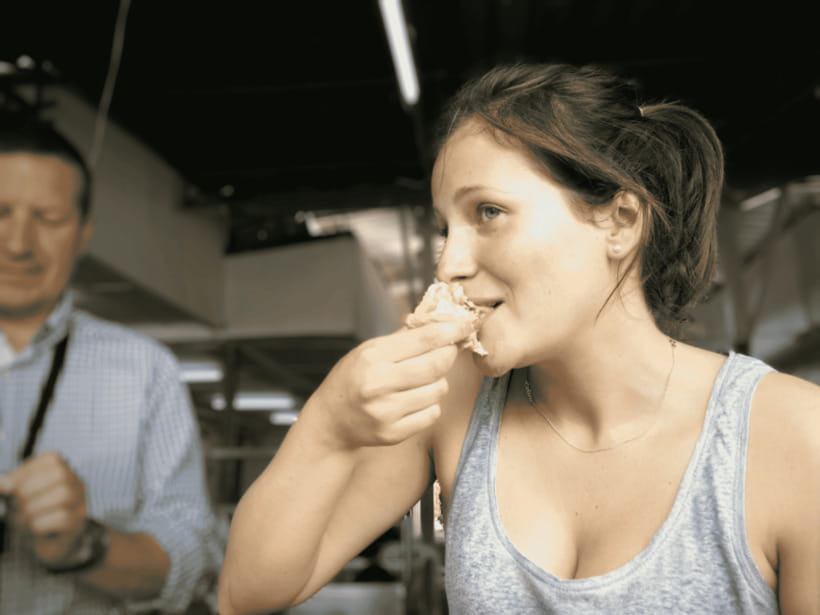
One stop focuses on asam laksa, and the tour makes an important distinction: Penang’s asam laksa is perfectly balanced in a way that differs from KL.
So what does that mean for your taste? You are looking for sweet, sour, and savory in harmony. The goal is not overpowering tartness or a single-note broth. Penang style leans into that layered balance so each spoonful feels complete.
What I like about this stop on a walking tour is that you get to compare it in your own head. Even if you have never tried KL asam laksa, you can recognize when something is designed for balance rather than just intensity. That’s what Penang does here.
If you are heat sensitive, ask how spicy it will be before you take your first bite. The guide helps keep you comfortable, and your appetite stays on track for the next flavors.
Moh Teng Pheow Nyonya Koay, Michelin-listed Nyonya culture made edible
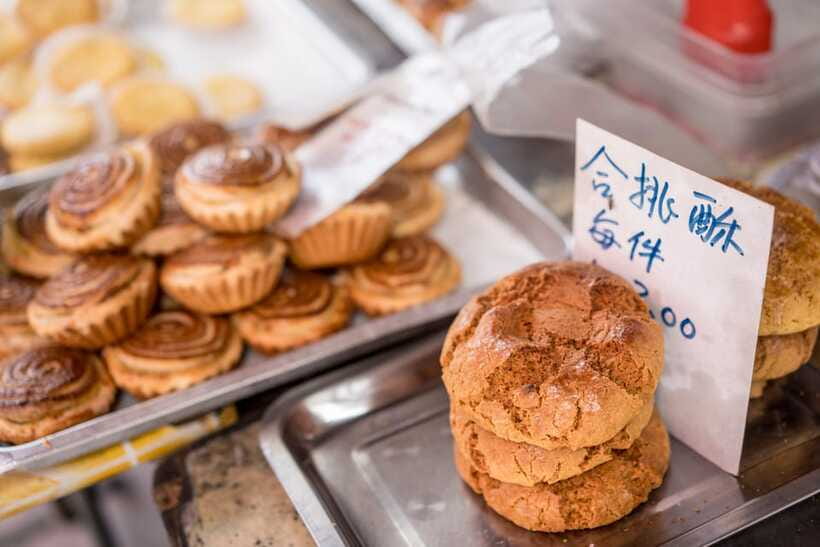
You end up at Moh Teng Pheow Nyonya Koay, a Michelin-listed cafe. This is where the tour’s cultural teaching becomes very concrete through food.
You learn about Nyonya culture, specifically how Baba and Nyonya communities formed through Chinese-Malay fusion. Then you taste kuey in different forms, and the guide explains what kinds of things fall under that umbrella: cakes, dumplings, puddings, and pastries.
One especially meaningful detail is that some recipes are said to remain unchanged since 1933. I like food heritage stories best when they do not feel like museum talk. Here, the tour makes the timeline feel connected to daily eating, not just history pages.
If you prefer sitting breaks, this stop gives you that. You can slow down, digest, and connect the earlier market flavors to the refined Nyonya kitchen style.
Price and value: why $75 can actually feel fair
At $75 per person for 210 minutes, this is not a bargain snack crawl. But it also is not a “pay for a vague stroll” tour. Here is where the value comes from.
You get:
- A licensed English-speaking guide who shares Malaysia’s story, not just food tips.
- Food and drinks at selected family-run stalls, not random tourist portions.
- Cultural context so the flavors make sense, especially for Peranakan Nyonya dishes and the kopitiam tradition.
You also get a small group size, limited to 9 participants. That matters because you are walking through tight streets and active stalls. Smaller groups mean less waiting, more attention, and more chance to ask questions.
If you like food, Georgetown culture, and you want more than “try this, then that,” this price is easier to justify. If you only want huge quantities of food, you might feel you wanted more. The tour is clearly built for quality and pacing, not overeating.
What you should bring (and what can ruin the day)
Keep it simple. Bring:
- Comfortable shoes
- Umbrella
- Water
- Breathable clothing
Skip large bags. The tour does not allow luggage or large bags, so plan to travel light.
Also, take the cold warning seriously. The tour notes it is not suitable for people with a cold. If you are prone to getting sick easily, protect yourself, and if you are currently sick, consider rescheduling.
Who this tour fits best
This works especially well if you:
- Want Penang street food with context, not just taste tests
- Like walking but not long hikes
- Enjoy Peranakan Nyonya culture, kopitiam coffee culture, and classic local flavors
- Prefer small group attention over large crowds
It may be less ideal if you:
- Have a cold
- Have mobility limits, since it is listed as wheelchair accessible but also notes it may not suit people with mobility impairments, so you should confirm the route details ahead of time
Should you book the Penang Island Street Food Walking Tour?
I think you should book this if you want Georgetown to feel like a real place, not a checklist. Starting at Chowrasta Market is a strong move, and the combination of nutmeg jeruk, durian dodol, popiah skin craft, and asam laksa gives you the full “Penang flavor story” arc. Add the Michelin-listed Moh Teng Pheow Nyonya Koay stop, and you get culture you can actually taste.
If your priority is only maximum volume of food, you might be happier with a more food-heavy crawl. But if you care about why dishes exist, how communities mixed, and how the city’s street art and heritage landmarks connect to your meal, this is a smart way to spend 210 minutes in Penang.
FAQ
Where does the tour start?
The tour starts at Chowrasta Market, the oldest market in Penang. Arrive about 15 minutes early.
How long is the Penang Island street food walking tour?
It runs for 210 minutes, about 3.5 hours.
What is included in the $75 price?
The price includes a local guide, food and drinks at selected family-run stalls, and cultural context to help you understand what you are tasting.
What should I bring for the walk?
Bring comfortable shoes, an umbrella, water, and breathable clothing.
How big is the group?
The group is small, limited to 9 participants.
Is it suitable for mobility needs or if I have a cold?
It is listed as wheelchair accessible, but it also notes it is not suitable for people with mobility impairments. It is also not suitable for people with a cold, so you should consider your condition before booking.
More Street Food Tours in George Town Malaysia
- The 10 Tastings of Kuala Lumpur With Locals: Private Street Food Tour
★ 5.0 · 249 reviews - Kuala Lumpur Local Street Food Private Walking Tour by Night
★ 4.5 · 224 reviews - Eat Like a Local: Kuala Lumpur Hawker Center and Street Food Tour by Night
★ 5.0 · 198 reviews - Kuala Lumpur: Local Street Food Night Tour
★ 4.5 · 162 reviews
More Food Tours in George Town Malaysia
- Penang Local Food Hunting
★ 5.0 · 10 reviews - George Town: Authentic Food Tour with 12+ Tastings
★ 4.7 · 7 reviews - Sambal Streets Kuala Lumpur Food Tour with 15+ Tastings
★ 5.0 · 2,438 reviews - Kuala Lumpur: Sambal Street Food Tour with 15+ Tastings
★ 4.9 · 1,657 reviews
Just published around George Town Malaysia
- Penang: Wonderfood Museum Entry Ticket★ 4.8 · 7 reviews
- Penang: Private Highlights Tour with Temples, Hill & Gardens★ 5.0 · 5 reviews
- Penang Local Food Hunting★ 5.0 · 10 reviews
- Penang: Private Customized Flexible Tour with Tourist Guide★ 5.0 · 19 reviews
- Penang: ATV Ride in Balik Pulau with Snacks and Transfers★ 4.6 · 13 reviews
- George Town: Authentic Food Tour with 12+ Tastings★ 4.7 · 7 reviews
- George Town: Heritage Walking Tour with Street Food Tasting★ 4.7 · 6 reviews
- George Town: 5-Hour Penang Island City Tour★ 4.8 · 24 reviews
Street Food Tours, compared.
The 10 Tastings of Kuala Lumpur With Locals: Private Street Food Tour
Read our review →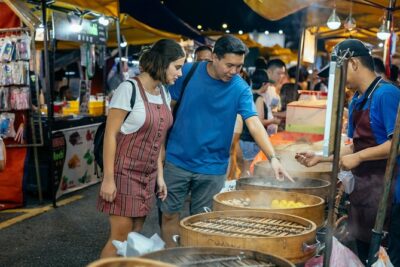
Kuala Lumpur Local Street Food Private Walking Tour by Night
Read our review →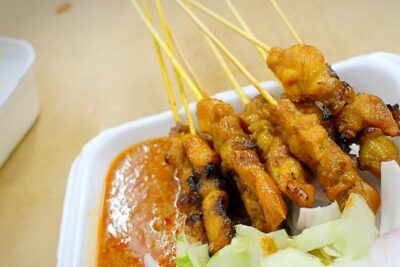
Eat Like a Local: Kuala Lumpur Hawker Center and Street Food Tour by Night
Read our review →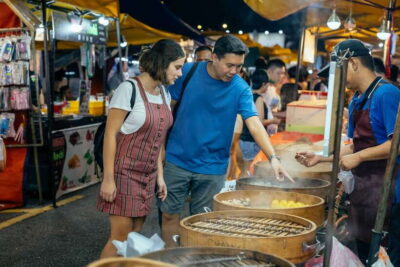
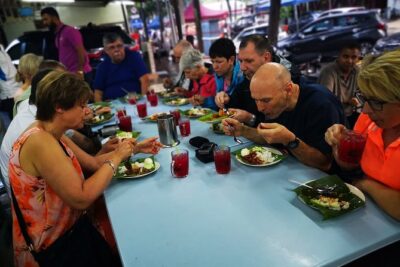
Authentic Malaysian Street Food Tour With 15+ Tastings Near KLCC
Read our review →Browse the lists this tour appears in