
Reviewed · NATIONAL PARKS
Bako National Park
Jungle feet and salt air, same day. At Bako National Park in Sarawak, you trade Kuching roads for primary rainforest, then shift to coastal scenery at sea stacks that formed through millions of years of erosion.
I especially liked the way Asni Tours builds the day around a local guide and a proper boat run to the park. I also loved the scale of the place: just 16 square kilometers, yet seven ecosystems that change how the forest feels from one trail to the next.
One consideration: this trip is very much tide-dependent, so the timing and what you can comfortably reach may be influenced by water levels. Also, there are no included meals, so you’ll need to budget for lunch at the Bako canteen.
In This Review
- Key Highlights You Should Care About
- Morning Departure From Kuching: How the Day Gets Off the Ground
- Arriving at Bako National Park HQ, and Why This Park Feels Different
- Rainforest Trekking: Dense Trails, Hidden Routes, and Real Progress
- Wildlife Odds: What You Can Expect, and What You Shouldn’t Promise Yourself
- Lunch at Bako Canteen: Budget Time, Not Just Money
- Sea Stacks and the Coastline Story: What Those Rocks Actually Mean
- The Tide Factor: How Water Levels Change Your Walk
- Boat Trip to the Park: The Part You’ll Probably Miss First
- What’s Included, What’s Not, and Where the Real Value Lives
- What to Bring: The Small Stuff That Prevents a Bad Day
- Getting the Most From Your Guide and Your Time
- Price and Logistics: When $179 Feels Like a Win
- Who This Trip Fits Best (And Who Might Want to Skip It)
- Should You Book Bako National Park With Asni Tours?
- FAQ
- What time does the tour start?
- How do you get from Bako village to the park headquarters?
- Are meals included in the tour price?
- Is the tour affected by water tide?
- What is included in the price?
- What should I bring for the trip?
- Is the tour offered in English, and can children join?
Key Highlights You Should Care About
- Tide-dependent access, meaning your timing matters and nature sets the agenda
- Seven ecosystems in one compact park, so trails feel different fast
- Boat ride to the headquarters area, a big part of why the park experience works
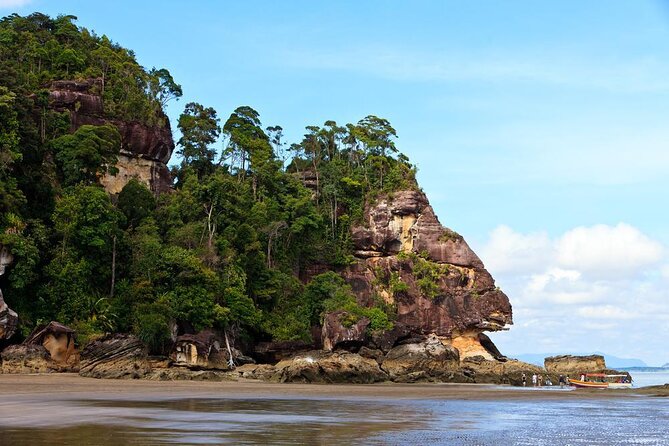
- Sea stacks shaped by erosion, the coastline’s long story told up close
- High satisfaction with guide quality, including locals who know what to look for
Morning Departure From Kuching: How the Day Gets Off the Ground

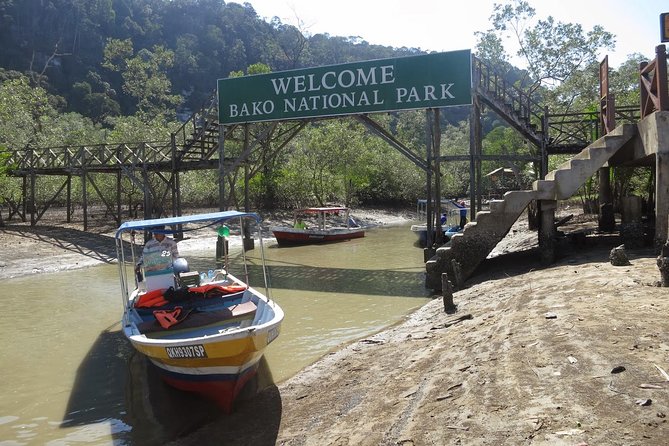
Your day starts with an 8:00 AM departure to Bako National Park. The drive takes you out to the fishing village of Bako, where you hop onto a boat for the next leg.
Once at Bako village, plan on about 30 minutes by boat to reach the park headquarters area. This is more than a transfer. The boat segment sets expectations: you’re not doing a cookie-cutter zoo walk. You’re entering a working rainforest coastline system where water, shore, and trail all connect.
If you like a clear plan, this route helps. You’ll have structured time for the park, a meal stop, and a sea stack visit before returning to Kuching.
More National Park Tours in Kuching:
- Night Froggy Adventure at Kubah National Park
★ 5.0 · 71 reviews - Bako National Park
★ 4.5 · 18 reviews - Night Frogs Tour at Kubah National Park
★ 5.0 · 17 reviews
Arriving at Bako National Park HQ, and Why This Park Feels Different
Bako is one of the oldest gazetted national parks in Sarawak. That matters because it’s been used as a living introduction to local wildlife and plant life for a long time.
At the headquarters area, you get your first sense of the park’s layout. The featured focus is primary forest and a tight mix of habitats. In just 16 square kilometers, you’re moving through seven distinct ecosystems, including beach vegetation, cliff vegetation, mangrove, peat swamp forests, mixed dipterocarp forest, heath forest, and grasslands.
Here’s why that’s valuable for you: it changes what you notice while you walk. Instead of one “generic jungle” feel, you’re likely to see different textures, different undergrowth, and different ways the forest meets the coastline.
Rainforest Trekking: Dense Trails, Hidden Routes, and Real Progress

The core of this experience is trekking through the park’s rainforest and finding the spots that the trail system allows. The route includes hidden trails and dense jungle stretches, so wear shoes you trust.
You’ll be walking in conditions that can shift quickly. The park is described as having constant erosion along the coast, and the ecosystems include mangrove and peat swamp areas. That combination usually means muddy patches, wet ground, and slippery sections are possible, depending on weather and tide.
What I like about this trekking style is that it doesn’t ask you to rush. Instead, it gives you time to slow down and look around. And if you’re the type who enjoys spotting birds, insects, and smaller rainforest life, you’ll likely get more out of it than you would on a surface-level hike.
Wildlife Odds: What You Can Expect, and What You Shouldn’t Promise Yourself
This trip is built around guided exploration, and the wildlife focus is part of the appeal. Some people have reported seeing a lot of park wildlife on the day.
Still, I’d treat wildlife sightings as a probability, not a guarantee. One of the lower ratings complained about limited monkey sightings on the day and felt that certain expectations were not met. That doesn’t mean the park is “bad.” It means the forest is not a theme park, and animals decide where they are based on time of day and conditions.
So here’s your best move: focus on the habitat and the patterns, not on a checklist. If you get even a few good sightings, plus close views of how the ecosystems work, the day still pays off.
Tip that keeps you sane: let your guide set the pace and the search plan. If the trail goes quiet, keep walking. In a rainforest, the interesting stuff often shows up when you least expect it.
A different sort of day out in Malaysia:
- Half-Day Heritage Bike Tour in Kuching
★ 5.0 · 162 reviews - Semenggoh Orangutan Centre from Kuching
★ 4.5 · 53 reviews - Fun Filled Kayaking Adventure in Kuching
★ 5.0 · 40 reviews - Semenggoh Wildlife Centre Tour: Discover Sarawak’s Orangutans
★ 5.0 · 34 reviews
Lunch at Bako Canteen: Budget Time, Not Just Money
Lunch is served at Bako Canteen, but it’s explicitly guest expense. That’s important for planning your day and your budget.
If you tend to eat lightly on hikes, you may still want to pack or plan your appetite. You’ll be in an environment where you can’t just duck into a convenience store if you get hungry. The canteen stop is your meal anchor.
Also, if you’re photographing a lot, you’ll burn time in the best way. So think of lunch as a reset, not just food. Give yourself a short break to drink water, wipe down your hands with sanitizer or tissues, and recharge for the sea stack leg.
Sea Stacks and the Coastline Story: What Those Rocks Actually Mean
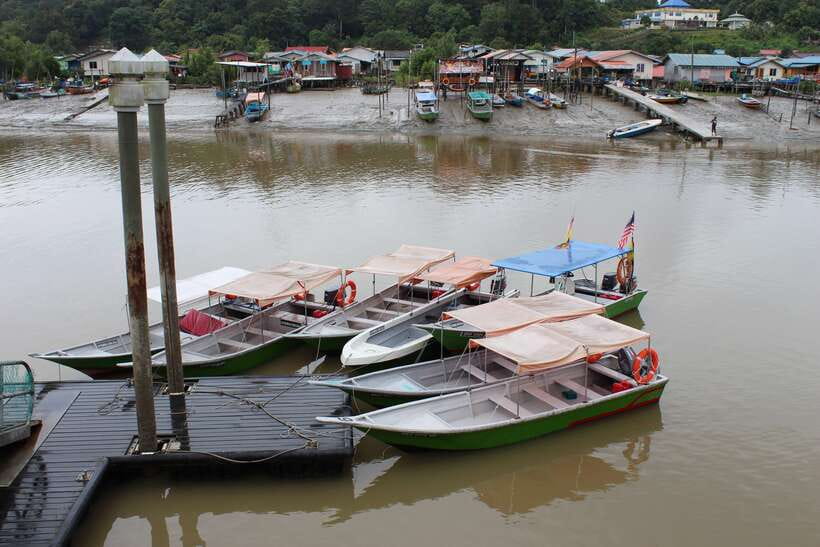
After lunch, the day goes on to the famous sea stack area before returning to Kuching.
Sea stacks are rock formations shaped by long-term erosion. The park description points out that these were once more complete rock formations, and over millions of years they collapsed into the stacks you see today. Constant coastal erosion is the reason the Bako coastline looks the way it does.
Why this matters to your experience: it turns the coastline from scenery into a lesson you can look at. You’re not just taking photos of rocks. You’re seeing geology you can connect to time.
If you care about pictures, this is where your camera earns its keep. The sea stacks typically give strong shapes and textures against the sky and shoreline. Bring sunscreen and a hat, because coastal light can be intense even when the forest feels cooler.
The Tide Factor: How Water Levels Change Your Walk
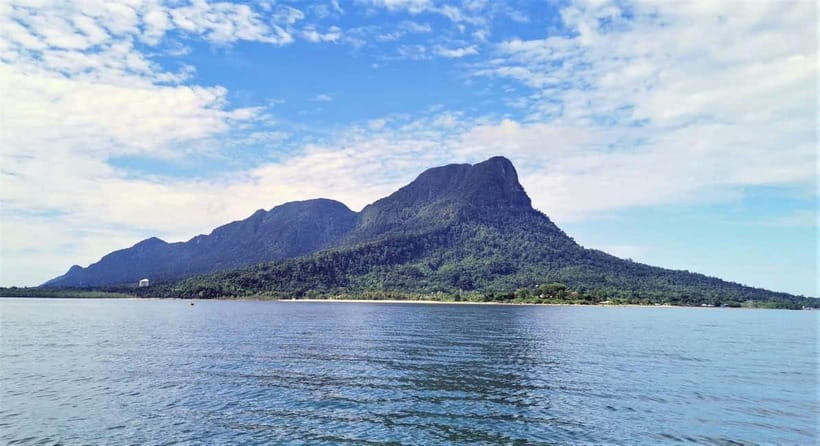
One of the most practical things to know is that the tour depends on the water tide. That’s not just trivia. Tide conditions can influence when you can move comfortably near certain coastal edges, and they can affect how the guide plans your route.
In real terms, this means you should avoid over-scheduling yourself right before or after the tour. If your entire day depends on strict timing, tide-based adjustments can feel stressful.
Instead, treat tide as part of the adventure. This is a rainforest meeting the sea. If the sea says not yet, you wait and keep moving in the areas the guide recommends.
Boat Trip to the Park: The Part You’ll Probably Miss First
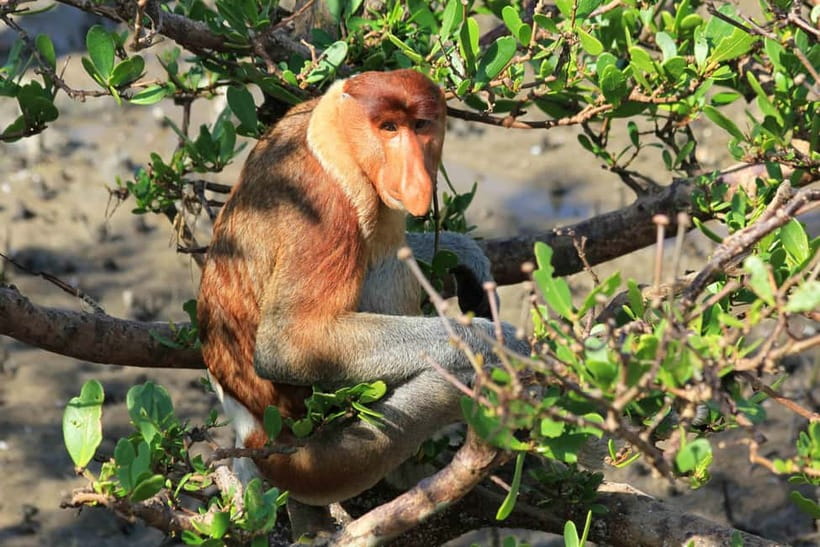
Many people rate the boat trip as a standout. That makes sense, because the water leg changes your perspective fast. From the boat, you can get a wider view of the coastline and the forest edges before you ever start trekking.
It’s also where you can settle in mentally. Once you’re in the park, your senses go full-on. You start watching trunks, leaf shapes, movement in the undergrowth, and anything the guide points out.
If you like comfortable logistics, this part helps too. You’re not piecing together transport. The tour includes guide and boat fee, plus transportation during the day in an air-conditioned vehicle.
What’s Included, What’s Not, and Where the Real Value Lives
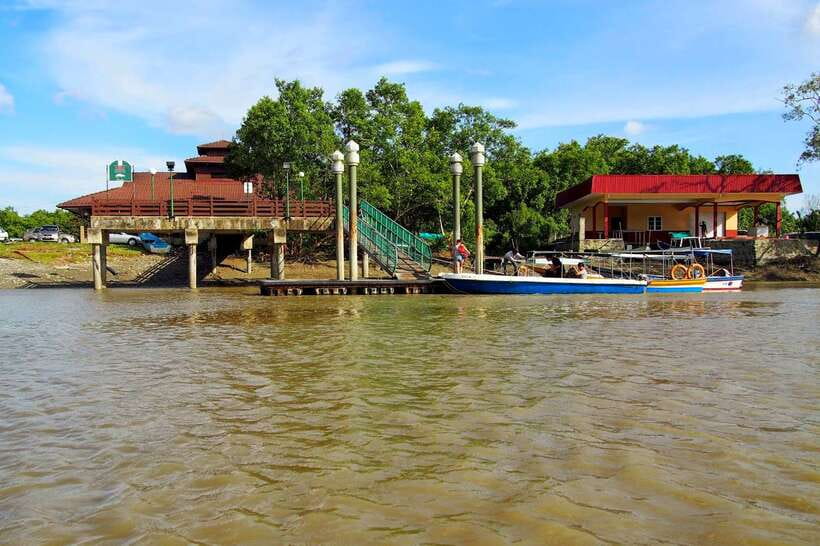
The price is $179 per person, and the value comes from bundled logistics plus a guided nature experience.
Included:
- Entrance fee to Bako National Park
- Guide and boat fee
- Transportation during the tour
- Air-conditioned vehicle
Not included:
- Meals
So the trade looks like this. You’re paying for a day that covers entry, guidance, and the park transport puzzle, plus the boat run that gets you into the right zone. You’re not paying extra for basic operations you’d otherwise have to coordinate yourself.
For your money, the biggest value is usually the guide. In the feedback, the guides are repeatedly praised for being local, passionate, and professional. That kind of guidance matters in a rainforest. If you only had a map, you might spend a lot of time staring at trees and calling it research.
Also, no meals are included, so plan for lunch at the canteen. Build that cost into your total budget, and you’ll avoid surprise spending.
What to Bring: The Small Stuff That Prevents a Bad Day
Bako’s comfort comes down to preparation. The required and recommended items are pretty standard for rainforest trekking, but they are not optional in practice.
Bring:
- Umbrella
- Camera
- Comfortable clothes
- Hand sanitizer or tissues
- Sun hat
- Sunscreen
- Insect repellent
- Rain gear
You also need trekking shoes you can trust. The trip specifically notes that an umbrella or poncho, a hat or cap, and good trekking shoes are required.
I’d add one mindset note: the rainforest day can be damp, even if the weather looks fine at the start. If you treat rain gear as a backup instead of a must, you’ll probably end up using it anyway.
Getting the Most From Your Guide and Your Time
This tour is designed to get you moving through multiple habitats and down to the sea stack area. To make the day work for you, you’ll want to follow a simple routine.
- Wear your trekking shoes the moment you leave the vehicle.
- Keep your camera ready for quick moments, but don’t forget to look with your eyes first.
- Ask the guide where to focus. In jungle conditions, your attention gets split fast.
The reviews strongly point to guide quality. One standout comment described the guide as local and passionate, with good wildlife spotting luck. Another praised complete jungle immersion with an expert guide and amazing boat trip time.
That combination is exactly what you should seek: someone who knows the park routes and who can explain what you’re seeing.
Price and Logistics: When $179 Feels Like a Win
At $179 per person, this isn’t a budget-only excursion. But it’s also not overpriced for what you’re getting: entry, a boat transfer, guided trekking through a national park, and transportation in an air-conditioned vehicle.
You’ll feel the price more if you measure it against a solo self-guided approach. But Bako is not the kind of place where a do-it-yourself day always works well. The tide factor and the need for good trail navigation increase the value of a guide.
One timing note from feedback: some people felt the plan around transfers could feel tighter than expected. So do yourself a favor. Confirm the start time and build in cushion. If your Kuching day has zero slack, you might end up feeling rushed.
Who This Trip Fits Best (And Who Might Want to Skip It)
This is a strong fit if you like:
- Guided nature walks with real terrain
- Photo time that includes wildlife possibilities
- A day structured around a park, not just transport and views
It may not be ideal if:
- You need guaranteed animal sightings, like monkeys on cue
- You get upset when water levels affect timing
- You can’t handle walking on uneven ground
It’s also a good choice for adults who enjoy being outdoors for a few hours. For families, note that children must be accompanied by an adult.
Should You Book Bako National Park With Asni Tours?
If you want a guided rainforest day that ends with coastal geology and a boat back toward Kuching, I think this booking is a solid call. The best part is the combination: park trekking with a guide plus a sea stack payoff that isn’t just scenery.
Book it if you’re flexible with tide conditions and you’re comfortable walking in a rainforest environment. Bring the required footwear and rain protection, and budget for lunch at the Bako canteen.
Skip or reconsider if your main goal is a specific animal encounter, because wildlife is never something you can force in the jungle. Also, if you hate tide-based unpredictability, this kind of coastline park tour might feel annoying.
FAQ
What time does the tour start?
The tour starts at 8:00 AM and departs in the morning to Bako National Park.
How do you get from Bako village to the park headquarters?
It takes about 30 minutes by boat from the fishing village of Bako to the park headquarters area.
Are meals included in the tour price?
No. Meals are not included. Lunch is served at Bako Canteen, but it is for guest expense.
Is the tour affected by water tide?
Yes. The tour very much depends on water tide.
What is included in the price?
Entrance fee to Bako National Park, guide and boat fee, transportation during the tour, and air-conditioned vehicle are included.
What should I bring for the trip?
Bring an umbrella (or poncho), comfortable clothes, sun hat, sunscreen, insect repellent, rain gear, hand sanitizer or tissues, a camera, and good trekking shoes.
Is the tour offered in English, and can children join?
The tour language is English. Children must be accompanied by an adult.
Just published around Kuching
- Semenggoh Wildlife Centre: Orangutan Discovery from Kuching★ 4.5 · 8 reviews
- Semenggoh Orangutan Center & Sarawak Cultural Village★ 4.5 · 10 reviews
- Traditional Bidayuh Village Bamboo Longhouse Tour★ 3.5 · 6 reviews
- Sarawak Cultural Village Tour from Kuching★ 5.0 · 13 reviews
- Sarawak Sunset River Cruise with Return Transfer★ 4.0 · 5 reviews
- Sarawak Cultural Village Tour★ 4.5 · 6 reviews
- Sarawak Cultural Village Tour from Kuching★ 5.0 · 12 reviews
- Semenggok Wildlife Centre★ 3.0 · 5 reviews
National Parks, compared.


Taman Negara National Park Day Tour (SIC – Join In Tour)
Read our review →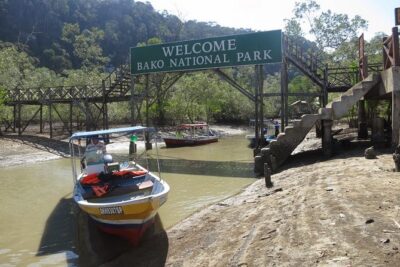

Private Desa Dairy Farm, Kinabalu National Park, Hot Spring & Canopy Walk Tour
Read our review →Browse the lists this tour appears in