
Reviewed · MUSEUMS
Asia Camera Museum Admission Ticket
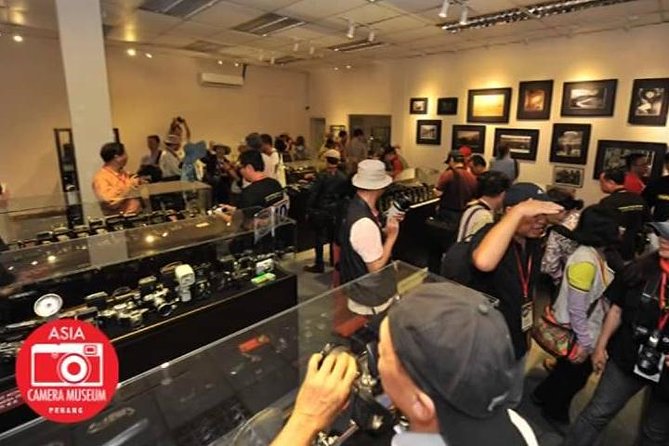
Old cameras, real magic, and a dark room. At the Asia Camera Museum in George Town, I love the Magic Lantern display, with its hand-painted glass slide and projector logic you can watch up close, plus chances to try vintage cameras yourself.
If you care about how images become photos, the guide May makes it feel clear and fun, especially the dark room set up for film development lessons and the hands-on camera moments for phone photos. The only drawback is the visit is short, about 30 minutes to 1 hour, so you should treat it like a focused stop, not an all-afternoon wander.
In This Review
- Key Highlights You Should Not Miss
- Asia Camera Museum in George Town: Why This Stop Feels Different
- Tickets and Value: Is $6.52 Worth It?
- Hours, Timing, and How to Plan Your Visit
- Entering the Museum: The Flow of What You’ll See
- The Magic Lantern and Silent Movie Projectors: Early Picture Shows Up Close
- The Dark Room Area: How Film Development Was Taught
- Camera Repair Work Place: Tools From the 1960s That Kept Cameras Alive
- Hands-On Cameras: Touching the Gear (and Getting Phone Photos)
- Over 1,000 Cameras and Accessories: Why the Collection Size Matters
- Practical Stuff You’ll Be Glad You Noticed
- Who Should Book This Museum Admission?
- Should You Book This Asia Camera Museum Ticket?
- FAQ
- How much is the Asia Camera Museum admission ticket?
- How long does the visit take?
- What are the opening hours?
- What is included with the ticket?
- Is food or drinks included?
- Is hotel pickup or drop-off included?
- Do I need to print my voucher?
- Is the museum near public transportation?
- What is the maximum group size?
- Can I get a refund if I cancel?
Key Highlights You Should Not Miss
- Magic Lantern projector with hand-painted glass slides that shows how early picture shows worked
- A silent movie projector lit with an oil lamp and gear-powered setup
- Dark room experience focused on how films get developed, tied to early photography methods
- Camera repair work space with tools used to repair and restore mechanical cameras
- Hands-on vintage cameras you can touch, feel, and use for simple photo moments
- Over 1,000 cameras and accessories across historic and working displays
Asia Camera Museum in George Town: Why This Stop Feels Different
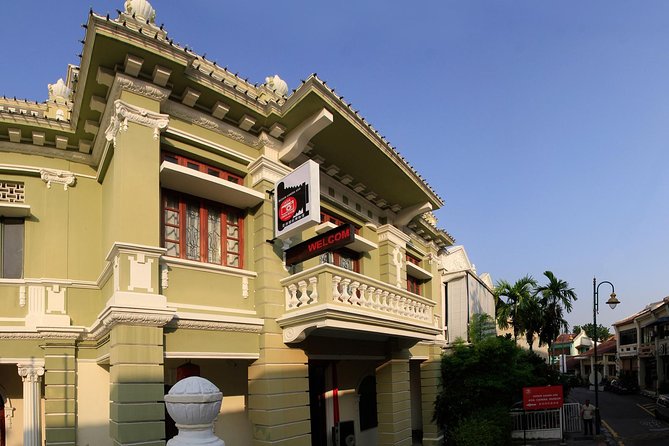
George Town is great for wandering, but this is one of those places where you actually get a hands-on education. The Asia Camera Museum is small enough to feel personal, yet packed with more than a thousand cameras and accessories. You go in for cameras, and you leave thinking about light, timing, and mechanics in a whole new way.
What makes it work is the mix of old artifacts and “try it” moments. You are not just reading labels. You can see how devices operate, then try basic photo actions using vintage equipment and phone setups.
More Museum Visits in George Town:
- George Town Highlights & Upside Down Museum tours (4 Hours)
★ 4.5 · 7 reviews - Quirky Art Museum called Ur-Mu in Bukit Bintang, KL
★ 5.0 · 49 reviews - Best of Kuala Lumpur City Tour Including National Museum and National Monument
★ 3.0 · 23 reviews
Tickets and Value: Is $6.52 Worth It?
At about $6.52 per person, this is priced like a practical local attraction, not a pricey “photo theme park.” And crucially, the admission ticket is included in what you pay, so you are not chasing extra add-ons once you arrive.
You also get a lot for the time. Expect 30 minutes to 1 hour. In that window you see historic projection tech, a dark room-style development area, a camera repair work space, and hands-on camera stations. For the money, that is strong value, especially if you enjoy learning by doing.
The group size is capped at 15 travelers, which usually means you get questions answered without the experience feeling rushed to the point of chaos.
Hours, Timing, and How to Plan Your Visit
The museum runs 10:00 AM to 6:00 PM, seven days a week. Those hours stay the same for both listed date ranges (2025 to 2026, and 2026 to 2027). So if you are building a day around George Town sightseeing, you can usually fit this in without stress.
A practical note: there is no hotel pickup or drop-off. You will need to get there on your own, but it is near public transportation, which helps a lot if you are moving around Penang on foot or by short rides.
Because the visit is brief, I suggest you treat it like a “core stop.” Go in when you are not too tired, and give the guide your attention. You will get more out of the projector and repair explanations if you are listening while looking.
Entering the Museum: The Flow of What You’ll See
Your tour focuses on the full path of photography technology, from picture shows to taking and developing images. It is not a random museum shuffle. The exhibits connect, so you start to recognize the same ideas across different eras.
You will move through the museum’s main zones, including historic projection gear, a dark room area, and a camera repair work place. Throughout, there are hands-on chances to touch vintage cameras and take simple photo moments, including phone photos through working old equipment.
One detail I really like is that the setup makes the devices feel operational, not decorative. The tools and machines are presented as things that once did real work.
A few more George Town trips worth comparing
- Penang Day Trip with Temple and Penang Hill Tickets (Fast Lane)
★ 4.5 · 10 reviews - Penang Rainbow Skywalk at The Top Komtar Observation Deck Tickets
★ 4.0 · 8 reviews - Kuala Lumpur: Petronas Twin Towers Entry E-Ticket
★ 4.6 · 1,229 reviews - Penang Hill Funicular Ticket
★ 4.0 · 527 reviews
The Magic Lantern and Silent Movie Projectors: Early Picture Shows Up Close
If you are the type who wonders how old entertainment actually worked, you will enjoy the museum’s projection displays. One standout is a rare Magic Lantern projector from the early 1900s paired with an antique large-format hand-painted glass color slide.
Watching these displays is useful because it connects art to engineering. You see how the image is created, how the slide is part of the show, and how the projection system turns static art into a moving experience.
The silent movie projector is another great tech moment. It uses a 35mm silent movie projector that is illuminated using an oil lamp and gear. That may sound like trivia, but it tells you something important about the era: light sources and mechanical motion were doing the heavy lifting long before modern bulbs and digital systems.
The Dark Room Area: How Film Development Was Taught
The museum includes a dark room experience tied to how photography began in the early 19th century. Even if you are not a photography nerd, this part can click fast, because it is built around the idea of development, the part most people never see.
This section is valuable because it explains photography as a process, not just a camera. You get to understand that taking the picture is only step one. After the shutter, you still need development.
I also appreciate that this area is included in the same ticket and visit. It helps the museum feel complete. You are not only looking at cameras as antiques, you are seeing how the system worked end to end.
Camera Repair Work Place: Tools From the 1960s That Kept Cameras Alive
One of the most interesting areas is the camera repair work place, set up around the tools used by a camera repairer in the 1960s. Mechanical cameras are full of tiny moving parts, so seeing the repair mindset helps you understand why these devices were both sturdy and delicate.
You can expect to find restoration and repair tools and demonstrations that focus on how mechanical cameras were fixed and maintained. If you like the idea of hands-on craftsmanship, this section lands well.
This is also where the museum feels authentic. It does not treat cameras like museum glass. It treats them like machines that need care. That mindset adds depth, especially after you see the projection equipment and development section.
Hands-On Cameras: Touching the Gear (and Getting Phone Photos)
A big part of why people love this museum is simple: hands-on matters. You get chances to touch and feel vintage cameras, instead of just staring at glass cases.
You can also take phone photos using functional old cameras. The experience is designed so you can get a playful, retro vibe without needing professional equipment. It is the kind of interaction that makes the history feel practical and personal.
If you are bringing a phone, charge it first and keep your camera ready. You will want it for these moments, and the visit is short enough that you do not want to waste time troubleshooting.
Over 1,000 Cameras and Accessories: Why the Collection Size Matters
The museum contains over 1,000 items and relevant accessories, which means you get more than one “highlight camera” and then done. You can spot differences in how cameras are built, how lenses are arranged, and how different eras solved the same problems.
That matters because it changes your understanding of “old camera” as one category. It is actually many different designs, each with its own approach to light and mechanics.
In a short 30 to 60 minute visit, the sheer number also keeps your attention. You will be surprised more than once, which is a nice change from museums where you only like a few things.
Practical Stuff You’ll Be Glad You Noticed
Here are a few details that make planning easier.
- Print your voucher: You will need to print your confirmation voucher to redeem your admission ticket(s) at the ticketing counters.
- No food included: Food and drinks are not part of the ticket, so plan a snack break elsewhere.
- No pickup or drop-off: You are responsible for getting there, but it is near public transportation.
- Short guided flow: Expect a guided route that covers a lot in a short time, which is great if you like structure.
Also, keep an eye on energy level. With the time window, you will enjoy it more if you are not rushing in from another long stretch of walking.
Who Should Book This Museum Admission?
You should book this if you like any of these:
- photography as a craft, not just a hobby
- old technology and how it works
- interactive museum stops where you actually try things
- small group experiences where you can ask questions (group size max is 15)
It is also a strong option if you want a break from typical city sightseeing. On a hot day, the museum’s focus gives you something cool and focused to do, and the mechanical displays are genuinely engaging.
If your travel style is all about long, self-paced wandering, this might feel short. But if you want a concentrated hit of projection, dark room development, and camera repair, it fits perfectly.
Should You Book This Asia Camera Museum Ticket?
Yes, if you want a compact, hands-on museum experience in George Town that mixes Magic Lantern projection, a dark room development area, and a camera repair work place you can see in action. The value at $6.52 is hard to beat for a ticket that includes admission plus interactive time with working vintage gear.
Skip it only if you are not interested in photography at all, or if you prefer long, free-roam museum sessions. For most people who enjoy how things work, this is the kind of stop that leaves you talking about cameras on your next walk through town.
FAQ
How much is the Asia Camera Museum admission ticket?
The price is listed as $6.52 per person.
How long does the visit take?
The duration is approximately 30 minutes to 1 hour.
What are the opening hours?
The museum is open 10:00 AM to 6:00 PM daily (Monday through Sunday) for both listed date ranges.
What is included with the ticket?
The ticket includes admission to the Asia Camera Museum.
Is food or drinks included?
No. Food and drinks are not included.
Is hotel pickup or drop-off included?
No. Hotel pick-up and/or drop-off are not included.
Do I need to print my voucher?
Yes. You will be required to print your confirmation voucher to redeem your admission tickets at the ticketing counters.
Is the museum near public transportation?
Yes, it is near public transportation.
What is the maximum group size?
The experience has a maximum of 15 travelers.
Can I get a refund if I cancel?
No. The experience is non-refundable and cannot be changed for any reason.
Just published around George Town
- Penang Instagrammable Tour with Lunch★ 5.0 · 8 reviews
- Street Arts of George Town from Penang★ 5.0 · 5 reviews
- Penang City Sightseeing Tour★ 4.5 · 8 reviews
- Penang Tropical Fruit Farm with Fruit Tasting★ 4.5 · 12 reviews
- Penang Tour With Your Experience Personal Driver★ 5.0 · 14 reviews
- Penang Day Trip with Temple and Penang Hill Tickets (Fast Lane)★ 4.5 · 10 reviews
- Penang Round Island Tour With Tropical Spice Garden & Entopia Butterfly Farm★ 4.0 · 15 reviews
- Penang Rainbow Skywalk at The Top Komtar Observation Deck Tickets★ 4.0 · 8 reviews
Museums, compared.
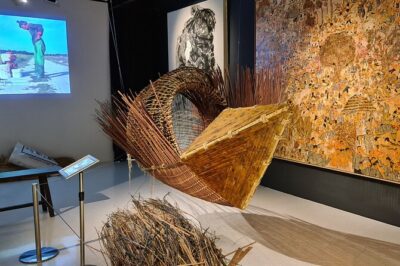
Quirky Art Museum called Ur-Mu in Bukit Bintang, KL
Read our review →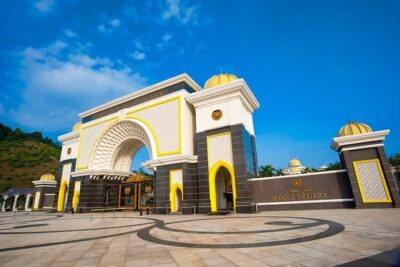
Best of Kuala Lumpur City Tour Including National Museum and National Monument
Read our review →

George Town Highlights & Upside Down Museum tours (4 Hours)
Read our review →
Treasures Of The Far East-Malacca, Museum, Trishaw Ride(Private)
Read our review →
Islamic Arts Museum Admission with Kuala Lumpur Famous Landmarks
Read our review →Browse the lists this tour appears in